






January 26, 2026 · Antipolo City Mayor Jun Jun Ynares III has formally asked DENRPH Laws & FrameworksDepartment of Environment and Natural Resources (DENR)The Philippine executive department managing forests, protected areas, mining permits, and pollution control. It is the primary regulatory counterparty for environmental compliance, natural capital valuation, and the issuance of permits governing resource extraction and land-use changes.Read more in the Glossary → Secretary Raphael Lotilla and Vena Group Philippines Country Head Samrinder Nehria to reconsider the placement of proposed wind turbines in Rizal’s karstLocal Climate & EcologyKarst landscapeTopography formed from the dissolution of soluble rocks like limestone, characterized by sinkholes, caves, and complex subterranean aquifers.Read more in the Glossary → landscapes by Rizal Wind Energy Corporation (RWEC), a Vena Group subsidiary.
The karst landscapes are located within the Masungi Georeserve, a globally renowned conservation site within the Rizal area.
In letters dated January 13, 2026, Mayor Ynares highlighted the vital role of these forests, watersheds, and unique karst formations as they “help mitigate flooding, prevent landslides, and address water shortages.” He warned that the turbine sites “may be situated” in environmentally sensitive karst areas that are fragile and require protection, and that construction in these zones could threaten long-term environmental stability and public safety.
“Construction activities in such locations may present challenges that merit further review to ensure long-term environmental stability and project safety.”
The big picture
The mayor’s intervention provides significant momentum to a November 2025 petition signed by the Protect Sierra Madre and Masungi Coalition, made up of 52 environmental organizations, scientists, and community members calling on DENR to reject Vena Group’s Special Area Management Plan (SAPA) application.
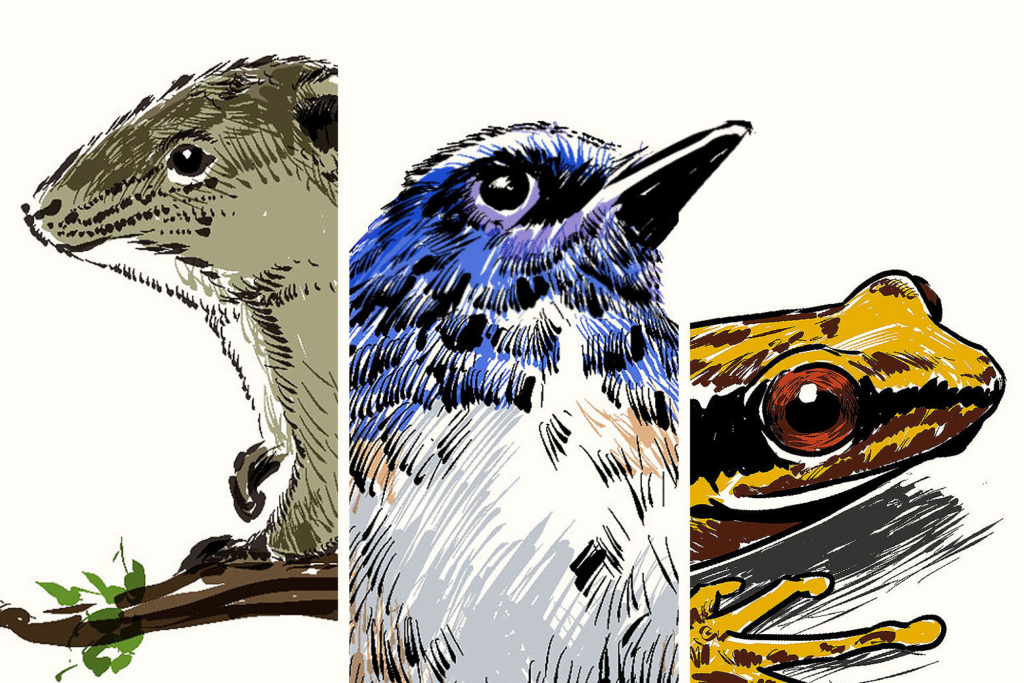
Mayor Ynares’s position is the first official stance from a local government official on the controversial project. The proposed wind farm would directly affect 553 hectares of land within Masungi Georeserve’s Karst Conservation Area (MKCA), part of Proclamation 1636 National Park, which shelters at least 43 endangered and threatened species.
After the letters signed by Mayor Ynares were published, Vena Energy released a press statement that stated, “Vena Energy reiterated a commitment it first made public in February 2024: it is not building wind turbines in karst areas. According to the company, this stance has not shifted, reflecting a broader philosophy that clean energy development should not come at the expense of fragile ecosystems.”
“Behind the scenes, renewable energyGlobal EssentialsRenewable energyEnergy derived from naturally replenishing sources (solar, wind, geothermal, hydro).Read more in the Glossary → projects operate within a tightly regulated framework, and Vena Energy emphasizes that its activities are grounded in compliance. The company has secured all required permits and clearances, including an Environmental Compliance CertificatePH Laws & FrameworksEnvironmental Compliance Certificate (ECC)A mandatory legal document issued by the DENR-EMB certifying that a proposed project has undergone an Environmental Impact Assessment and committed to an Environmental Management Plan. It is a critical gating item for project financing, land acquisition, and operational licensing in the Philippines.Read more in the Glossary → from the Department of Environment and Natural Resources, as well as Free Prior and Informed Consent from affected indigenous communitiesLocal Climate & EcologyIndigenous peoples & ancestral domainCommunities with continuous historical occupation of territories, recognized under the Indigenous Peoples' Rights Act (IPRA).Read more in the Glossary →.”
The Protect Sierra Madre and Masungi Coalition has since released supplementary materials, including a map based on the coordinates in Rizal Wind Energy Corporation’s Environmental Compliance Certificate (ECC), granted by the DENR on May 29, 2020. It shows how the ridges (mountainous areas where wind turbines are ideally installed) overlap with the protected landscape.

So what?
Located in Baras, Rizal, Masungi Georeserve is an award-winning geotourism site that began as a restoration project spanning 400 hectares of barren land.
To date, the project has garnered over 10 global recognitions, establishing itself as a world-class model for nature-based solutionsGlobal EssentialsNature-based solutions (NbS)Actions to protect, sustainably manage, and restore natural or modified ecosystems to address societal challenges (e.g., using wetlands for flood control).Read more in the Glossary →, including the United Nations’ Sustainable Development Goals (UN SDG) Action Award 2022 and the International Union for Conservation of Nature (IUCN) Luc Hoffmann Award in 2021.
Most importantly, Masungi Georeserve is situated within the Upper Marikina River Basin Protected Landscape, a 26,000-hectare area that serves as the area’s primary catch basin for rainfall.
What now?
Vena Energy has yet to confirm whether its site plan remains the same as the one granted in the ECC in 2020.
This is a developing story.
Sustina is among the 52 organizations that signed the petition. Sustina Executive Director Anna Reyes serves as the secretariat of the Upper Marikina Watershed Coalition.