The Landscape
The news landscape, that is. We track what’s shifting in Philippine sustainability—the regulations gaining teeth, the industries making moves, the fights worth watching—and the outcomes happening beyond the announcement.

New Clark City is hosting an “AI hub” under the Pax Silica program, a U.S.-led international coalition.
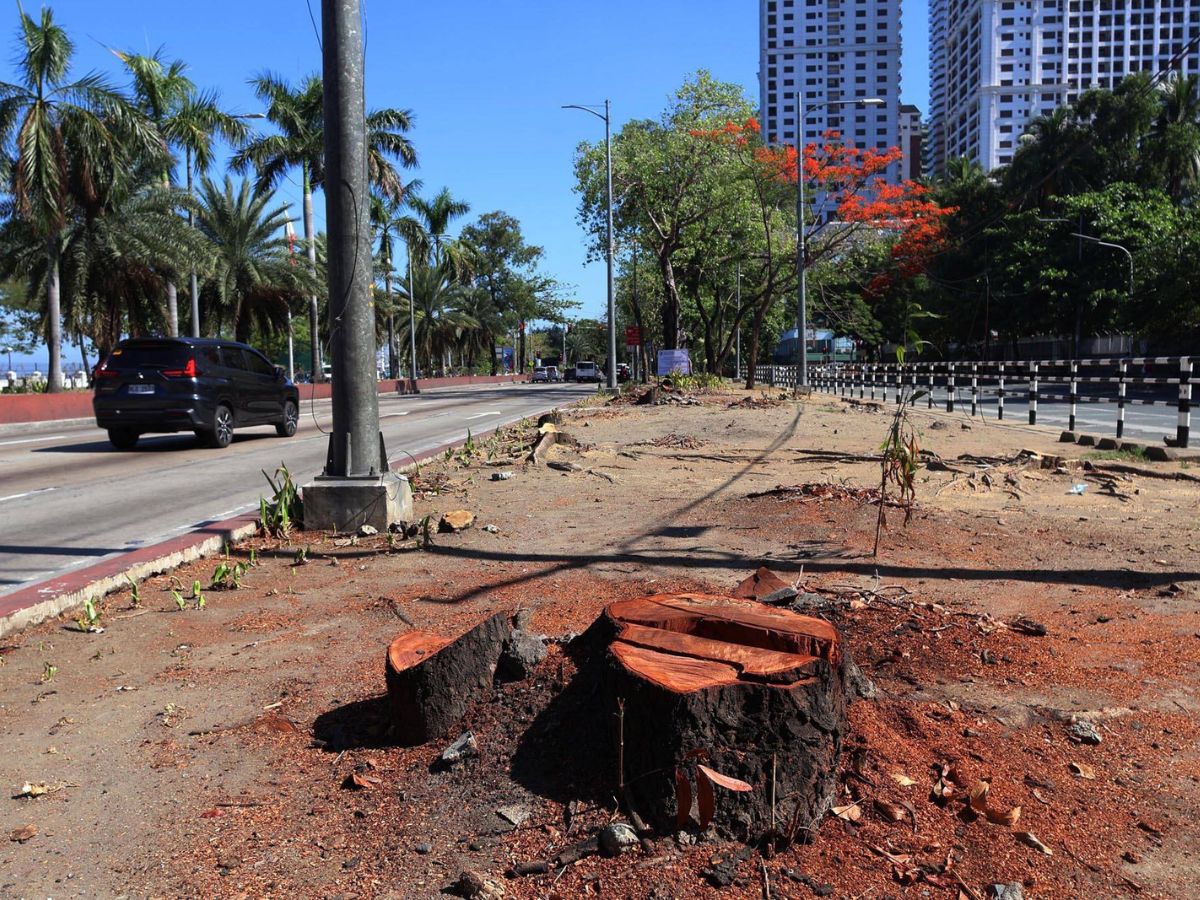
Sustainability and environment experts weigh in on the costs and challenges of replanting trees.

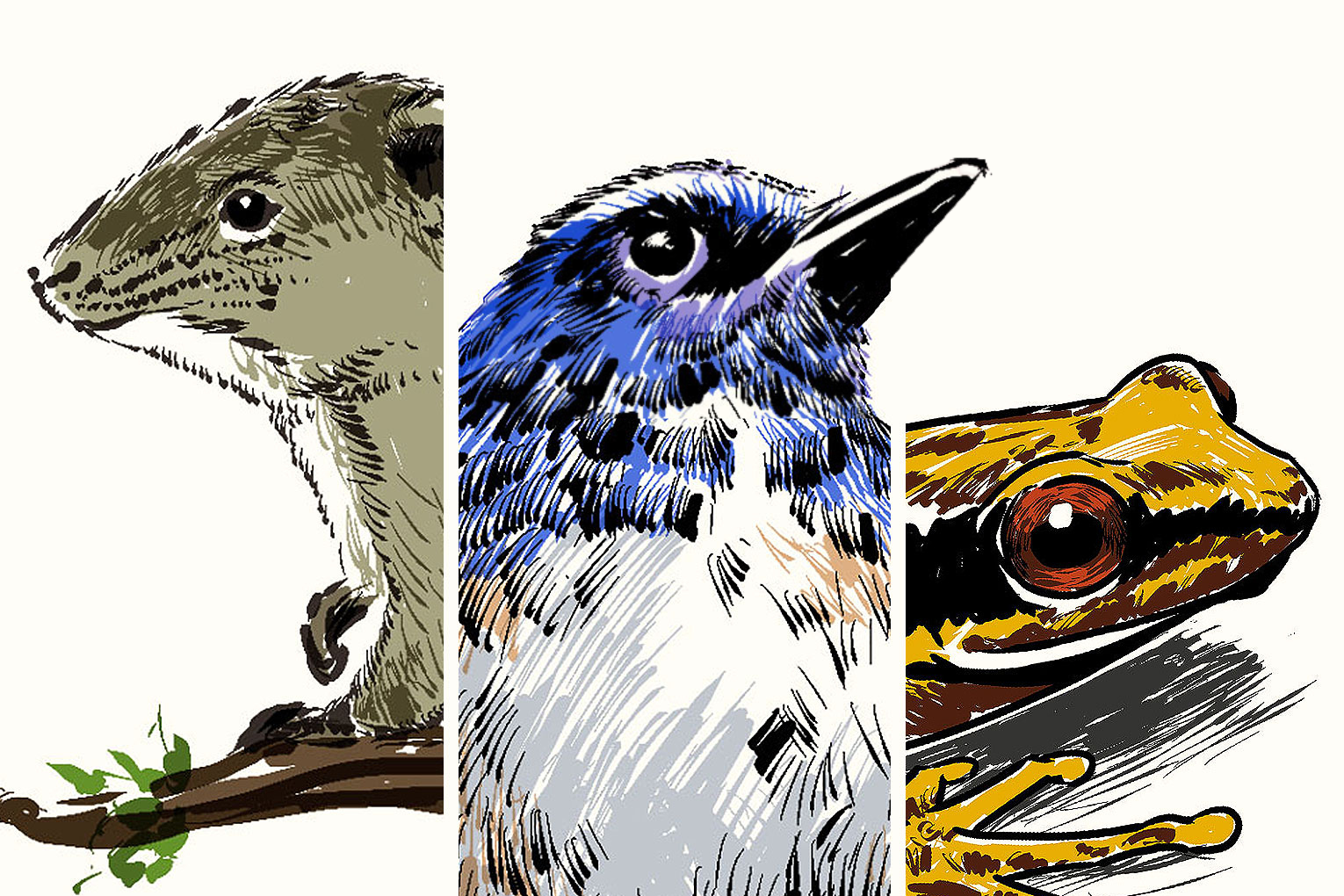
‘Lost species’ have been rediscovered in the Philippines—including one that hasn’t been seen in 130 years.

This move from BSP is aligned with the Securities and Exchange Commission’s disclosure for publicly listed companies.
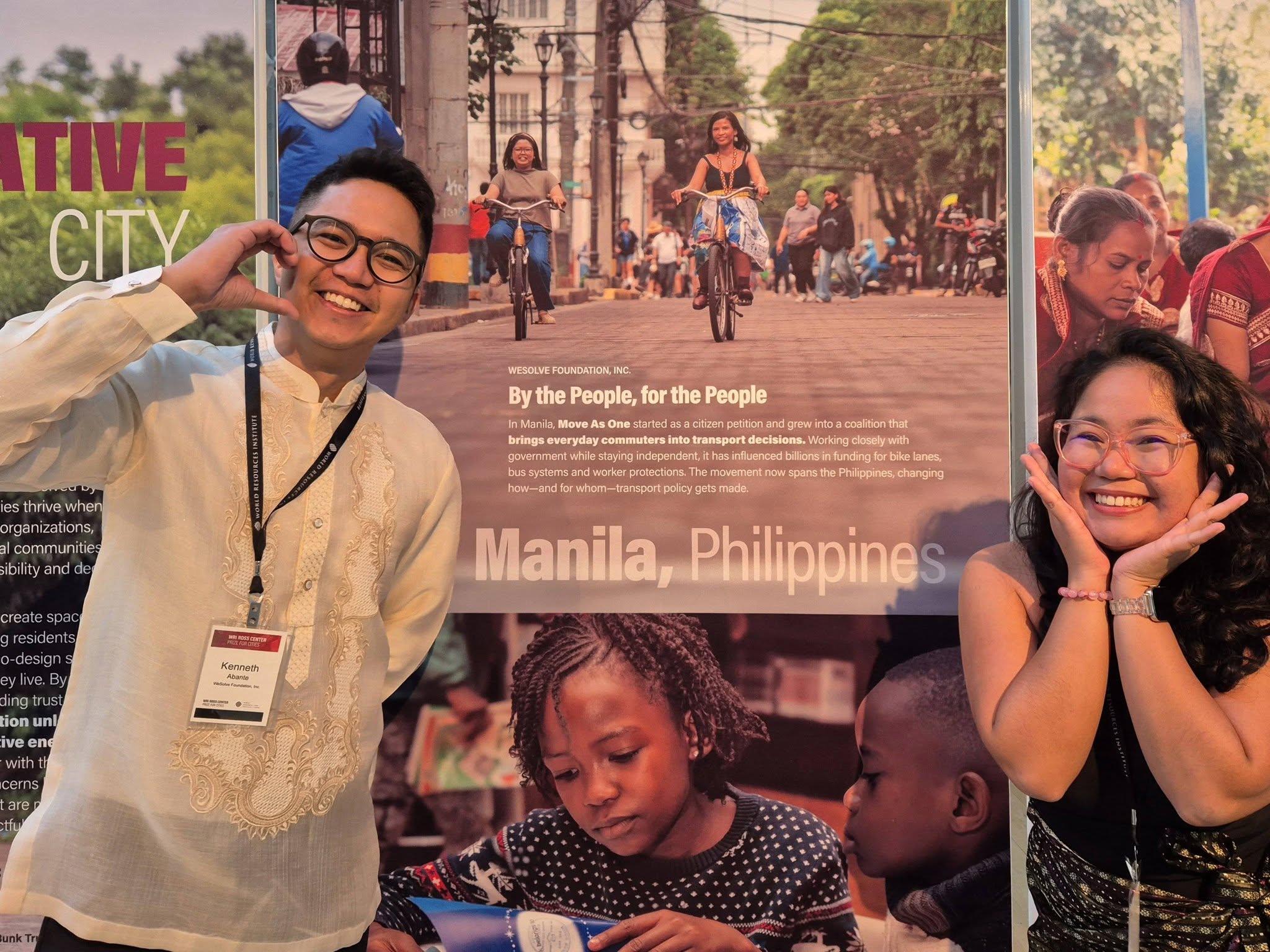
‘A commuter and pedestrian-friendly Philippines is one where streets are designed for people, not just cars.’
Liguasan Marsh is home to diverse fauna and flora and is considered an ‘important bird and biodiversity area.’ It also contains significant volume of untapped oil and gas.
Corporate foundation leaders gathered to discuss the role of CSR in today’s changing landscape, amid rising social and environmental challenges.
The World Top 2% list features some of the most prominent researchers globally, spanning across 22 fields and 174 sub-fields of research.
The petition calls on the Philippine government to propose the South China Sea as a Marine Protected Area under the BBNJ Treaty.
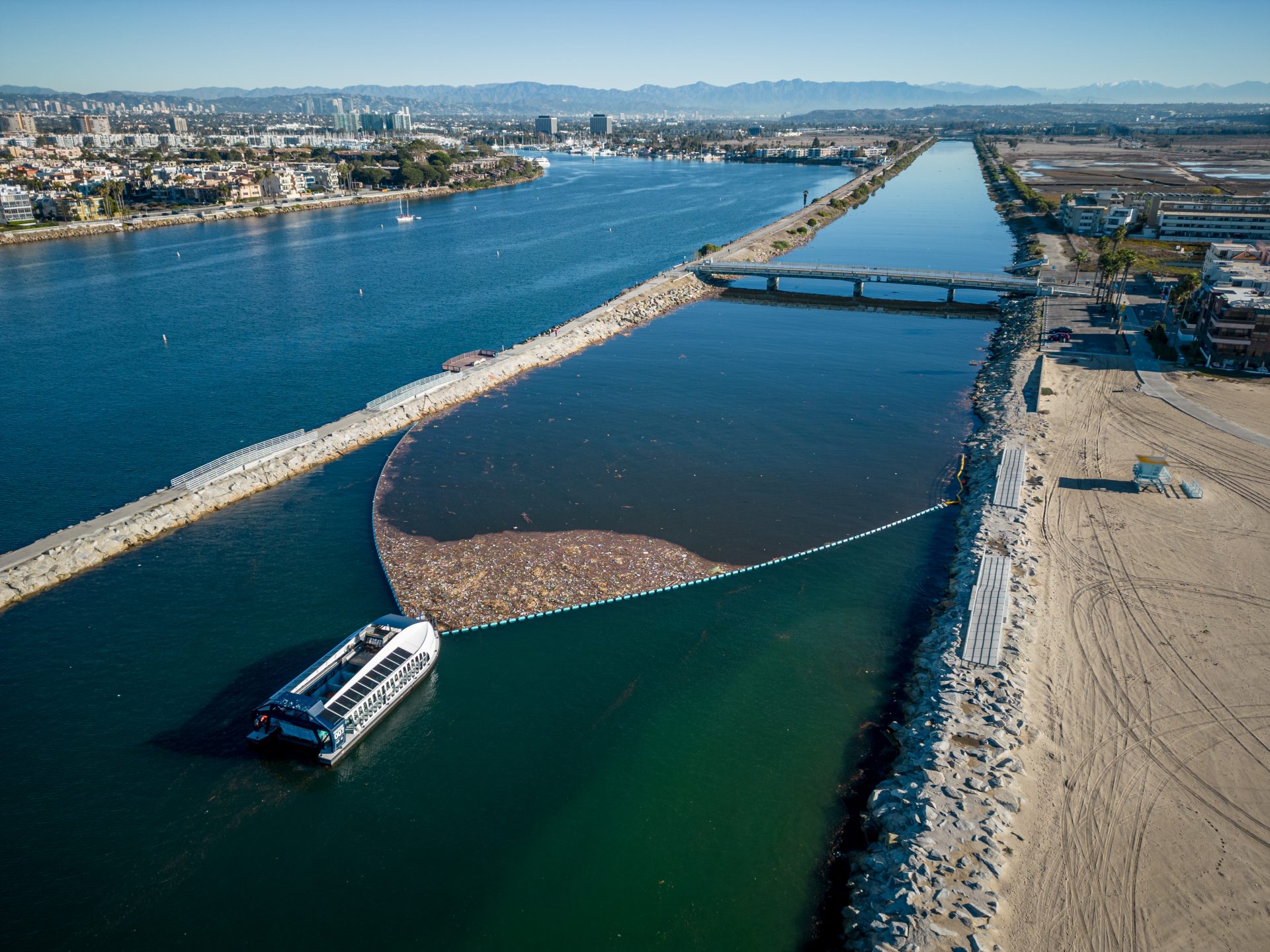
The global nonprofit is committed to stop plastic waste from entering Manila Bay, starting with the Meycauayan River.
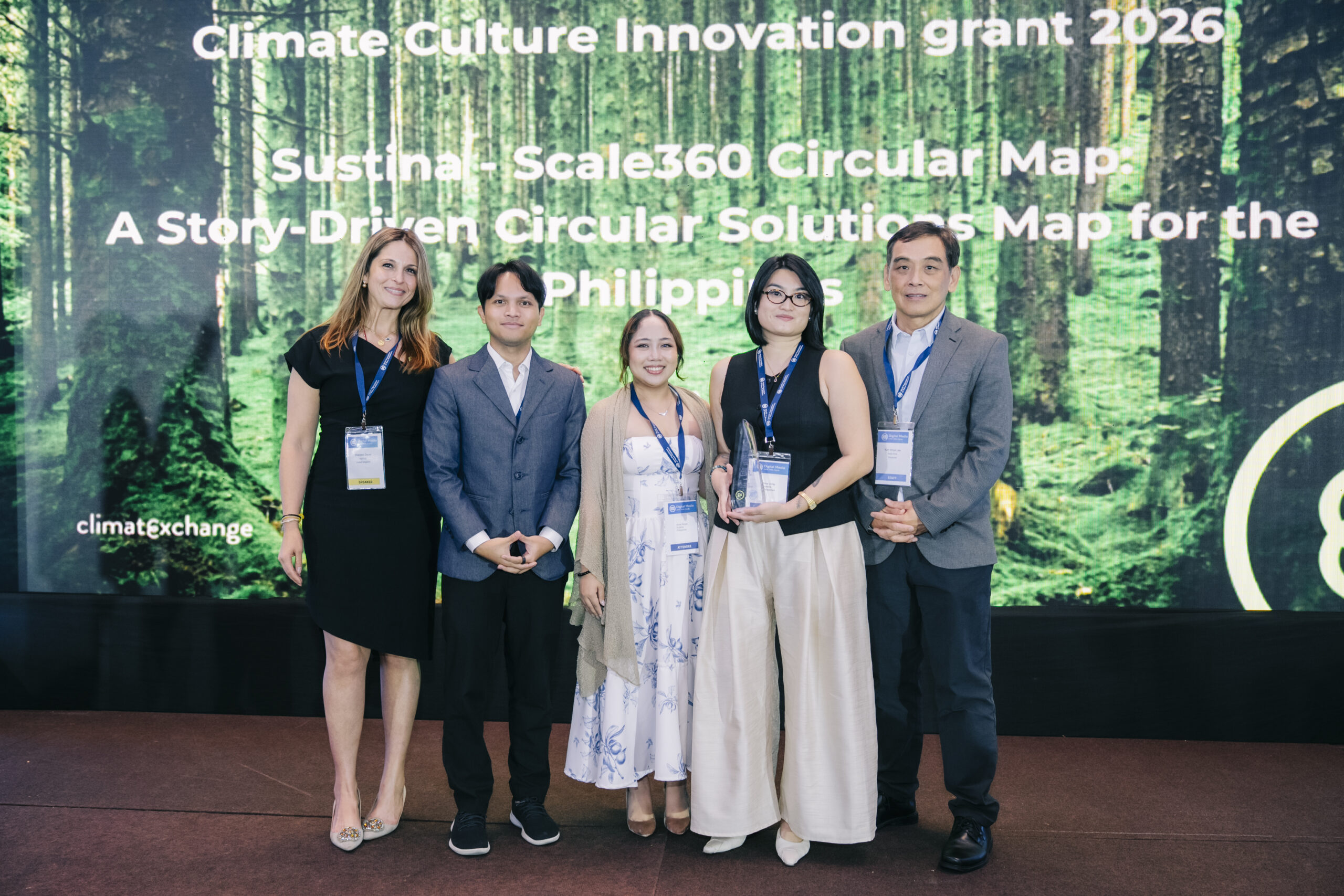
The grant supports Sustina’s upcoming Circular Solutions Map, powered by Circulo, the country’s pioneering circular economy movement.
EHydroLab says it assessed only two river basins, relied on public datasets, and received design information directly from the developer.
The area encompass some of the most biodiverse marine ecosystems, including the Coral Triangle which is home to 76% of all known coral species.
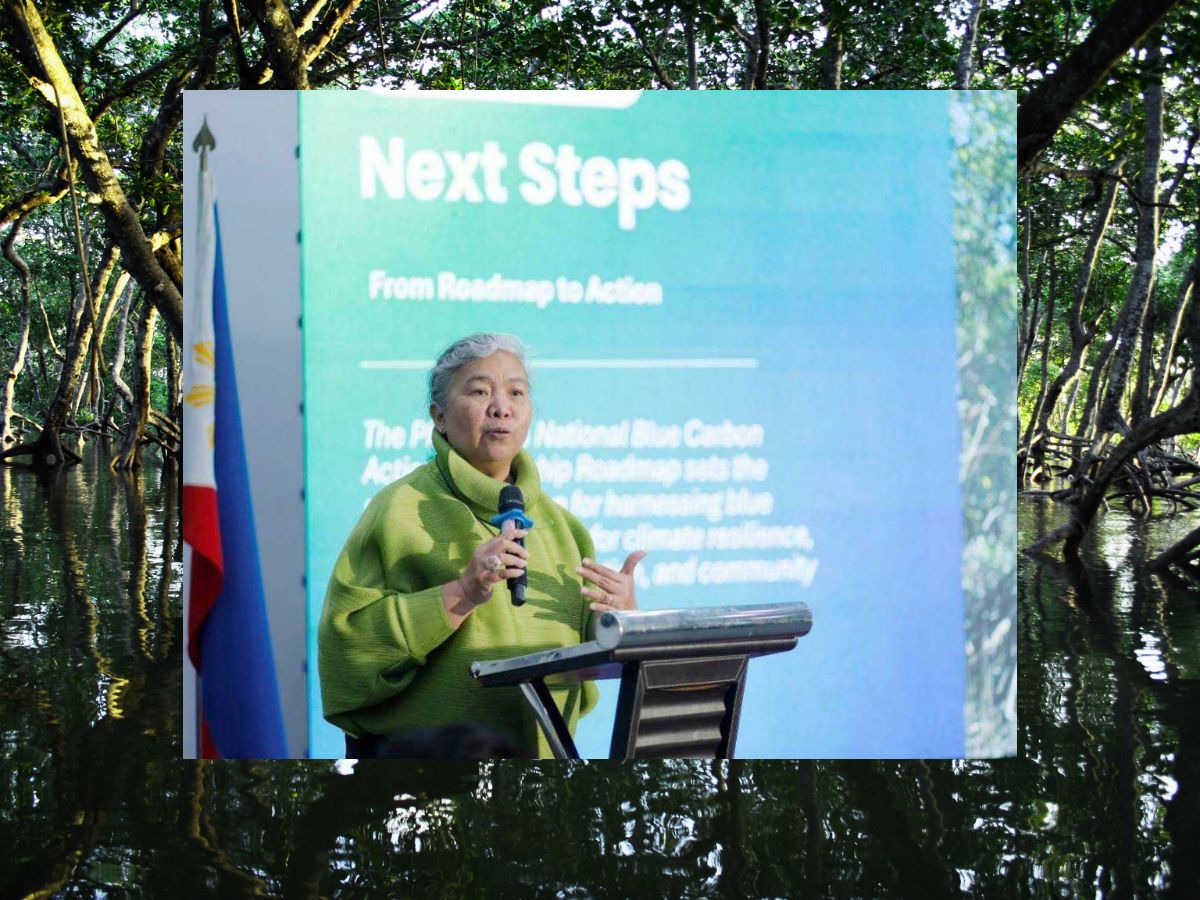
Scientists believe that blue carbon projects could be a ‘game-changer for mangrove conservation and restoration in the country.’