




May 13, 2026 · By 7:00 or 8:00 a.m., while the rest of the country settles into office chairs or opens doors to shops, a workforce is already deep inside the day’s most unappreciated labor.
The garbage collectors, waste workers, and recyclers trudging through the morning rush, shoulder-to-shoulder with the commute, confronting the raw reality of our consumption. Estimates suggest that over 100,000 Filipinos rely on waste work for their livelihoods. They are the quiet spine of a system—yet the very system that depends on them denies them formal recognition, social protection, and enforceable rights.
The Philippines now has a chance to address that gap by enacting the Magna Carta for Waste Workers (Senate Bill No. 2636, refiled in the 20th Congress). Originally a proposal forwarded by the Philippine Waste Workers Alliance (PNWWA), the call reflects demands articulated by the waste workers themselves: to recognize waste work as legitimate, professional labor that demands more than just token gratitude.
To appreciate the urgency of this bill, one must look at the day-to-day reality of our waste workers. Despite years of campaigning, our current waste management system still fails to ensure segregation at the source.
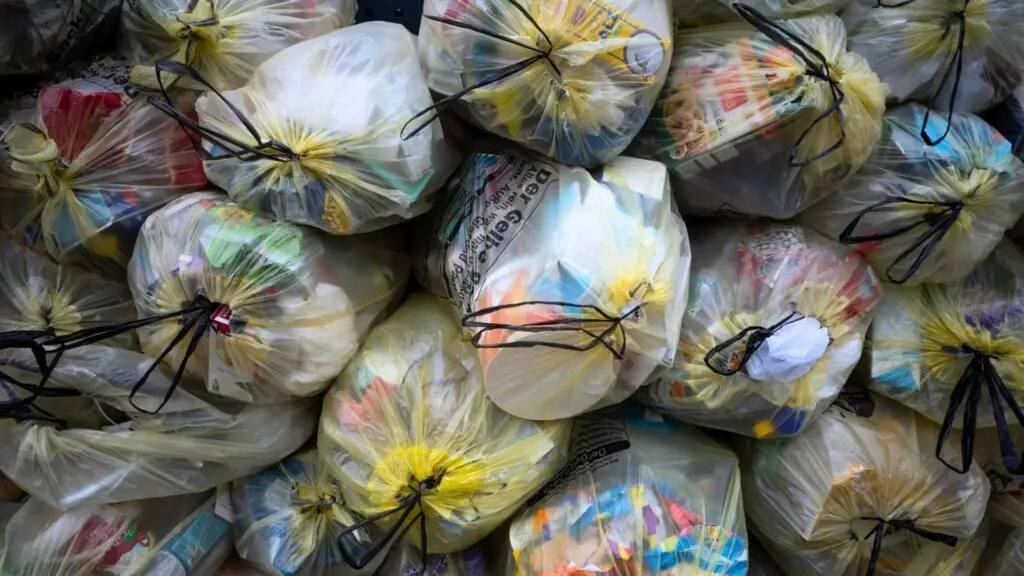
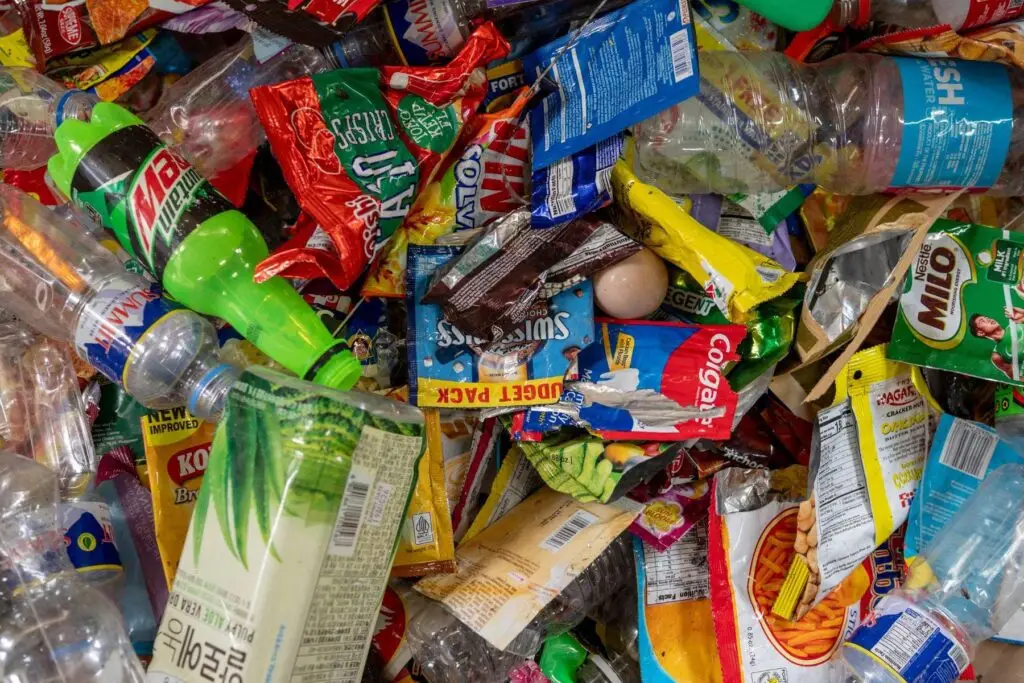
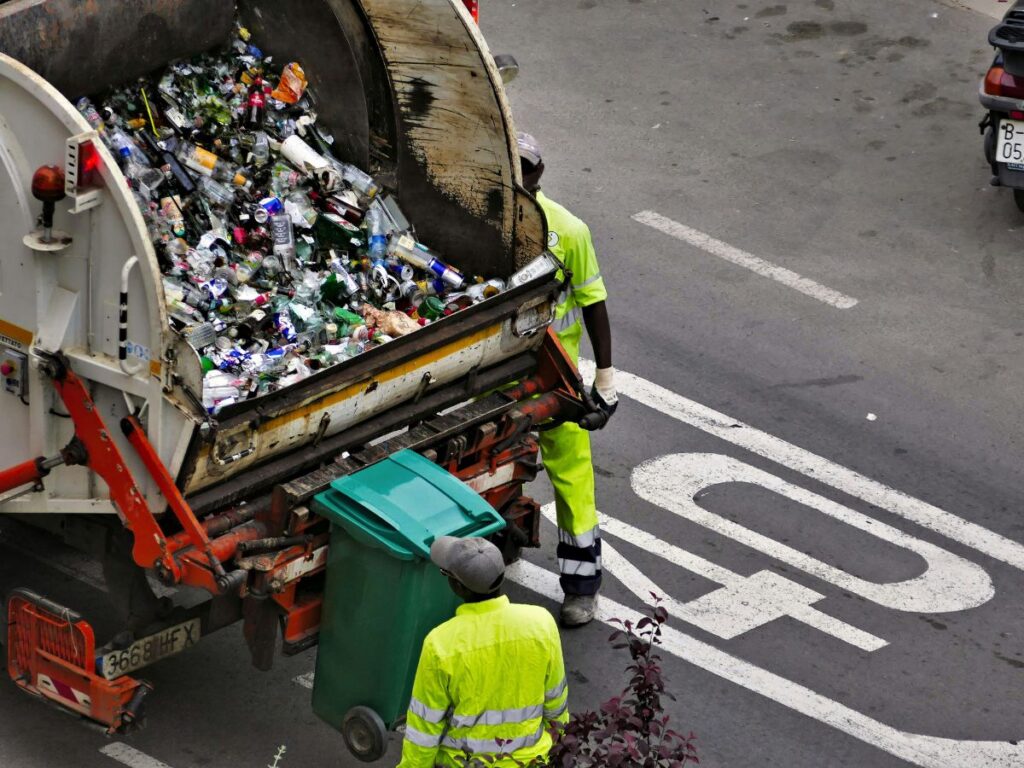
When a waste worker reaches into a bag, they are not just looking for recyclables; they must contend with a hazardous, unsanitary slurry of modern life. Their hands scan through used diapers, soiled sanitary pads, and pet waste. They risk cuts from broken glass and exposure to toxic chemical residues, often without even the bare minimum of personal protective equipment.
These are not merely “unpleasant” circumstances; they are severe occupational hazards that contribute to chronic respiratory diseases, infections, and sometimes even death. These conditions would be unacceptable in other formal occupations, but waste workers are expected to endure them without enforceable safety precautions.
Their vulnerability becomes more visible when the weaknesses of the current waste management system is exposed. We saw this in Binaliw, Cebu, in early 2026, when a massive landfillLocal Climate & EcologySanitary landfill vs open dumpsiteEngineered waste disposal facilities designed with liners and leachate management (sanitary) versus unregulated, uncontained waste piles (open dumps).Read more in the Glossary → landslide buried workers beneath tonnes of debris, a tragedy that turned a workplace into a graveyard. We saw it again in Navotas three months after, where a landfill fire burned for days. While some people can stay indoors to avoid the toxic haze, waste workers and their families had no such luxury.
Waste workers remain on the frontlines, breathing in toxic fumes and particulate matter from the smoldering waste; their continued exposure highlights the faults in a system that relies on their labor but offers no safeguards for their lives.
That is the irony. Waste workers are our biggest line of defense against the waste crisis. But they operate in the informal economy with no legal safety nets. They are “frontline environmental workers” in the language of global sustainabilityGlobal EssentialsSustainabilitySustainability is the ability to manage and use resources to meet present needs without compromising future generations. It can be examined through environmental, economic, or societal lenses. These are the…Read more in the Glossary →. But in reality, they are ignored by the policies that govern our cities.
But recognizing their role also means being honest about the limits of the system they are working in.
Recycling is not a solution to the root of the problem. We cannot recycle our way out of the plastic crisis, nor treat recycling as a silver bullet while production continues to rise unchecked. What we need is a zero-wasteCircular Design & EconomyZero wasteA systemic design goal aiming to eliminate the concept of waste by ensuring all materials are reused, recycled, or composted, preventing trash from entering landfills or the natural environmentRead more in the Glossary → approach that reduces waste at the source and makes producers accountable for the materials they introduce into the economy. Recycling alone is a stopgap within a system that is structurally overproducing waste.
When this reality is ignored, governments turn to “quick fixes.” False solutions like waste-to-energyCircular Design & EconomyWaste-to-energy (WTE)Technologies that convert municipal solid waste into electricity or heat, typically through incineration or gasification.Read more in the Glossary → (WTE) incinerationPH Laws & FrameworksThe Clean Air Act (RA 8749)Enacted in 1999, the Philippine statutory prohibition against the burning of municipal, biomedical, and hazardous waste.Read more in the Glossary → not only fail to address the root cause of the problem, they also threaten the livelihood of waste workers who are already delivering real solutions on the ground. (Read: Why is DOE pushing for a waste-to-energy exemption?)
Waste workers are a crucial part of what a true zero waste system looks like. Through their daily work, they are doing the heavy lifting of climate action. By diverting organic waste from landfills, they prevent the production of methaneGlobal EssentialsMethaneA potent, short-lived greenhouse gas with a global warming potential significantly higher than CO2 over a 20-year horizon.Read more in the Glossary →, a greenhouse gasGlobal EssentialsGreenhouse gases (GHGs)Atmospheric gases (primarily CO2, methane, nitrous oxide) that absorb and emit radiant energy, driving the greenhouse effect.Read more in the Glossary → far more potent than carbon dioxide. They are climate champions not because the linear “take-make-waste” model works, but because their labor compensates for its failings.
The Magna Carta for Waste Workers seeks to address this injustice by building a comprehensive rights framework. It demands fair pay, hazard pay, and the basic right to organize. It asks that waste workers be represented at the table in waste management discussions, because policy should be made with the people who live with its impact. Beyond labor rights, it demands social protection—including healthcare, vaccinations, and housing—so that the sector is no longer discarded when the next fire or landfill occurs.
As we move towards an environmentally just future, we cannot build on the backs of unprotected labor.
From the demolition of communities like Smokey Mountain in Manila to the landslides in Binaliw, history shows that modernization often comes at the cost of the underprivileged. We must ensure that “progress” does not mean the displacement of the people who have sustained our recovery system for decades.
When you see a waste worker, remember that they are managing the hazards we refuse to sort ourselves. Enacting the Magna Carta for Waste Workers is our opportunity to ensure that the people who keep our nation clean are finally given the protection, recognition, and respect they deserve. Waste workers are not peripheral to waste management; they are central to it. Any transition to zero-waste must formally integrate them as workers, partners, and leaders.
Dan Abril is currently GAIA Asia Pacific Communications Officer. GAIA’s mission is to catalyze a global shift towards environmental justice by strengthening grassroots social movements that advance solutions to waste and pollution.