






May 19, 2026 · A local youth-led group advocating for urban mobility, the Move As One Coalition, was awarded USD 250,000 for the grand prize of the 2025–2026 WRI Ross Center Prize for Cities by The World Resources Institute (WRI).
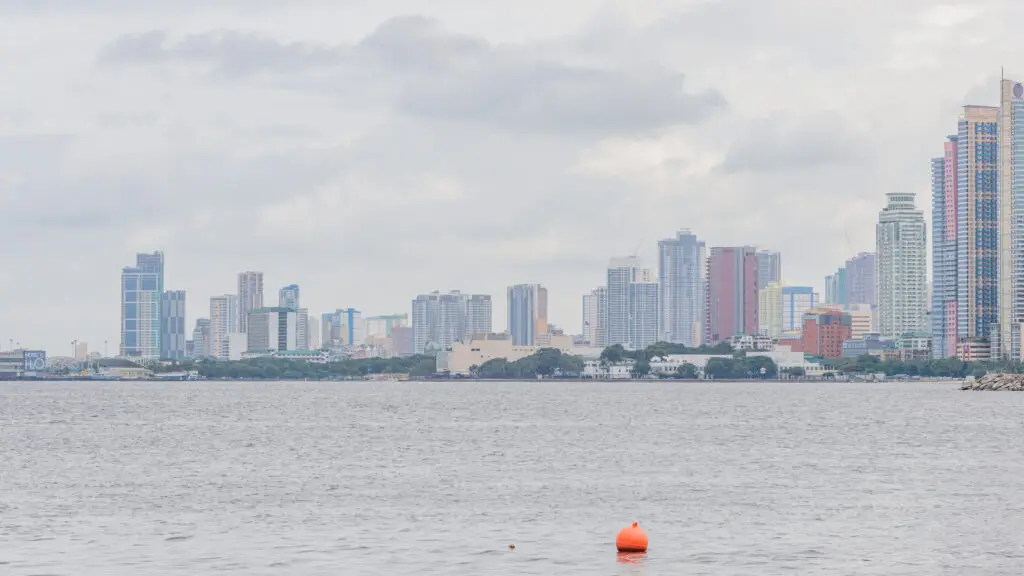
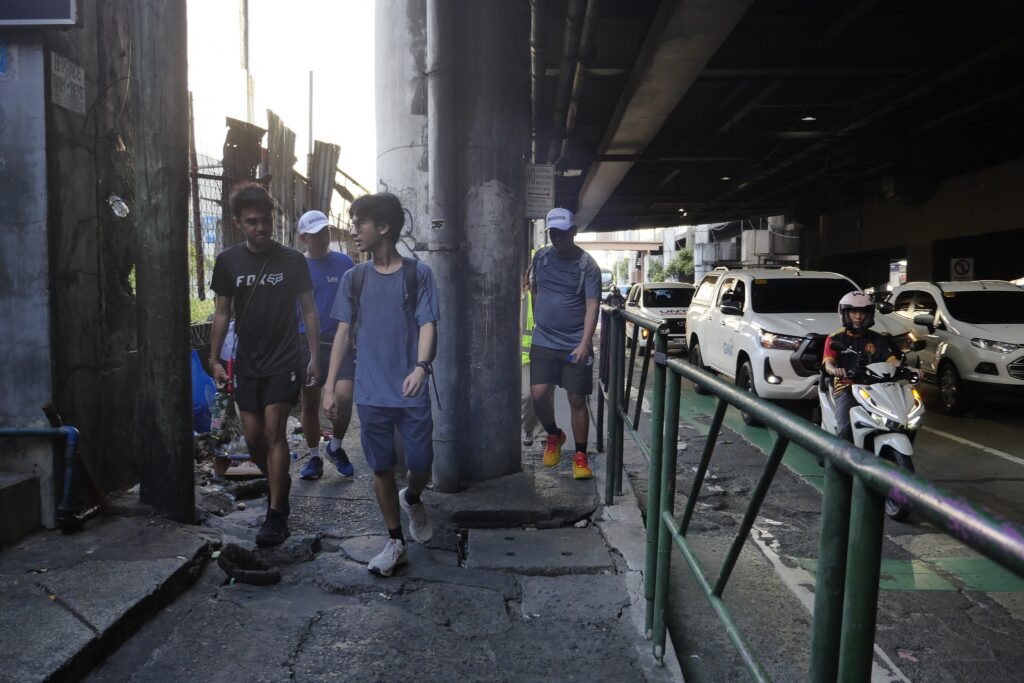
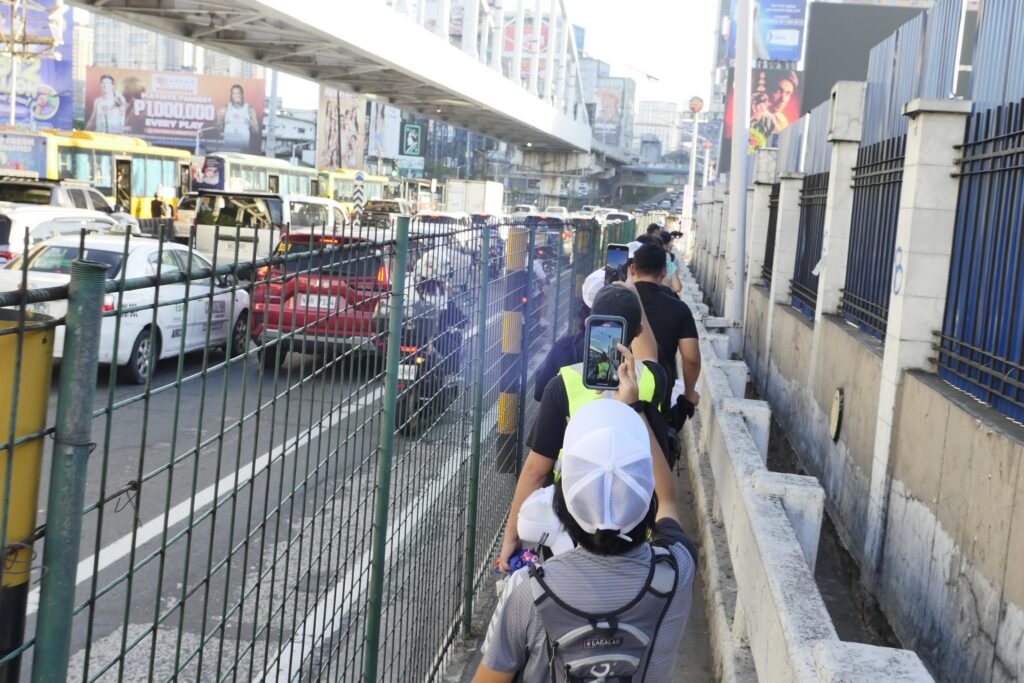
Metro Manila is among the worst cities globally in terms of traffic congestion. In 2015, Rappler reported the average motorist in Metro Manila lost 143 hours — nearly six days—to traffic.
But the award-winning Move As One Coalition believes it’s possible to transform the local transportation system to honor people, not cars.
Global recognition, local reform
Move As One Coalition was recognized by WRI for its work in transport reform across the country, mobilizing commuters and transport workers to push for change in policy, infrastructure, and overall transport culture.
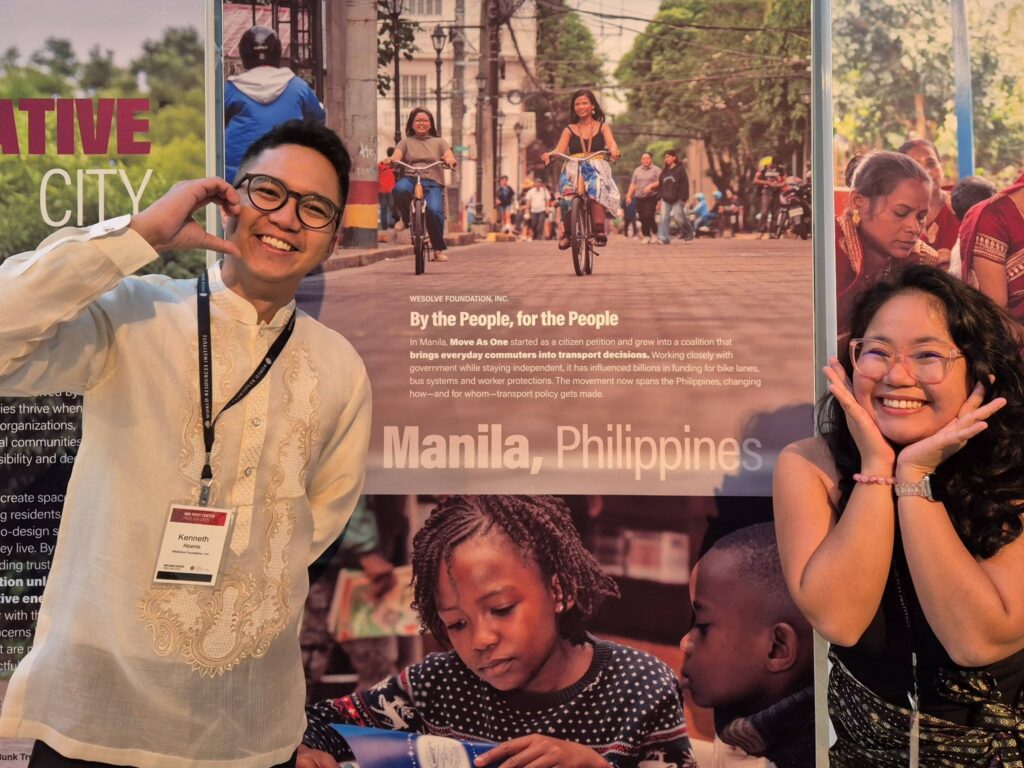
The grand prize was awarded at the historic Morgan Library & Museum in New York to Reycel Hyacenth Nacario Bendaña, National Coordinator for the Move As One Coalition, and Ken Abante, Former Coordinator.
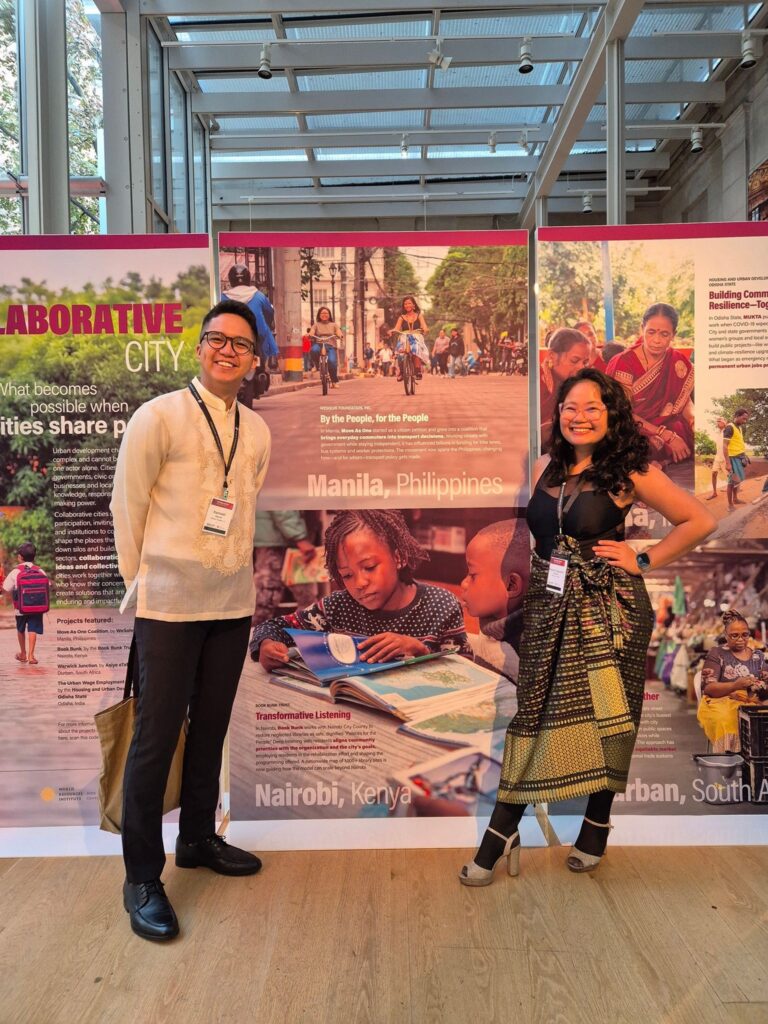
The 2025-2026 WRI Ross Center Prize for Cities centered on the theme “Catalyzing Healthy Cities.” It put the spotlight on projects that improve health and well-being by making nature, mobility, and essential services more accessible for all. The competition drew 334 submissions from 230 cities across 77 countries this year, highlighting a surge of new approaches to urban challenges around the world.
Changing minds, systems, and hearts
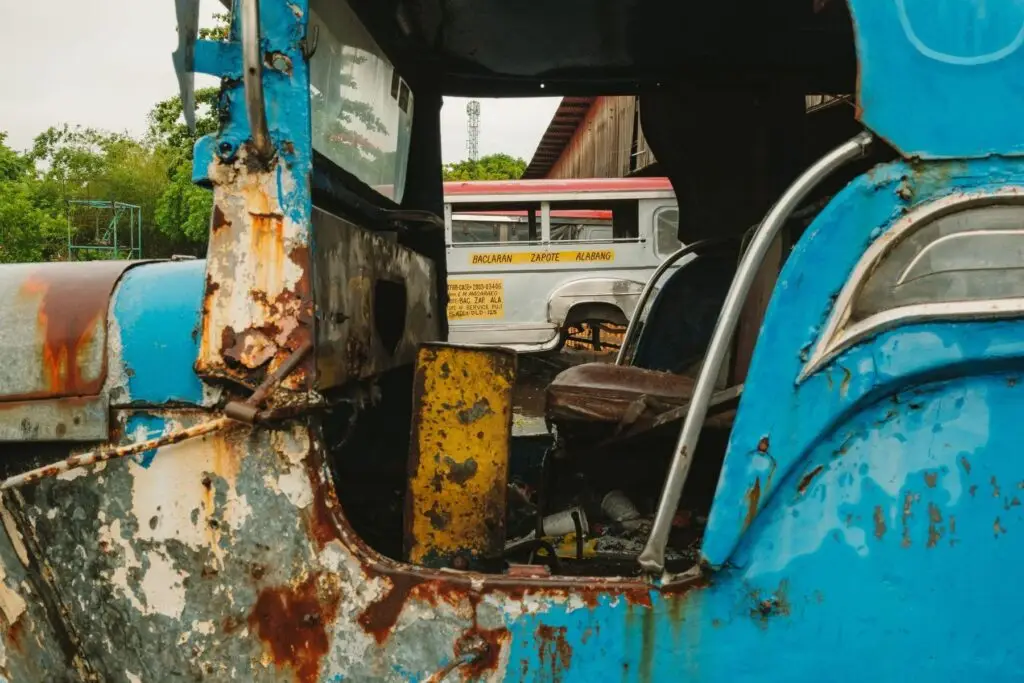
Move As One Coalition was formed in 2020 at the height of the pandemic in response to the public transport crisis that left thousands of jeepneyFilipino DictionaryJeepneyA passenger vehicle patterned after U.S. military jeeps from World War II. Jeepneys are a popular and affordable mode of transportation in the Philippines.Read more in the Glossary → drivers with no income, and essential workers with no means of transportation. Since its founding, it has influenced reform by putting people, not cars, back at the center of transportation policy. Their work includes securing nearly USD 1 billion in public transport investment, launching the country’s first bus rapid transit system, helping establish over 800 miles of bike lanes, improving worker pay and protections, and more.
What does it take to change transportation in the Philippines when traffic via cars and hours-long commute are all that Filipinos know? Hyacenth Bendaña, National Coordinator for the Move As One Coalition, believes it lies in changing three things: minds, systems, and hearts.
“Karamihan ng Pilipino, tinanggap na ang sistema natin. Aalis nang maaga para di malate sa trabaho, maglalagay ng three-hour buffer time sa meetups in case matrapik. Kumbaga we [kind of] resigned that traffic in Metro Manila is impossible to solve. Kaya ang pangarap ng isang ordinaryong Pilipino ay one day magka-kotse. Kasi ipit ka man sa traffic, at least komportable ka,” she said.
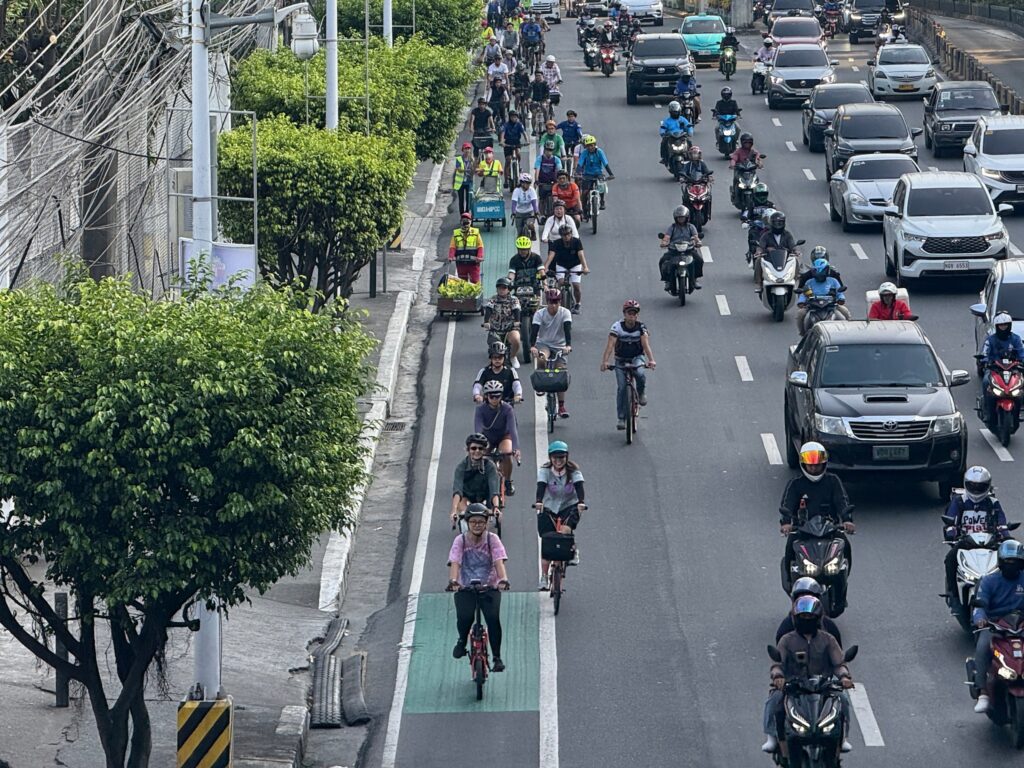
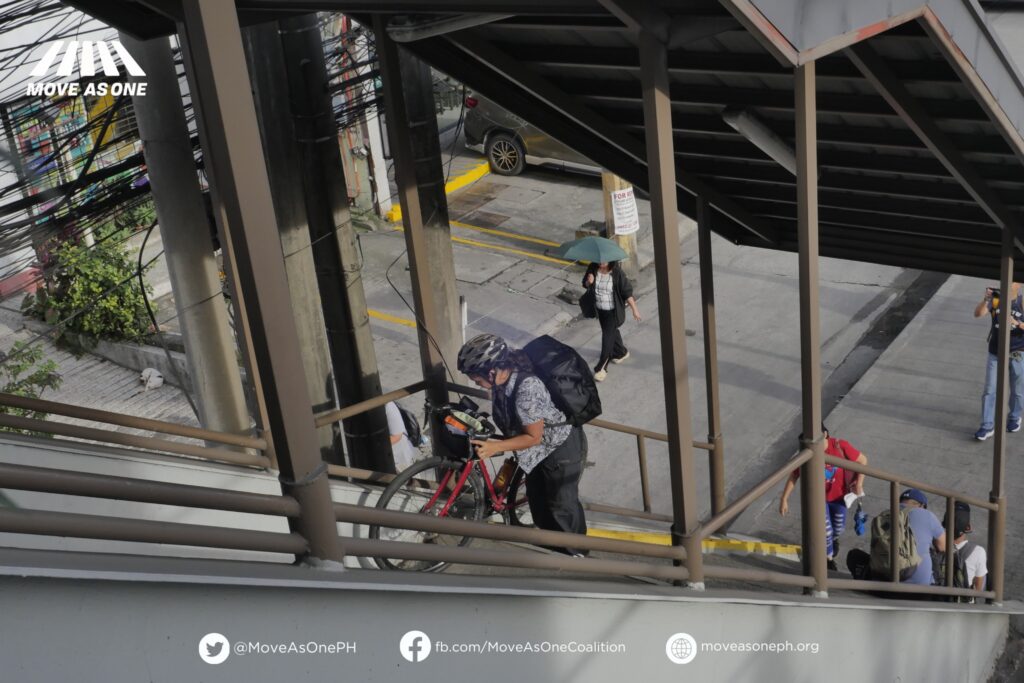
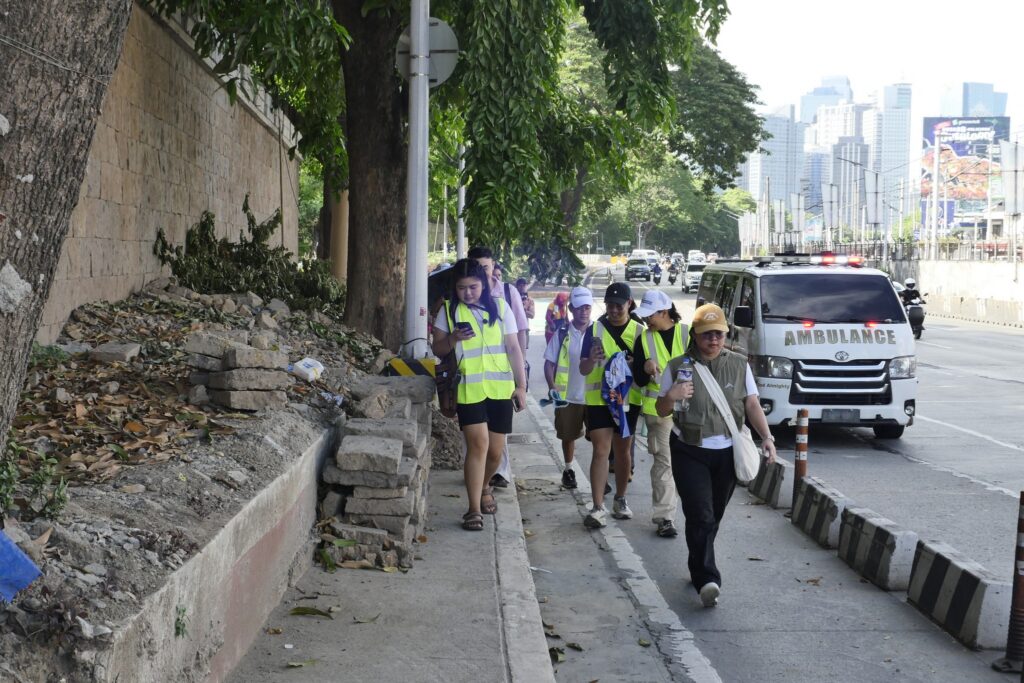
Bendaña stressed that a big part of reform is to shift mindsets—to challenge the current narrative and replace it with a more empowering one. “That we deserve better. Na hindi kailangan ‘hard mode’ ang Pilipinas.”
Instead of Filipinos adjusting their finances to take loans and buy a car like the 6% of the population, Bendaña emphasized that we should demand systems that work for the 94% who commute, walk, or bike to get to their destinations.
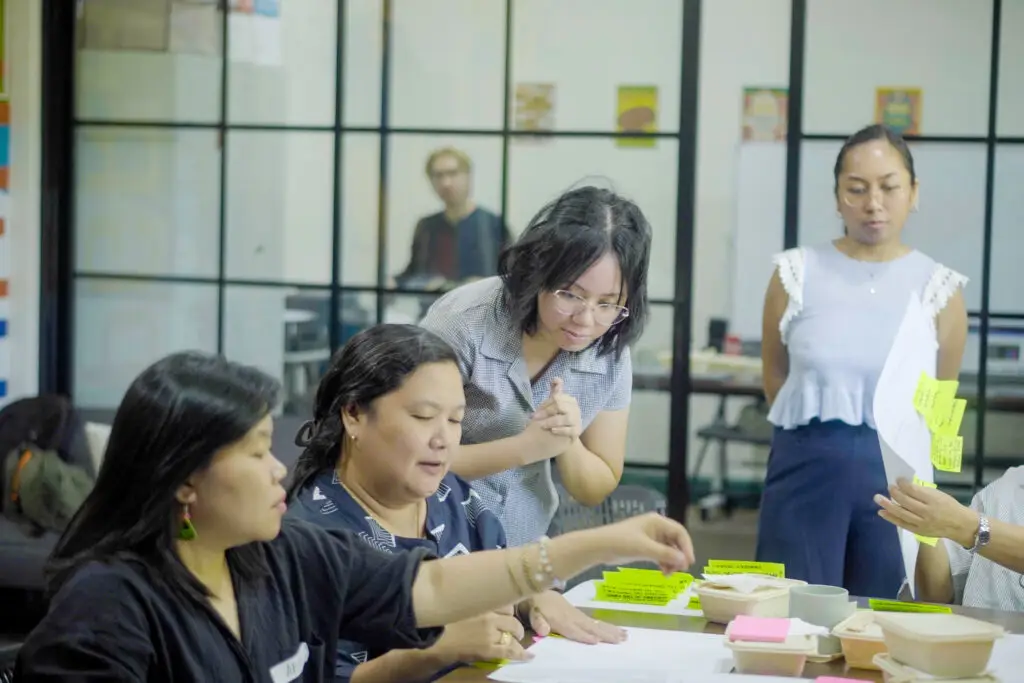
“Reforms are hard-won,” Bendaña underscored. “The larger part of transport reform is really convening commuters, workers, cyclists, pedestrians, healthcare workers, persons with disabilities, youth groups, and other grassroots communities and making them believe long enough in our potential that they’ll eventually see real wins.”
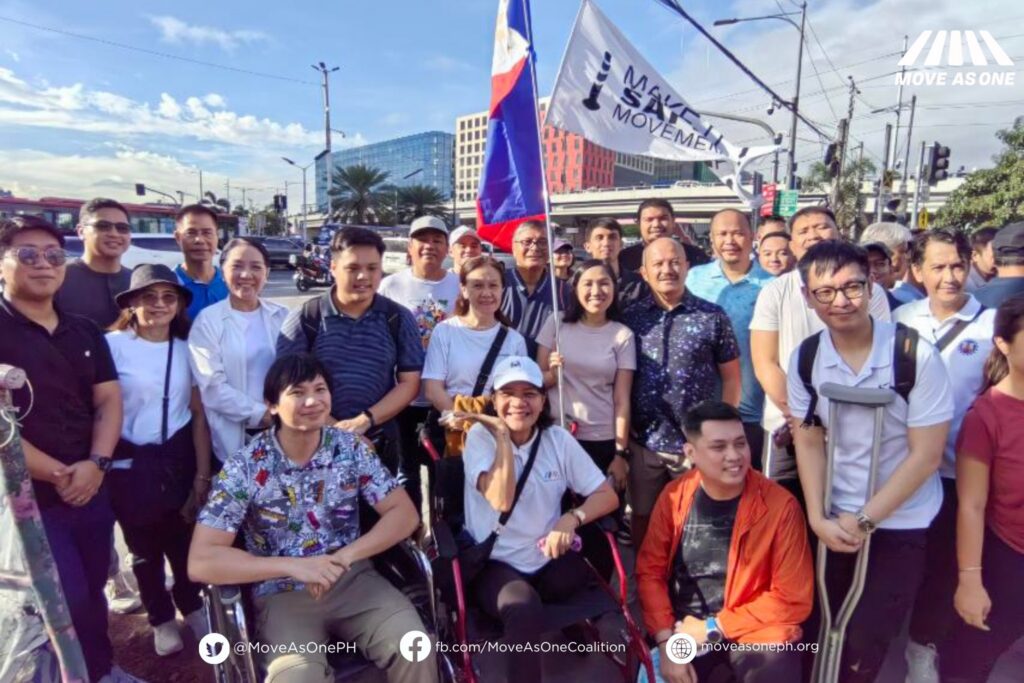
“Ang Move As One ay isa sa mga proof of concept that if sectors organize, we can lead the charge from the ground up. Kaya po natin baguhin ang sistema.”
The Move As One vision for a commuter- and pedestrian-friendly Philippines:
“A commuter and pedestrian-friendly Philippines is one where streets are designed for people, not just cars.”
1. This means reallocating road space for the 94% of Filipinos who bike, commute, or walk to their destinations.
2. It also means ensuring dignity and security for transport workers through mechanisms such as service contracting, so that workers can receive a living wage while delivering reliable public transport services. A just and humane Public Transport Modernization Program must place workers at the center of the transition.
3. The measurement of transport success needs to change from vehicle throughput (how many vehicles are transported on one road) to commuter travel time and ease of access.
The real cost of reform
The voices of those most vulnerable in transportation issues are often absent in hearings. For many transit workers, losing even one day of income is too much.
“Democracy has real, material costs. Para sa madami naming mga miyembro, lalo na para sa mga transport workers natin, komyuter, at kapatid na may kapansanan… participating in congressional and senate hearings and other engagements with executive officials require taking time off.” (Read: From Binaliw to Navotas: The invisible cost of ignoring waste workers)
“Madalas unpaid leaves ang mga ito. Walang bigay na transport costs or per diem ang government when they invite sectors to participate and give input, kaya karamihan sa costs na ito ay either galing sa [Move As One] Coalition o kaya nama’y out of pocket para sa mga sektor,” she explained. “There are organizers or NGO leads who represent the grassroots communities, instead of grassroots communities self-representing.”
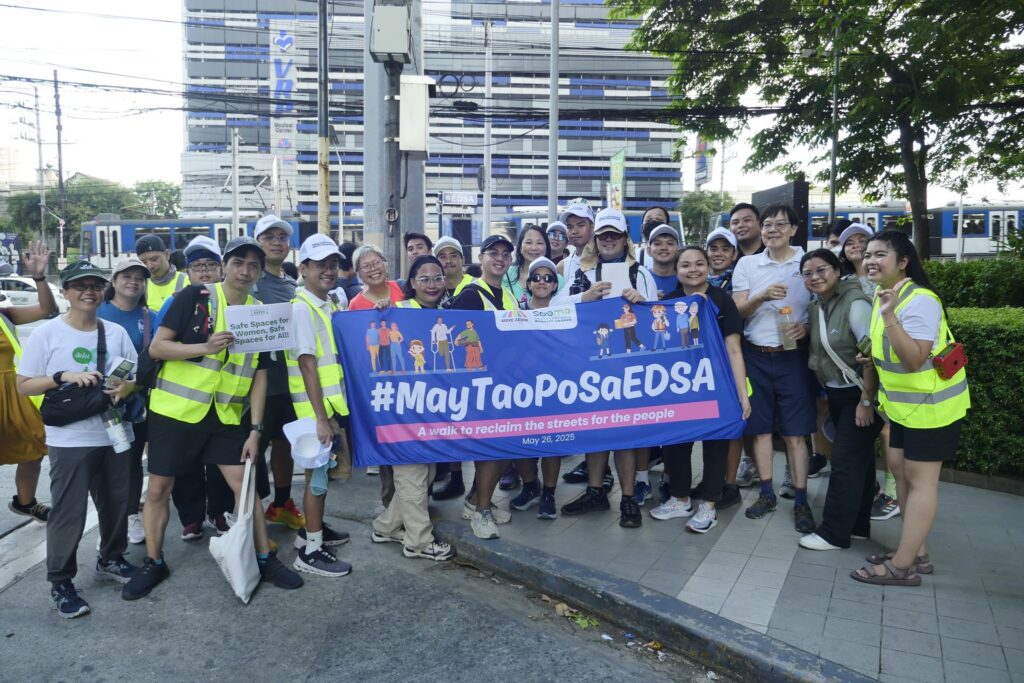
The Move As One Coalition said they will invest the grand prize of USD 250,000 in an endowment fund, with annual interest dedicated to sustain some of its core operations. “Lalo na ang continued participation ng mga sektor natin on policy processes,” Bendaña said. “In the last six years, sentro ng organizing sa Move As One ang pagfundraise at paghahanap ng material support to make sure that the choice to self-represent is available and sustainable sa mga sektor na sobrang empowered magkwento, pero hindi kaya yung gastusin.”
The annual returns from this endowment will make sure that this model of supported and decentralized participation continues sustainably over the long term.
Bendaña also shared that the fund will also serve as a contingency buffer for possible funding emergencies. “Napansin [namin] the past years, sobrang volatile na ng sitwasyon ng aids and grants sa development sector. Napakaraming organisasyon sa Pilipinas ang nagsara or nagscale down because of funding gaps.”
Beyond this, the Coalition also plans to actively grow the fund through additional fundraising efforts to ensure that the annual returns are enough to sustain a permanent secretariat in the long run. “This will enable Move As One to maintain its coordination across our 100+ member organizations and institutionalize our work in the country’s systems and processes.”