






January 12, 2026 · The Asian Development Bank (ADB) is allocating USD 500 million to support the Philippines’ “blue economy.” This will be implemented through a policy-based loan focused on protecting the country’s marine ecosystem against threats of climate and waste. The program is co-financed by Agence Française de Développement and Germany’s KfW Development Bank, each providing USD 235 million.
The big picture
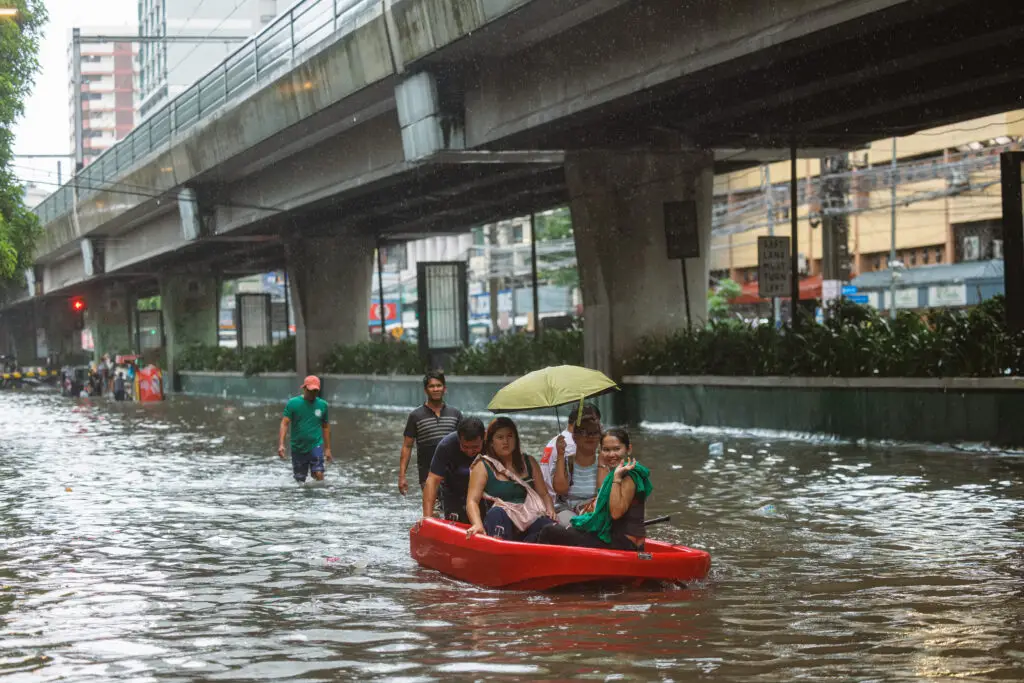
Amid anomalous flood control projects and corruption scandals in 2025, ADB stressed its continued support for the Philippines. Andrew Jeffries, ADB Country Director for the Philippines, emphasized that the bank would not freeze investments despite recent events. Rather, it would continue to implement strict policies to ensure proper implementation of its USD 13 billion financing portfolio in the Philippines.
He said, “Our role isn’t to shy away from problems. Our role is to try to help our developing member countries and governments solve problems.”
The Marine Ecosystems for Blue Economy Development Program (Subprogram 1)’s approval on December 9 is proof of this promise. This loan is aligned with the Philippine Development Plan (PDP) 20232028, the Nationally Determined ContributionGlobal EssentialsNationally determined contribution (NDC)A country's official climate pledge under the Paris Agreement. The Philippines committed to a 75% emissions reduction by 2030 (72.29% of it conditional on international support) and its second NDC is now overdue.Read more in the Glossary → (NDC), and the National Adaptation Plan (NAP 2032-2050).
So what?
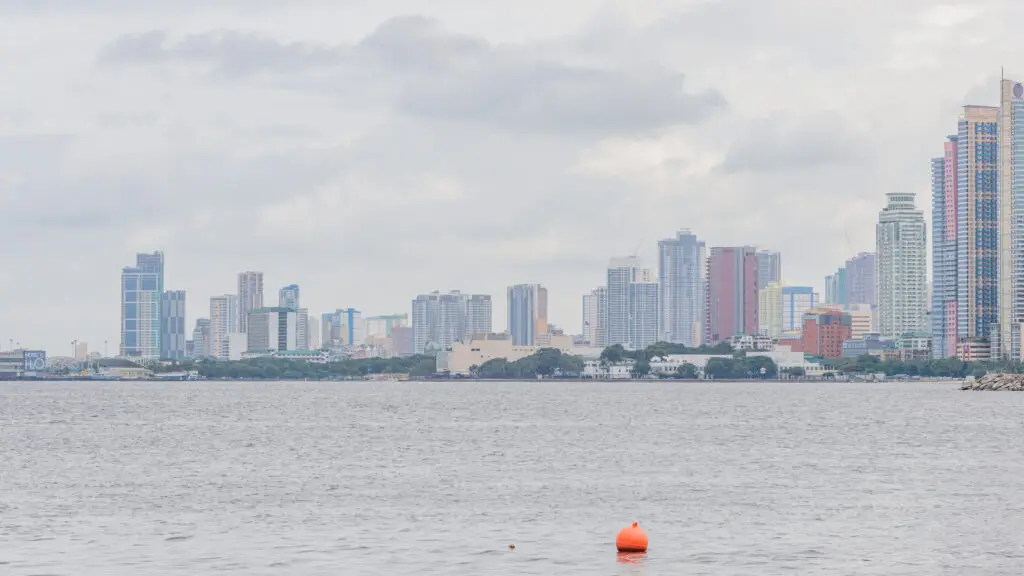
The World Bank defines “blue economy” as the sustainable use of ocean resources for economic growth, improved livelihoods, and jobs. All this while preserving the health of the ocean ecosystem. The United Nations adds a layer of policy to it: “[It] comprises a range of economic sectors and related policies that together determine whether the use of ocean resources is sustainable.”
This is crucial to the Philippines. While it builds a strong legal and institutional framework for managing marine resources, it also enhances the management and circularity of plastic and solid waste. This could, in turn, strengthen disaster resilience and minimize the damage dealt by typhoons, floods, and rising sea levels. (Read: Explainer: Why is DOE pushing for a waste-to-energy exemption?)
“This is ADB’s first extensive cross-sector program focused on fostering national blue economy development in the region,” stressed Jeffries. “We are committed to assisting our host country in achieving its climate resilience and low-carbon objectives.”
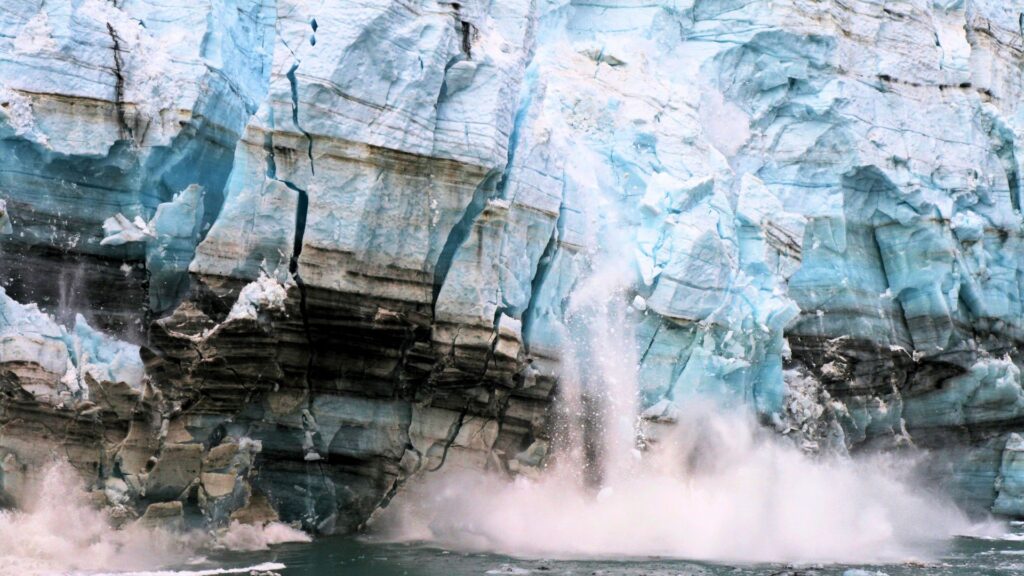
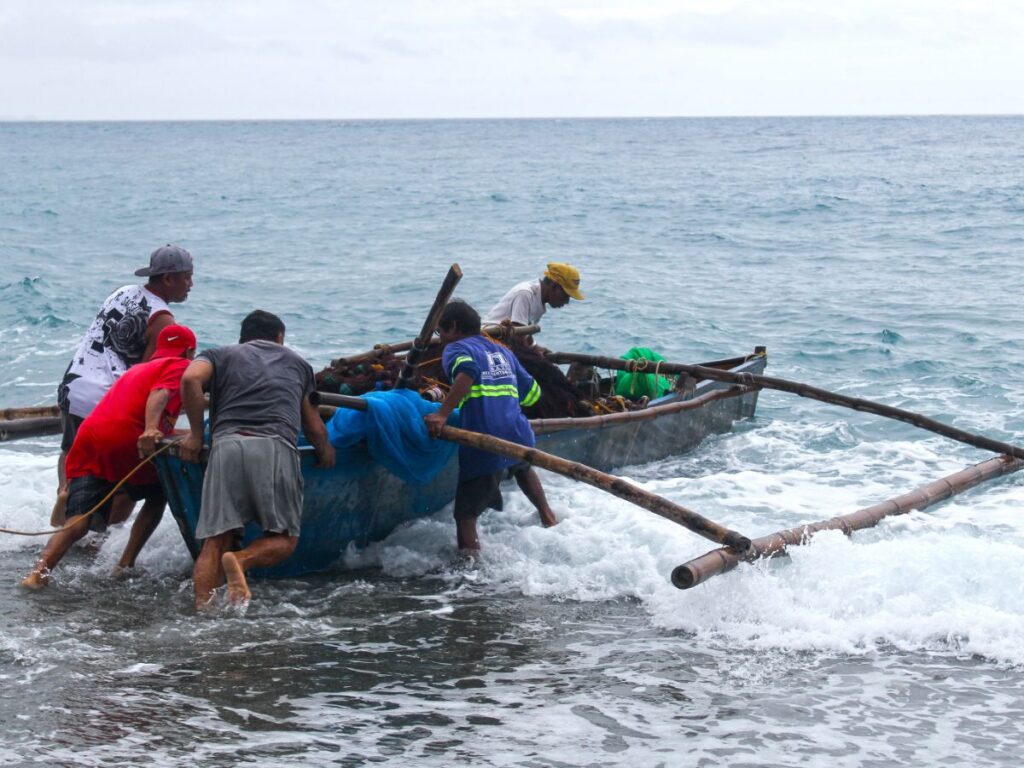
ADB also cited that marine ecosystems in the country are increasingly under threat from unsustainable practices. This includes rising plastic and solid waste pollution, as well as the severe effects of extreme weather changes.
This is one of the first and most extensive cross-sector programs focused on blue economy in the region, putting it among ADB’s most sophisticated attempts to align economic growth, institutional reform, and ecological protection.
Coming off the back of the Philippines’ flood control scandal, the success or failure of this program’s outcomes could determine whether the Philippines remains credible as an institution to multilateral lenders at large. Not to mention the ability of ADB and other multilaterals to actually drive systemic change through policy-based lending amidst widespread corruption practices.
What now?
The quality of the program’s outcomes, as listed on the project plan, hinges on the development of a national blue economy roadmap, an extended producer responsibilityPH Laws & FrameworksExtended Producer Responsibility Act of 2022 (EPR Law)Philippine legislation mandating large enterprises to physically or financially recover a progressively increasing percentage of their post-consumer plastic packaging.Read more in the Glossary → (EPR) national registry, and capital from the national government’s budget.
This means that before the loan can be activated, steps need to be taken by the national government. This will likely include formally adopting a national blue economy framework, operationalizing the EPR national registry, and creating a mechanism for inter-agency cooperation between Department of Finance (DOF), Department of Environment and National Resources (DENRPH Laws & FrameworksDepartment of Environment and Natural Resources (DENR)The Philippine executive department managing forests, protected areas, mining permits, and pollution control. It is the primary regulatory counterparty for environmental compliance, natural capital valuation, and the issuance of permits governing resource extraction and land-use changes.Read more in the Glossary →), and Department of Agriculture (DA), among others.
Dig deeper:
ADB to continue flood control projects in the Philippines
Press release: $500 Million ADB Loan to Help Advance the Philippines’ Blue Economy Development
Project page: Philippines: Marine Ecosystems for Blue Economy Development Program (Subprogram 1)
What is the Blue Economy? – World Bank
Blue Economy definitions – United Nations