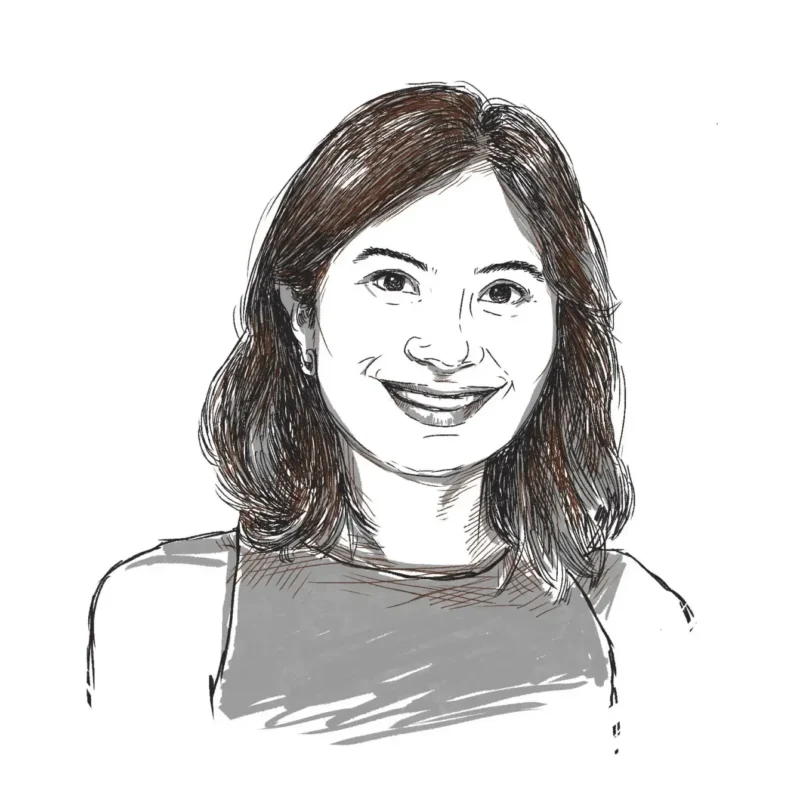

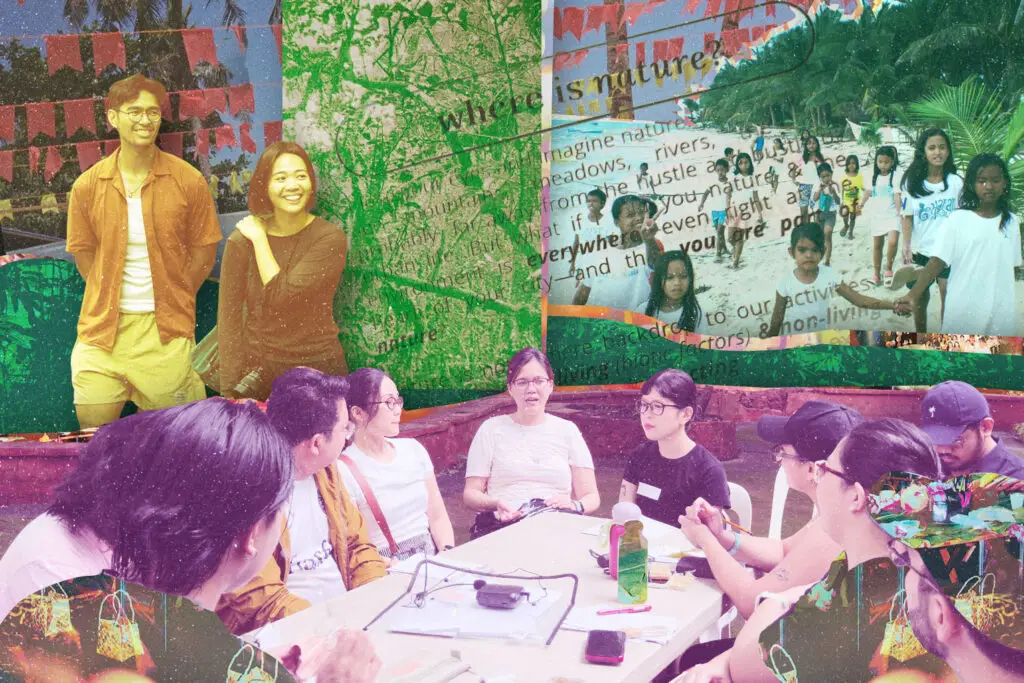


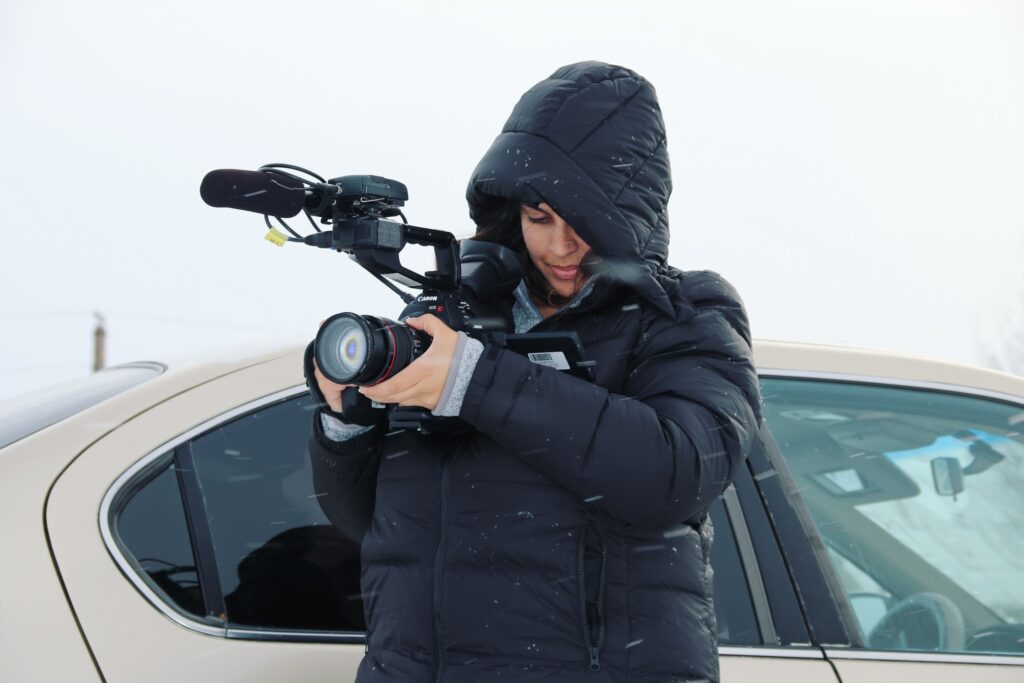
March 17, 2026 · Nisha Balaram didn’t know much about zero wasteCircular Design & EconomyZero wasteA systemic design goal aiming to eliminate the concept of waste by ensuring all materials are reused, recycled, or composted, preventing trash from entering landfills or the natural environmentRead more in the Glossary → before coming to the Philippines. Coming from the United States, where convenience was a way of life, Balaram lived by a maxim many of us know: out of sight, out of mind.
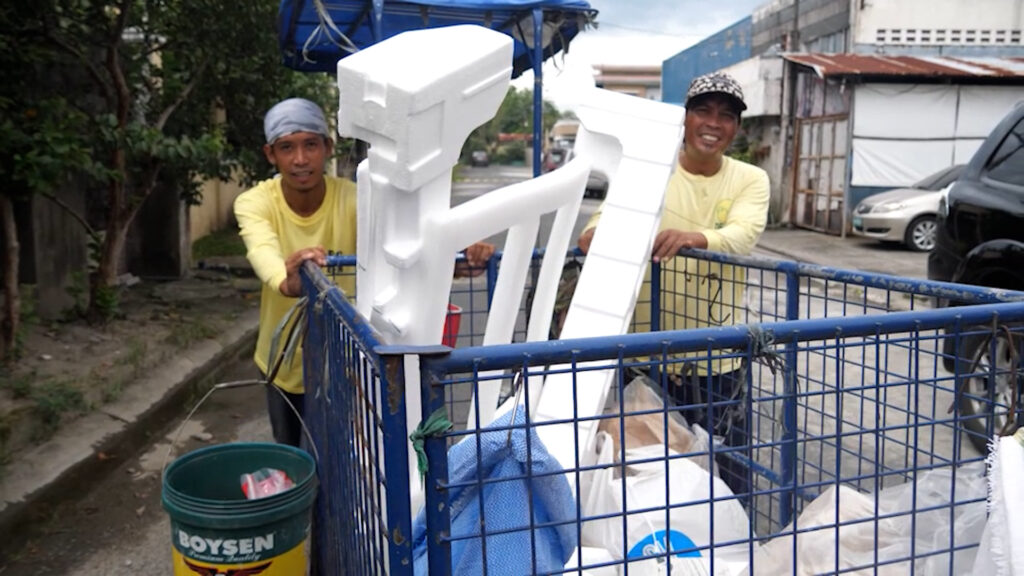
It was during her time as a Human Rights Fellow with the Plastic PollutionLocal Climate & EcologyPlastic pollutionThe accumulation of synthetic plastic products in the environment, adversely impacting wildlife, habitats, and human populations.Read more in the Glossary → Coalition that Balaram’s knowledge on zero waste began to grow. After getting connected with the Global Alliance for Incinerator Alternatives (GAIA) and visiting their partner communities that successfully practice zero waste in San Fernando, Pampanga, she realized how some solutions went beyond saving the environment—they also meant returning dignity to people.
“I was struck by how there was a psychological benefit to zero waste that allowed people to take more control over their community,” she said. “There’s pride among the waste pickers and the folks who were involved in every aspect […] It just gave everybody a sense of purpose.”
Much of the environmental reporting Balaram does likes to emphasize these personal stories: The journey of a female farmer pioneering new agroforestry techniques at her late father’s farm in Panama. Neighbors teaching one another how to grow vegetables in their own backyard. “I’ve been trying to figure out ways to talk about the environment in a way that’s not really talking about the environment [to] grab [people’s attention]. It’s all psychology for me, and you have to meet people where they are.”
Seven years since her first visit, Balaram found herself once again collaborating with GAIA; this time, to help push for climate finance for zero waste at COP30. Featuring GAIA’s newest research on zero waste as an effective climate strategy, the short documentary recalled footage from Balaram’s time visiting communities in Pampanga.
The film comes at a time when waste incinerationPH Laws & FrameworksThe Clean Air Act (RA 8749)Enacted in 1999, the Philippine statutory prohibition against the burning of municipal, biomedical, and hazardous waste.Read more in the Glossary → is a hot topic in the Philippines, following the collapse of major landfills in Cebu and Rizal that buried several hundreds of people alive.
In this interview, Sustina sits down with Balaram to talk about the complex story of waste; her approach to environmental reporting; and what readers must do to remain vigilant against information fatigue.
Sustina: Tell me about the story you tried to capture with your short documentary. What message did you want to convey?
Balaram: One of my main goals is to address the fact that environmental reporting is often discussed in a vague sense with no call to action. What we often see as “fixes” are actually just ignoring the heart of the problem. In this case, incineration is being propped up as an alternative, but it leads to other problems that still contribute to climate changeGlobal EssentialsClimate change/Climate crisisClimate change refers to long-term changes in global temperatures, weather patterns, and the environment resulting from anthropogenic activity such as burning fossil fuels and deforestation. These changes continue to happen…Read more in the Glossary →. It highlights the nature of what we’re up against: corporations with a lot of power propose changes that are either not implementable, shift the burden to a community, or aren’t real solutions at all. It’s just passing the buck.
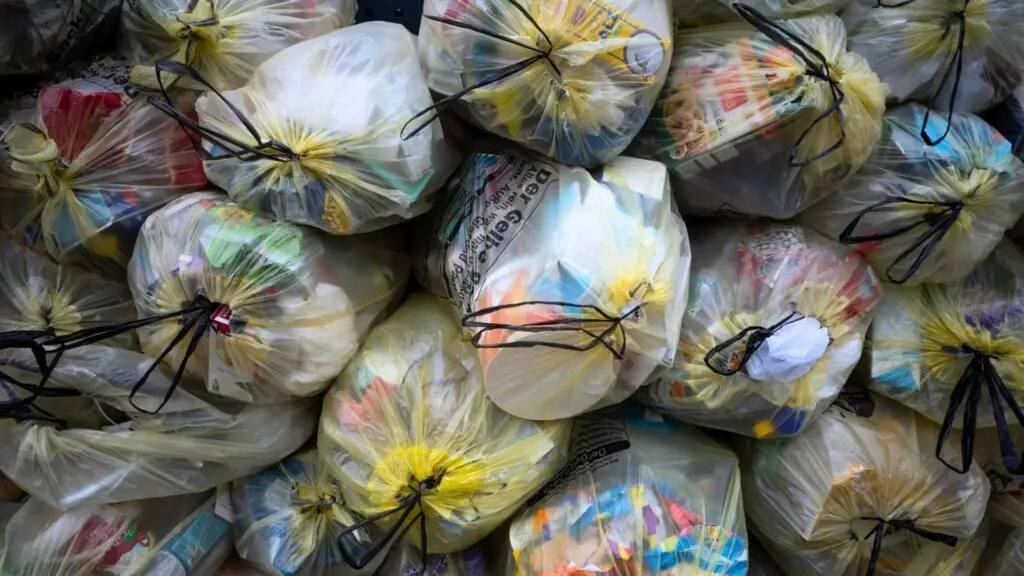
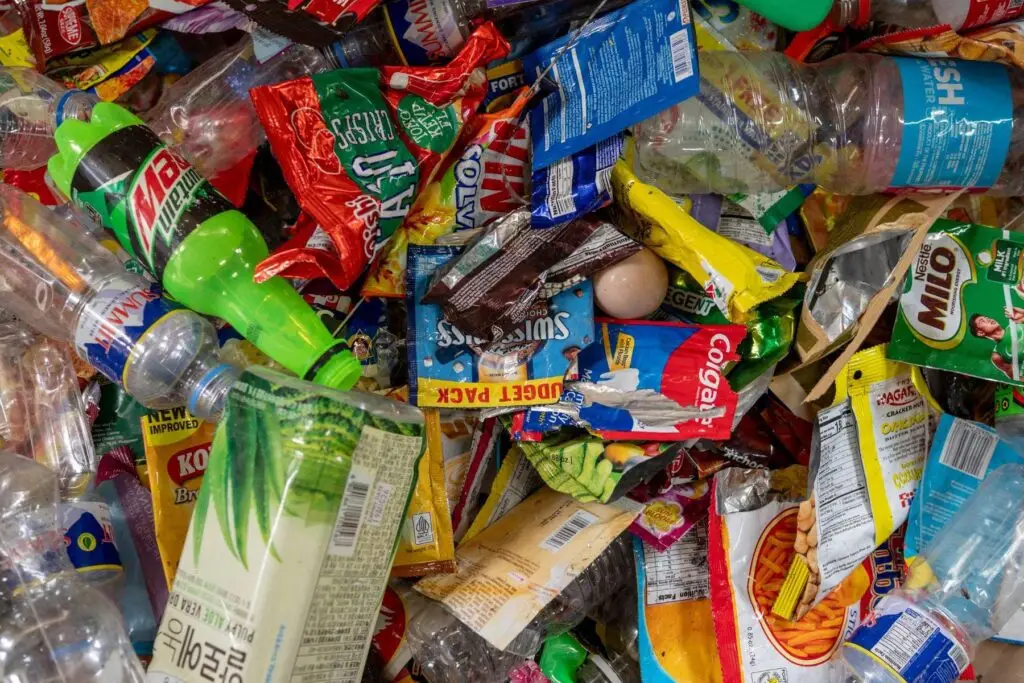
To expand on this, some of that footage was filmed back in 2018 and 2019—especially those opening shots of pollution on the beach. I was hoping to showcase this to knock people out of the apathy of thinking that when you throw away plastic, it just “goes somewhere.” That shock value was initially important, but right after having images of folks trying to clean it up and people who really care, it shows it’s not all despair if we agree to work towards it and continue fighting for it. I’m trying to combat the “doom and gloom” so often found in conversations around sustainabilityGlobal EssentialsSustainabilitySustainability is the ability to manage and use resources to meet present needs without compromising future generations. It can be examined through environmental, economic, or societal lenses. These are the…Read more in the Glossary →.
You mentioned talking to different people on the ground. Was there anything from your time working with GAIA that challenged your perspective on zero waste versus incineration?
Seeing the GAIA office—it sounds silly—but seeing an entire office where they come out with their mugs… they didn’t just talk the talk, they walked the talk. That first impression of embodying what you stand for was such a culture shift. Then [we went] on a site visit and saw people cleaning up sachetsLocal Climate & EcologySachet economyA sachet is a small, sealed packet or pouch—usually made of plastic—that holds a single-use portion of a product like shampoo, coffee, seasoning, or detergent.Read more in the Glossary → and trash that big corporations have shipped to the Global South. It made me realize the power dynamics.
Coming from the US, the narrative back then was that China was [no longer] accepting US recyclables. A [previous] colleague at GAIA mentioned the impact of the Global North on other regions. It struck me how small actions have big impacts. Companies create “affordable” packaging that leads to huge problems. People on the other side of the world think they are doing something “good” by recycling, but that stuff gets shipped off because there’s no follow-up or it’s passed to a community that didn’t ask for it.
Beyond the office, visiting community partners like the waste segregationCircular Design & EconomyWaste segregationThe physical separation of waste streams (biodegradable, recyclable, residual) at the point of generation. It is the absolute prerequisite for any functional circular economy.Read more in the Glossary → facilities… I was struck by the personal component. There is a psychological benefit to zero waste that allows people to take control of their community. There’s pride. The waste pickers and everyone involved in coordinating the pickup or segregating waste had a sense of purpose. I could feel the solidarity.
So by focusing on zero waste—it was a way of getting the audience to think differently about incineration.
Exactly. Showing new and interesting ways around a topic. Granted, there was a limitation with the video in that I was working with older footage, and COP30 had a very specific policy platform. But my [general] sentiment is that you can make environmental reporting very personal because it has personal impacts.
A lot of the reporting I do tries to do a roundabout personal way into a topic. For example, I filmed a piece in Panama about a woman farmer who planted trees on her field to let the environment take back pillaged land. She got pushback because it went against tradition. I could have entered that story through the technique itself, but the angle was about her being a woman in a male-dominated field, taking over her father’s farm. Anyone who has struggled with being alone in their field or honoring a parent’s memory can relate to that, even if they don’t understand the environmental concept.
What initially drew you to report on waste, and what has been the most challenging thing about translating them for the public?
With incineration, I followed GAIA’s curiosity. When I interviewed Neil Tangri [Science and Policy Director at GAIA Global], I had a lot of questions. It’s my job to translate the jargon into something digestible. If you look at the world with a questioning eye, you realize things can be changed. I can’t tackle plastic pollution alone, but I can spark a question in someone else. In terms of challenges, there’s a lot of justified “doom and gloom.” But there’s also an over-emphasis on individual responsibility versus company accountability.
I can recycle, but if the company has no plan for the waste stream, I’m just a tool on their conveyor belt. I think that objectification of humans in that process has been really unfortunate.
A lot of the issue with what I’ve learned about reporting is it’s so complex. Sometimes laws are passed and there’s no way to implement it or audit it, or if the system has been going on for so long that people don’t know how to enact change. It’s also challenging because people think we’ve said all we have to say about the environment, but if it’s that repetitive to you, then why haven’t we done something about it? We hear it a lot, because it’s real and true.
Waste-to-energyCircular Design & EconomyWaste-to-energy (WTE)Technologies that convert municipal solid waste into electricity or heat, typically through incineration or gasification.Read more in the Glossary → is a hot topic in the Philippines right now. People are saying incineration is the way to solve our waste problem, but we know it’s more complex than that. How would you advise readers to remain vigilant against misinformation and information fatigue?
First, regarding information: GAIA is a wealth of knowledge, but looking at models in other countries also helps fact-check it. If countries far away with different systems are still saying “incineration is not the way,” it helps you see beyond local politics.
Regarding information fatigue: We can’t “read our way” out of climate change. When people are thinking about what they can do, they should think about where they’re at. Are you good at making signs? Public speaking? Social media? Pick one thing. The human mind can’t tackle everything at once, and algorithms are designed to keep you enraged. Be mindful of what information does to your body, know when to stop, and know that even a small action, when connected to a community or an organization like GAIA can make a really big difference.
It’s not about jumping to the “easy” answer. I’m realizing more and more with the environment that these decisions are not easy. Like we talk about companies, but there’s so many people in a company, right? So be gentle with yourself, but at least show up in your own way.
This interview was edited for clarity.
EDIT: A version of this article incorrectly stated that Balaram was an intern at GAIA. She was a Human Rights Fellow with the Plastic Pollution Coalition.