


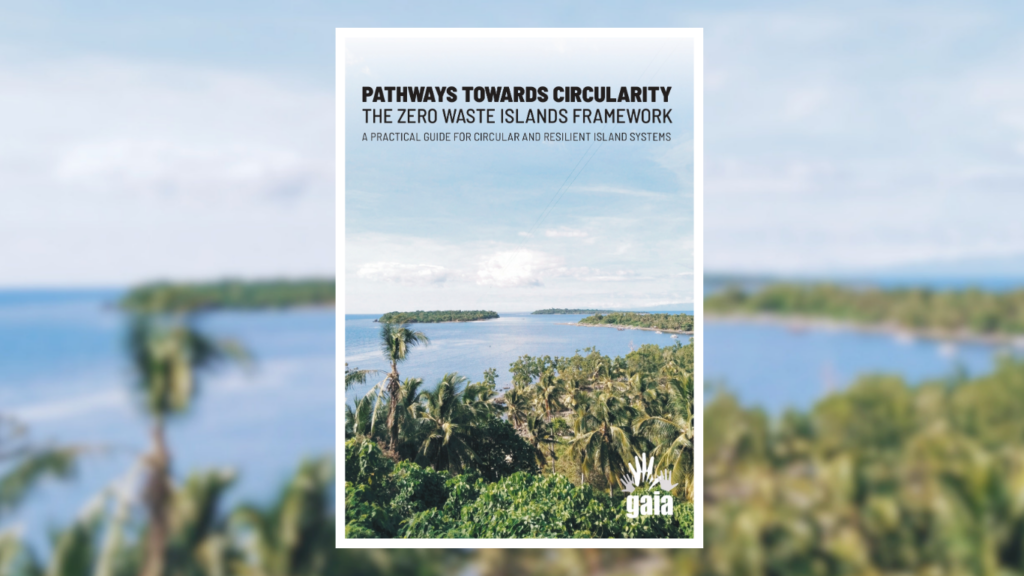
June 30, 2026 · To commemorate World Oceans Day on June 8, Global Alliance for Incinerator Alternatives (GAIA) Asia Pacific launched its new strategic guide, “Pathways Toward Circularity: The Zero WasteCircular Design & EconomyZero wasteA systemic design goal aiming to eliminate the concept of waste by ensuring all materials are reused, recycled, or composted, preventing trash from entering landfills or the natural environmentRead more in the Glossary → Islands Framework.”
The framework is designed for local governments and municipalities, communities and civil society organizations, private sector and tourism-related establishments, and development agencies and financing institutions. The goal is to guide remote communities towards restorative environmental practices in place of carbon-heavy practices.
GAIA Asia Pacific is a global collective of over 1,000 non-governmental organizations, groups, and individuals focused on supporting on-the-ground zero waste solutions.
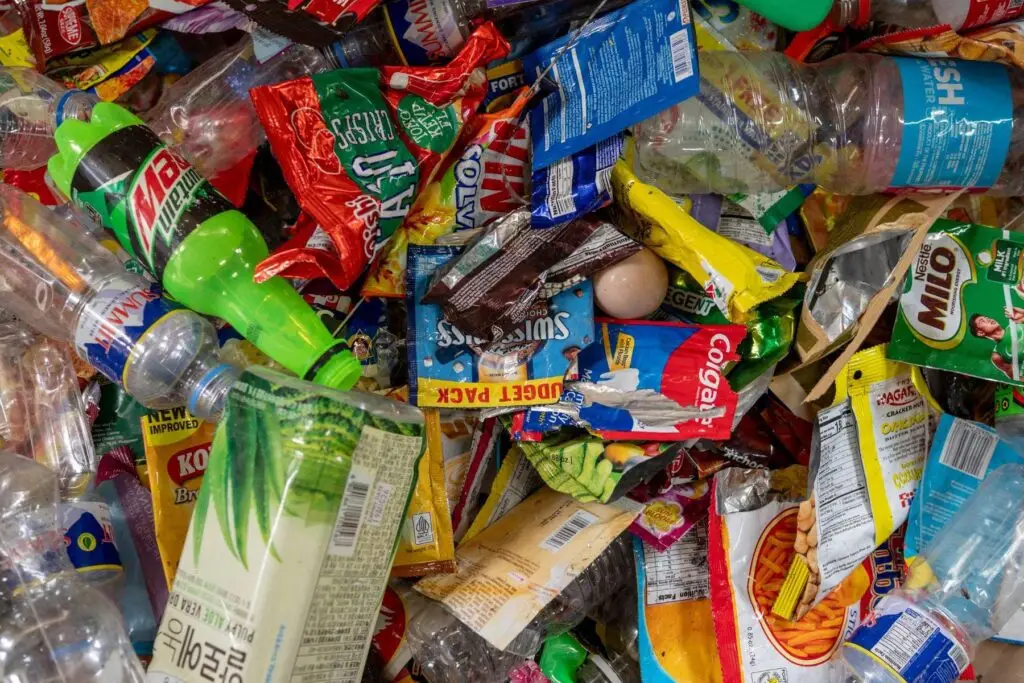
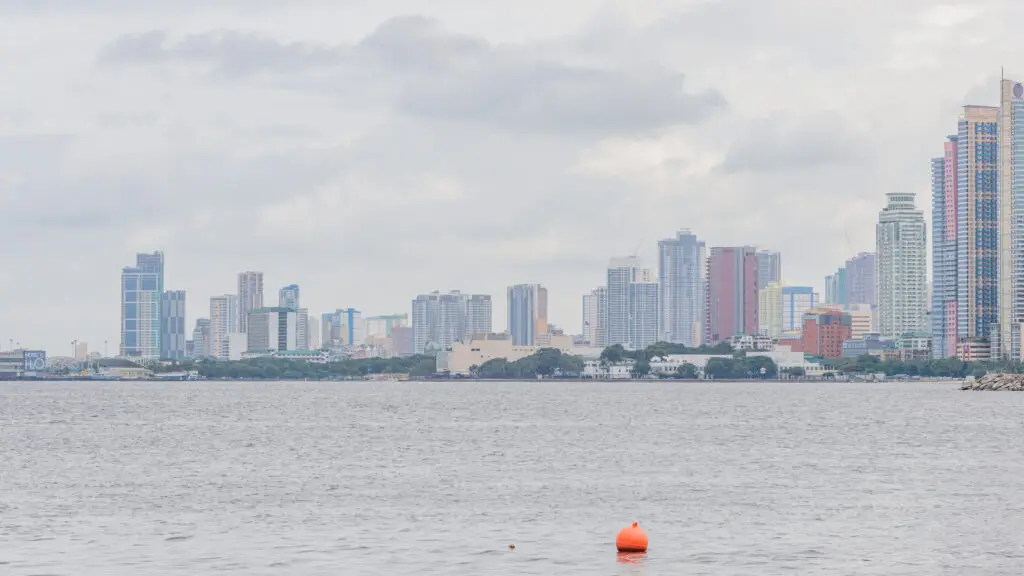
The archipelagic nature of the Philippines makes it difficult to mobilize waste, leading to accumulation in island communities. Islands have limited land available for storage and landfills—a lot of biodegradable waste also cannot be processed inland and requires additional transportation costs to the mainland.
Island communities face increasing environmental pressure due to climate changeGlobal EssentialsClimate change/Climate crisisClimate change refers to long-term changes in global temperatures, weather patterns, and the environment resulting from anthropogenic activity such as burning fossil fuels and deforestation. These changes continue to happen…Read more in the Glossary → and their popularity as tourist destinations. Without proper guidelines, tourists turn to unsustainable practices such as single-use plastics.
The vision is to create a “Zero Waste Island,” defined by GAIA as a “community that manages its resources within its ecological limits.” This involves designing out waste, circulating materials, and pursuing a “long-term goal of eliminating all exports of waste to the mainland.”
The focus shifts from incinerationPH Laws & FrameworksThe Clean Air Act (RA 8749)Enacted in 1999, the Philippine statutory prohibition against the burning of municipal, biomedical, and hazardous waste.Read more in the Glossary → and disposal to reuse, waste reduction, and resource recovery. It also incorporates indigenous and local knowledge through one of its guiding principles, “regeneration through localization.”
The report acknowledges that each island can vary in terms of population density and environmental conditions. To address this, the framework was designed to “[eliminate] the need for institutional backing or non-governmental organizations to initiate.”
The full report can be accessed here.