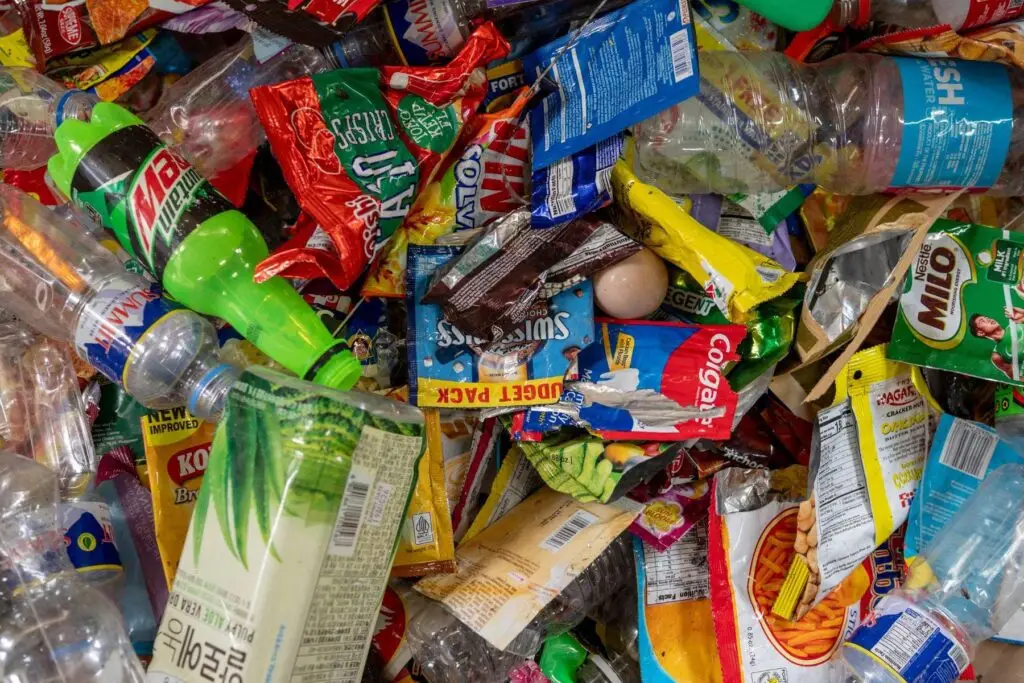



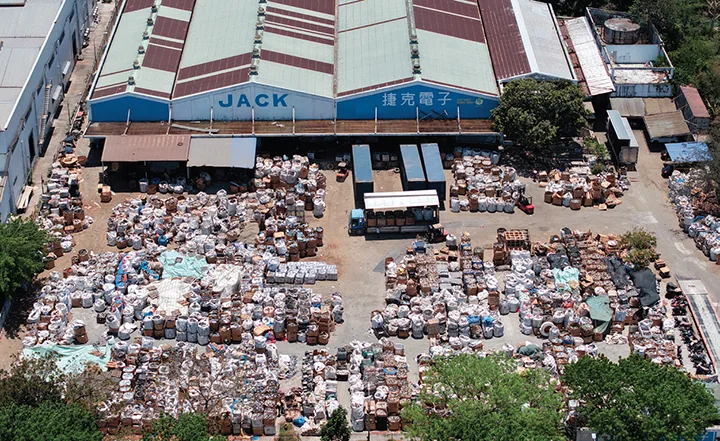
July 6, 2026 · The Basel Action Network (BAN) reported that the United States has dumped 234 suspected containers of electronic waste (e-waste) and one container of plastic waste in Subic, Philippines. The network had previously sent 14 Operation Can Opener (OCO) alerts to the Bureau of Customs (BoC) since March 2025.
Illegal dumping has been happening in the Philippines for years, with a notable example occurring between 2013 and 2019, when Canada dumped more than 100 containers of waste at the Manila International Container Port.
Following the five-year-long dispute, Aileen Lucero, National Coordinator from non-governmental organization Ecowaste Coalition, said that Canada’s waste shipment displayed “how developed countries are exploiting weak national regulations and loopholes in international conventions to dump waste they can’t process in poor countries.”
The Basel Convention is an international treaty that was adopted in 1989 for the purpose of controlling transboundary movements of hazardous wastes and their disposal. It was established to protect the environment, mitigate climate changeGlobal EssentialsClimate change/Climate crisisClimate change refers to long-term changes in global temperatures, weather patterns, and the environment resulting from anthropogenic activity such as burning fossil fuels and deforestation. These changes continue to happen…Read more in the Glossary →, and prevent industrialized nations from exporting their waste to developing nations. Today, it has 191 member Parties that have ratified the treaty.
Through BAN’s Operation Can Opener—which aims to provide governments with information regarding incoming waste shipments—the illegal dumping was identified with GPS trackers and the use of “commercial, subscription-based trade data of exports from the United States and Canada.” The purpose of the operation is to allow officials to intercept and seize illegal waste shipments.
While the Philippines is a Party to the Basel Convention, the United States is not. Therefore, the United States cannot export waste into the country. Article 4 of the Basel Convention “prohibits any trade between Parties and non-Parties,” while Article 11 requires a bilateral agreement between Parties for trade to occur.
No such bilateral agreement between the US and the Philippines is currently available to the public.
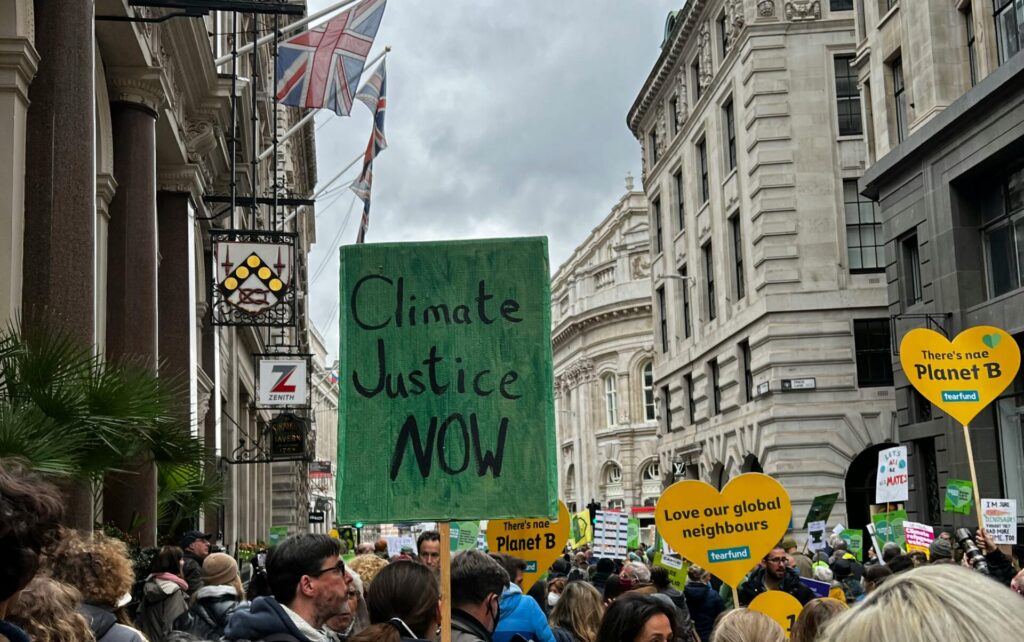
Local groups speak out in protest
The Environmental Task Force Against E-WasteCircular Design & EconomyElectronic waste (E-waste)Discarded electronic devices containing complex matrices of precious metals and hazardous toxins. In circular economy strategy, it represents a critical urban mining opportunity and a severe environmental liability, requiring specialized reverse logistics and strict adherence to international waste trade protocols like the Basel Convention.Read more in the Glossary → Imports to the Philippines (End E-Waste Imports) was formed to protest and expose the illegal importation of e-waste into the Philippines.
It is composed of the following environment advocacy groups: Global Alliance for Incinerator Alternatives (GAIA) Asia Pacific, BAN Toxics, Basel Action Network (BAN), Break Free From Plastic-Asia Pacific, Kalikasan People’s Network for the Environment, Greenpeace Philippines, Ecowaste Coalition, Center for Environmental Concerns-Philippines, Pangasinan People’s Strike for the Environment, Central Luzon Environmental Action Network, as well as the Kabataan Partylist.
Discussions are still ongoing
Following the reports of illegal e-waste shipments, the Bureau of Customs (BoC) has also called on the Office of the Solicitor General (OSG), Department of Environment and Natural ResourcesPH Laws & FrameworksDepartment of Environment and Natural Resources (DENR)The Philippine executive department managing forests, protected areas, mining permits, and pollution control. It is the primary regulatory counterparty for environmental compliance, natural capital valuation, and the issuance of permits governing resource extraction and land-use changes.Read more in the Glossary → (DENR), Department of Justice (DOJ), Subic Bay Metropolitan Authority (SBMA), and Philippine Economic Zone Authority (PEZA) to discuss further action and identify solutions.
The meeting is in response to the BoC’s inability to act on the illegal shipments due to a Manila Regional Trial court ruling in 2025, which upholds Subic Freeport Zone as a separate customs territory.
On July 1, a joint inspection was conducted by the BoC, the Department of Environment and Natural Resources (DENR), and Subic Bay Metropolitan Authority.
The findings will be discussed on the inter-agency meeting scheduled on July 6 to address the claims made by the Basel Action Network.