



July 17, 2026 · By some accounts, in the Philippine reefs of the 1970s, large groupers appeared every 50 feet or so. Some seemed as large as Volkswagen Beetles. Around them were snappers, fusiliers, wrasses, turtles, and corals, along with fish whose identities were still uncertain. A young biologist could spend his days diving and still feel he had only begun to understand what was there.
Kent E. Carpenter arrived in the Philippines at 22, soon after graduating from the Florida Institute of Technology. The Peace Corps assigned him to the Philippine Bureau of Fisheries and Aquatic Resources and put him in charge of coralLocal Climate & EcologyCoral reefs & bleachingMarine ecosystems that are highly sensitive to thermal stress, where elevated sea temperatures cause corals to expel symbiotic algae (bleaching).Read more in the Glossary →-reef research. He later called it “the best job there ever was or ever will be in the Peace Corps.” It gave him access to reefs across the archipelago and set the direction of his career.
Carpenter was shot dead at his home in Sibulan, Negros Oriental, on July 12. He was 73. According to police, three men entered the house late at night. A special task group was formed to investigate, and no motive had been established when his death was announced.
Pollution and destructive fishing were already damaging Philippine reefs during his early years there. The large predators he had seen so often became harder to find. He spent much of the next half-century recording marine life in increasing detail: which species lived where, how they were related, how populations changed, and what made them vulnerable.
After completing a doctorate in zoology at the University of Hawaii, he worked in fish systematics, biogeography, population genetics, and conservation. In 1996 he joined Old Dominion University in Virginia, where he became a professor and Eminent Scholar. His research ranged from the visible features used to distinguish one fish from another to genetic differences hidden within populations.
His best-known finding began with distribution records for 2,983 marine species. Working with Victor Springer, he mapped their ranges across the Indo-Malay-Philippine region. The highest concentration appeared in the central Philippines, especially around the Verde Island Passage, rather than in the areas prevailing explanations had suggested.
“I fell off my chair—literally—when I saw that,” he later said. He called the region the “Center of the Center” of marine shore-fish biodiversityGlobal EssentialsBiodiversityThe variety of life at genetic, species, and ecosystem levels. Biodiversity loss is a material financial risk and a prerequisite for nature-positive investment frameworks.Read more in the Glossary →. Conservationists adopted the phrase to explain the importance of the narrow passage between Luzon and Mindoro, where shipping, coastal development, and fishing pressed against an exceptional concentration of marine life.
Carpenter combined traditional taxonomy with genetic methods. On his university profile, he wrote that morphological and molecular evidence should provide “reciprocal illumination.” A fish’s shape, color, teeth, and fin structure could suggest one answer; DNA could confirm it, complicate it, or reveal divisions that appearances concealed.
On his second Fulbright fellowship, in 2024, he studied genetic diversity in fish populations affected by dams in the Mekong basin. Dams interrupted the movements through which fish populations mixed and reproduced. “If they lose genetic diversity,” he said, “they lose the ability to adapt to a changing world.”
He had also compared recent Philippine fish tissue with samples collected by an American expedition in 1908. The newer specimens showed signs of reduced genetic diversity after a century of fishing pressure and habitat damage. Their capacity to respond to disease, warming water, and other changes could already have narrowed.
For the UN Food and Agriculture Organization (FAO), he worked on guides used to identify marine resources. At the International Union for Conservation of Nature (IUCN), he managed the Global Marine Species Assessment and helped organize information on about 20,000 species. The assessments combined data on distribution, population trends, and threats, then placed species into extinction-risk categories used by governments and conservation groups.
His expertise also reached international law. In the South China Sea arbitration, he gave evidence on damage caused by dredging and coral-reef destruction. He identified what had been present, determined what had changed, and explained the scale of the damage.
Two fish species were named after him, including Carpenter’s flasher wrasse. The small western Pacific fish is known for displays in which males intensify their colors and dart above the reef during courtship. For each species he studied, Carpenter also wanted to know its range, its relationships, its abundance, and its chances of remaining where it had been found.
Students remained central to his working life. When he received Virginia’s Outstanding Faculty Award in 2020, he said much of his inspiration came from students who shared his interest in the marine environment. During his Vietnam fellowship, he arranged weekly meetings with students and continued teaching across time zones. He spoke Tagalog, though Vietnamese proved more difficult. He blamed years spent playing bass guitar in rock bands for damaging his hearing and making tonal languages harder to distinguish.
In lectures and interviews, he returned to details that made the science tangible. Giant groupers became Volkswagens. A surprising map sent him out of his chair. The subjects themselves were often severe: depleted fisheries, broken genetic connections, damaged reefs, and species lost before they had been fully described.
In June 2026 his name appeared on a new survey of Tubbataha Reefs, a remote no-take reserve in the Philippines. The researchers recorded 534 fish species, including wrasses, damselfishes, gobies, butterflyfishes, groupers, and surgeonfishes. More than 50 years after his first Philippine assignment, Kent Carpenter was still working through the list.
This story was originally published on Mongabay.
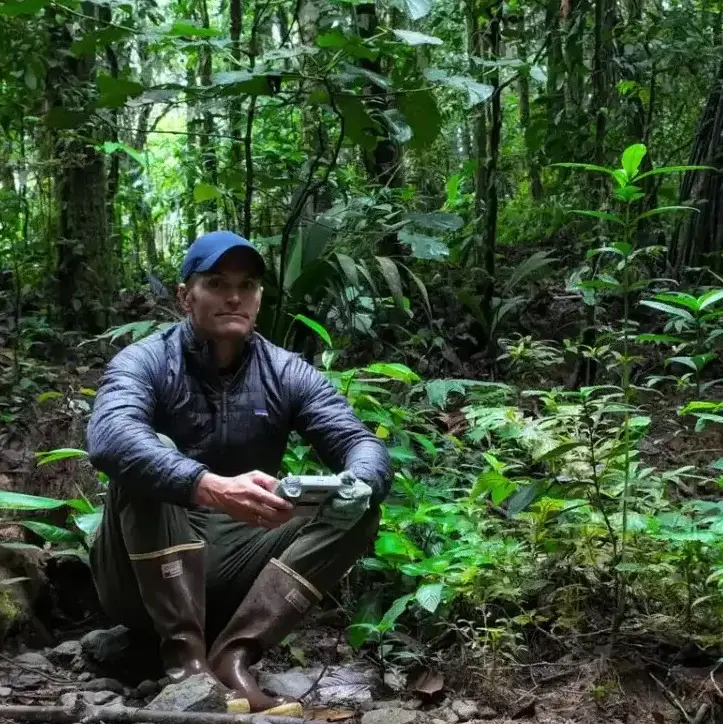
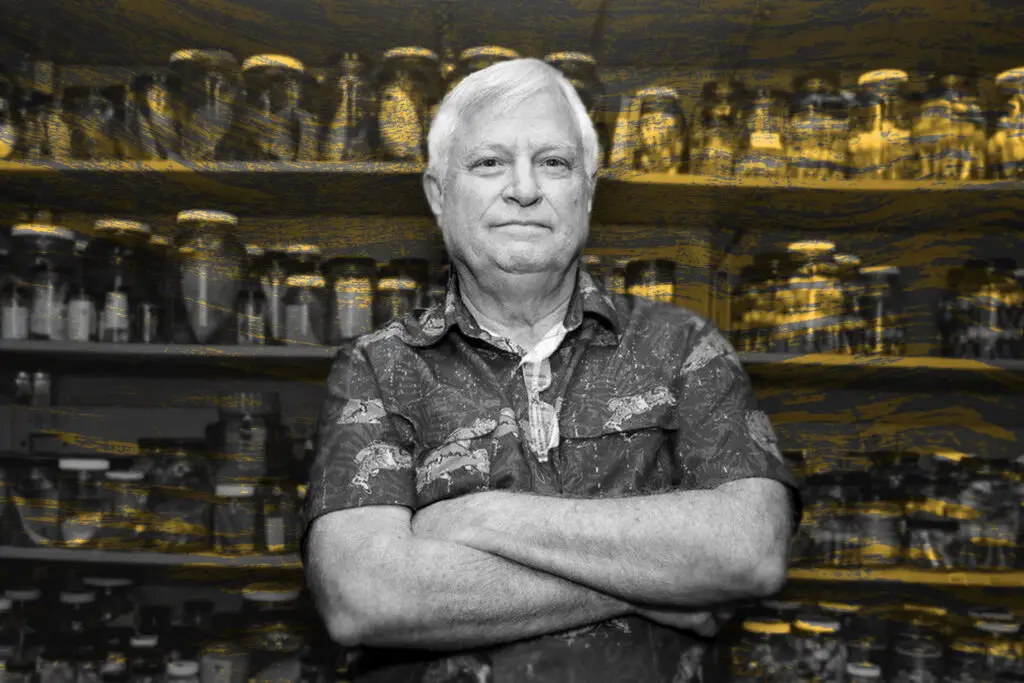
Banner image: Edited for style, original photo courtesy of Old Dominion University.