June 25, 2026 · Up to 58% of LGBTQIA+ young people in the Philippines do not feel comfortable interacting with others as their true selves, according to a report by The Trevor Project. Meanwhile only half of those young Filipinos reported that the community where they lived was “accepting of LGBTQIA+ people.”
The report also found that living in an accepting community was associated with lower suicide risk, less self-harm, and fewer mental health concerns.
For a special Pride Month feature, we put the spotlight on LGBTQIA+ community builders and rights advocates that are working towards authentic inclusion and building safe spaces.
Sustina: What was a time that you can remember when someone or some organization made you feel genuinely included?
Rocky Rinabor: Whenever my family consistently recognized and used my lived name and gender, my non-LGBTQ workplace respected my identity in daily interactions and workplace culture, and my school allowed me to express my gender without fear of discrimination. These experiences made me feel valued, respected, and able to fully participate.
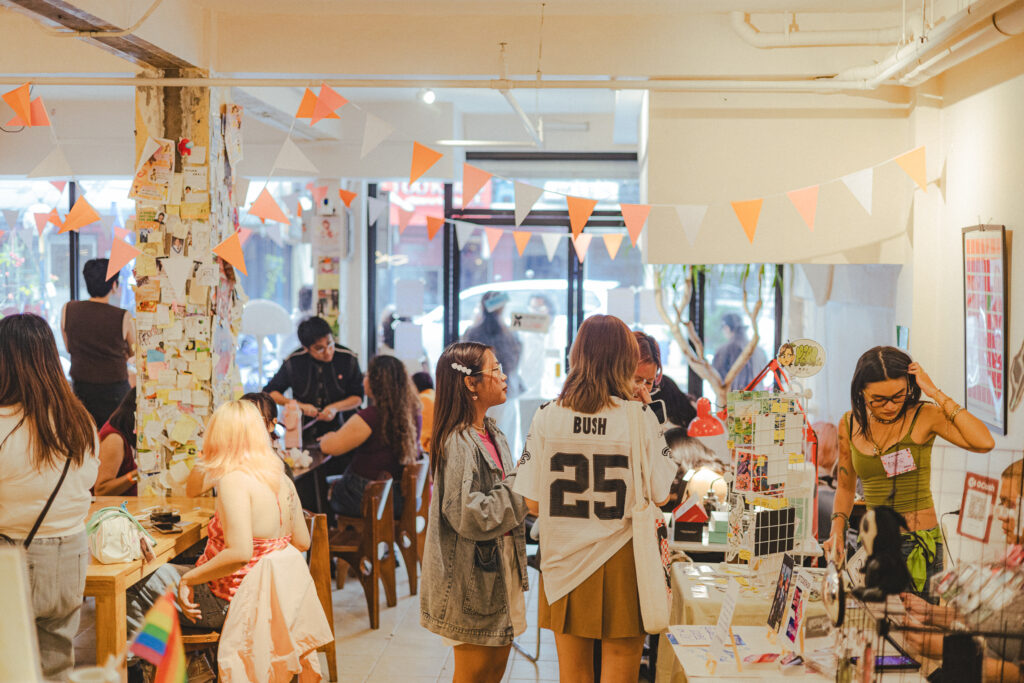
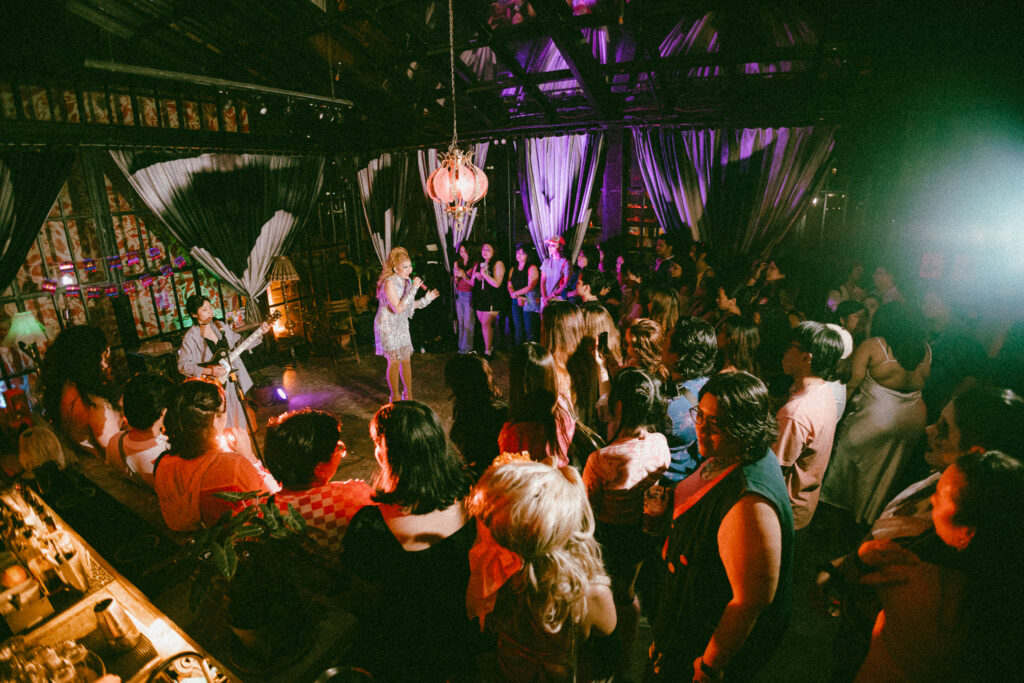
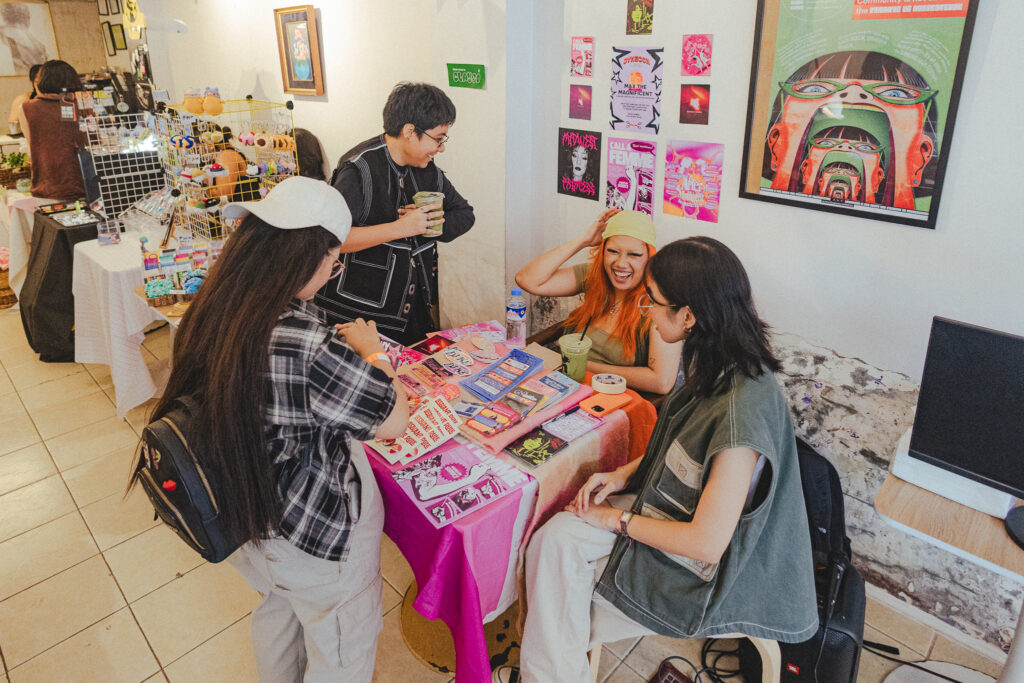
Savvy: When Sapphic Society first debuted at Planet Pulp’s Kopipop Pop-Up Art Market + Gig. At the time, we weren’t a “collective” yet… just three lesbian friends with a vision and a hunger. One of the organizers took a chance on us after constant conversations about what we wanted to build, and that opportunity made us feel seen and trusted. Someone believed in us, so we decided to go for it!
Doms Cordero: It took me a while to get comfortable with my own transness. Compared to my friends, who realized they were trans back in high school, I only started fully embracing my trans pinay identity in the latter years of college. This meant I often felt alone in my transition journey, lagging behind my sisters who in my eyes had already blossomed into fully-fledged women. STRAP became the first place I didn’t need to explain nor justify myself, a warm group of people who wholeheartedly saw me for who I was without question. This is what I look for in true inclusivity—when you can simply be.
What is the easiest practice people in the impact space can adopt to move towards genuine inclusion?
Thysz Estrada: Ask one question before every decision: Who is missing from the room, and why? Inclusion becomes real when affected communities help shape solutions from the start—not just as beneficiaries, speakers, or photo opportunities. You should not just be inviting them to the party, they should feel like they are able to dance!
Cordero: We are often victims to our assumptions [and] knee-jerk reactions, especially in situations inflated by controversy. Misconception or ignorance grows when we forget to simply ask and listen. By [asking and listening], we open ourselves to new knowledge and the possibility of realities different from ours. These in turn allow us the opportunity to develop genuine pathways toward inclusion, ones that are rooted in lived experience and active engagement.
What’s one thing you expect or hope to see we’ve accomplished as a community next Pride? Why is that important?
Estrada: I hope we’ve moved beyond visibility and achieved measurable progress in safety, representation, and anti-discrimination protections. LGBTQIA+ people are already visible; what we need is equal access to opportunities and dignity. Pride’s success should be measured not by rainbow branding, but by improved lives.
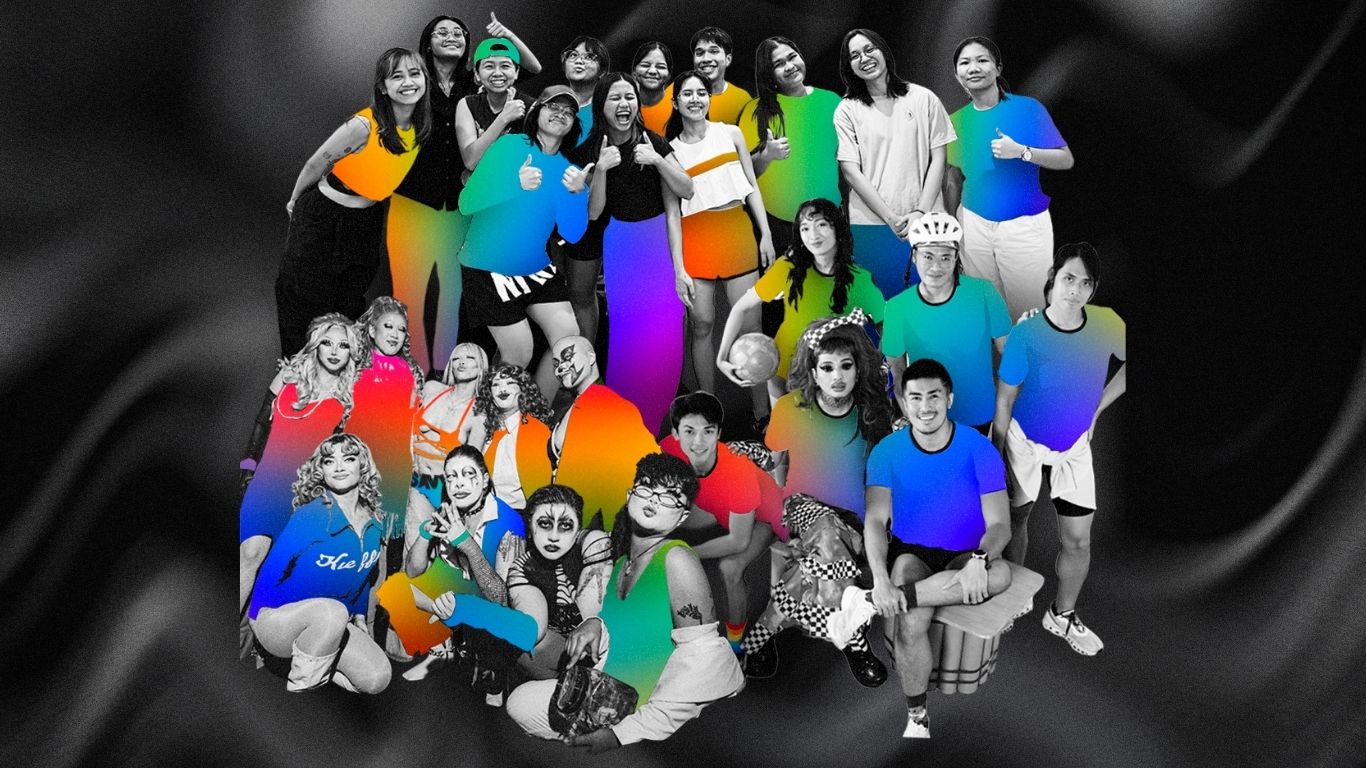
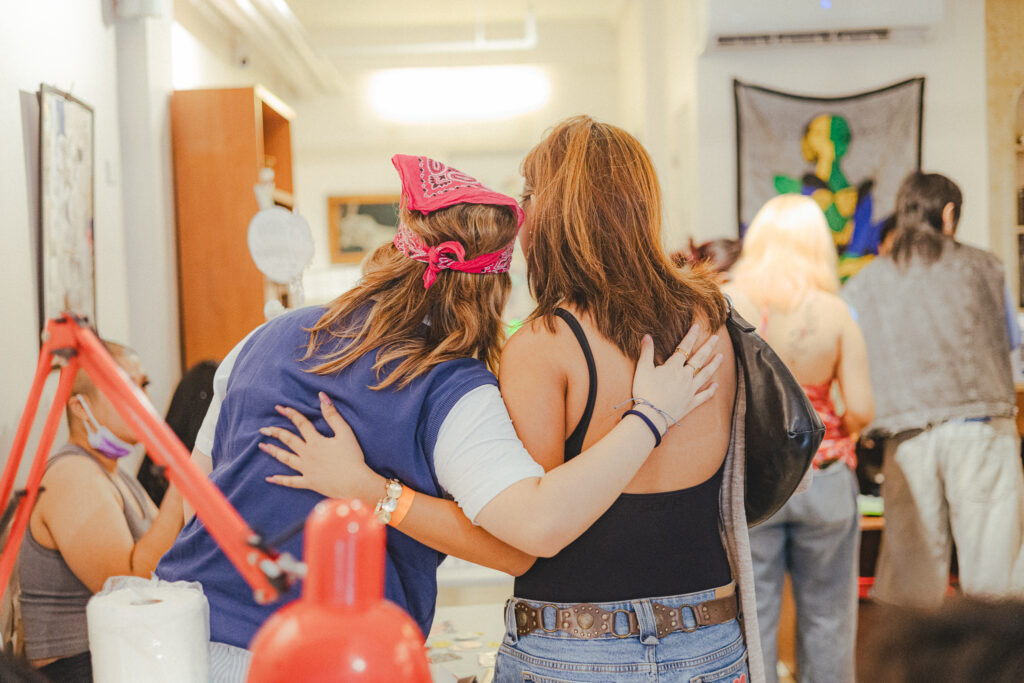
Bea Haban: By next Pride, I hope we’ve completely erased the intimidation factor for queer people who are terrified of trying something new alone. I want to see people of all body types, identities, and backgrounds confidently taking up space in the community without feeling like they need to be good just to fit in.
Ultimately, I want Sunbeam Crew to be a space where you show up knowing you already belong. You shouldn’t have to prove yourself to be here since true inclusivity means your safety and community are guaranteed the second you decide to join us.
Some names used in this article are stage names, used for the safety of the sources.