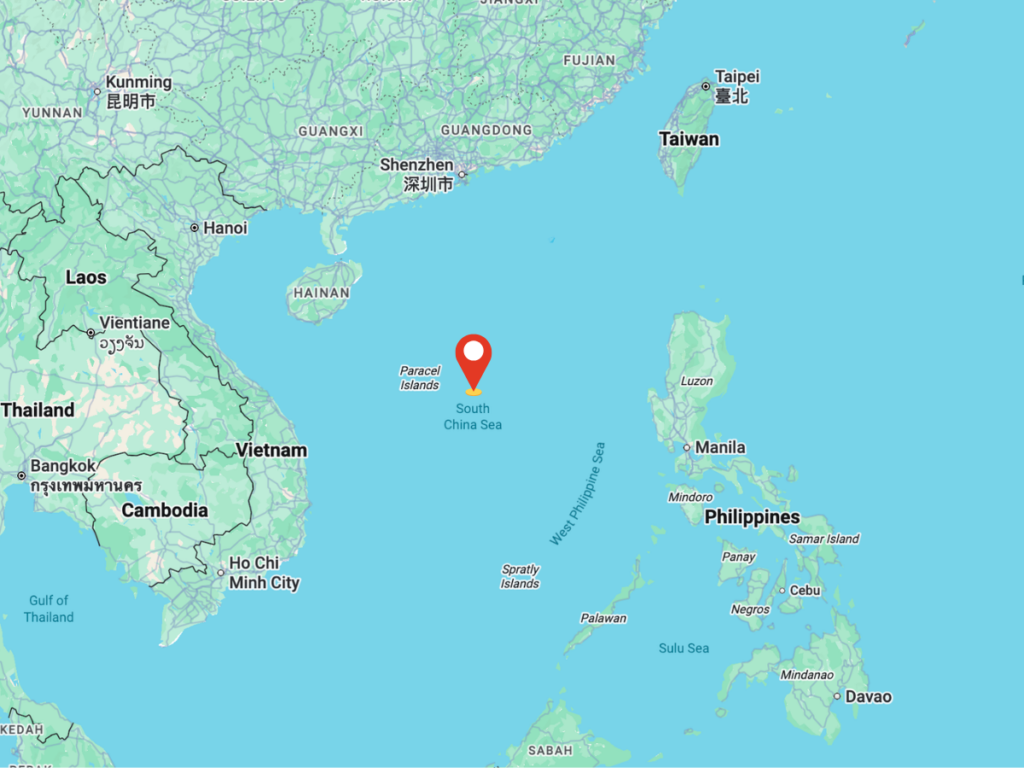
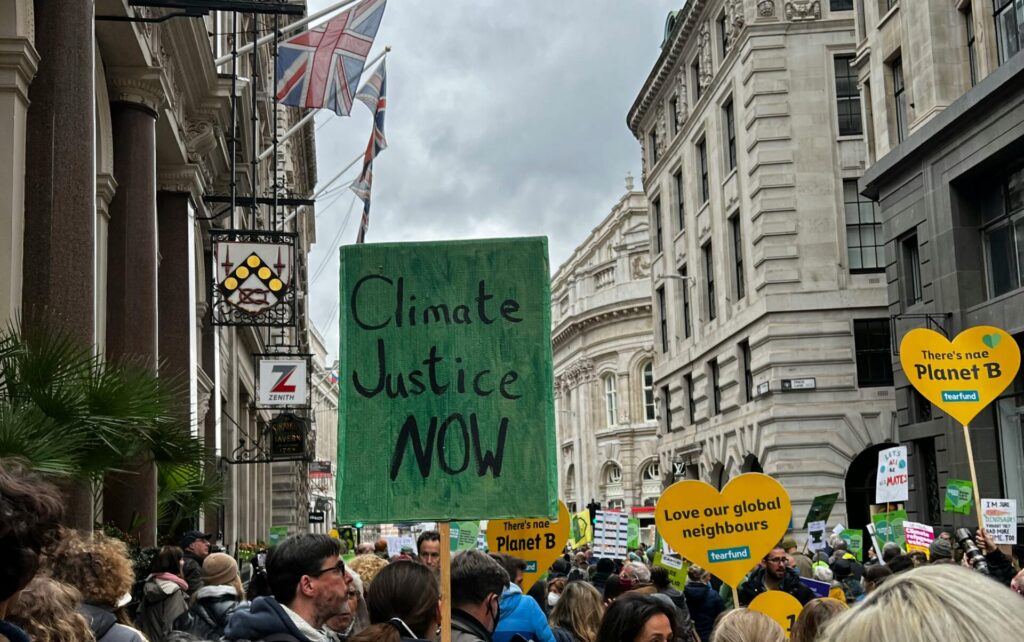









April 21, 2026 · Concerned Filipino environmentalists are calling on the Philippine government to propose the South China Sea—or what the group is callling the Asia High SeasGlobal EssentialsBiodiversity Beyond National Jurisdiction (BBNJ) / High Seas TreatyA UN agreement establishing the first legal framework for creating marine protected areas and regulating resource extraction in international waters. Read more in the Glossary →—as the Asia Marine Peace Park. This would establish the area as a Marine Protected AreaLocal Climate & EcologyMarine protected area (MPA)Geographically defined marine zones where human activity is strictly regulated to conserve natural and cultural resources.Read more in the Glossary → covering some of the most biodiverse ecosystems in the world.
The petition is founded on the historic Agreement on the Conservation and Sustainable Use of Marine Biological Diversity of Areas Beyond National Jurisdiction, or BBNJ Treaty, enacted on January 17, 2026. This is the first legally binding framework that covers two-thirds of the ocean beyond national jurisdiction, sharing responsibility among nations over the protection of marine life.
“Articles 18-21 of the BBNJ Treaty provide State Parties with the authority to propose MPAs in the high seas through Area-Based Management Tools (ABMTs). These create enforceable conservation zones that protect critical ecosystems, spawning grounds, and endangered species,” the petition page states.
“The Philippines, as a State Party to both the UN Convention on the Law of the Sea (UNCLOS) and the BBNJ Treaty, has the legal standing and international duty to propose ABMTs in the high seas.”
For duty and international stewardship
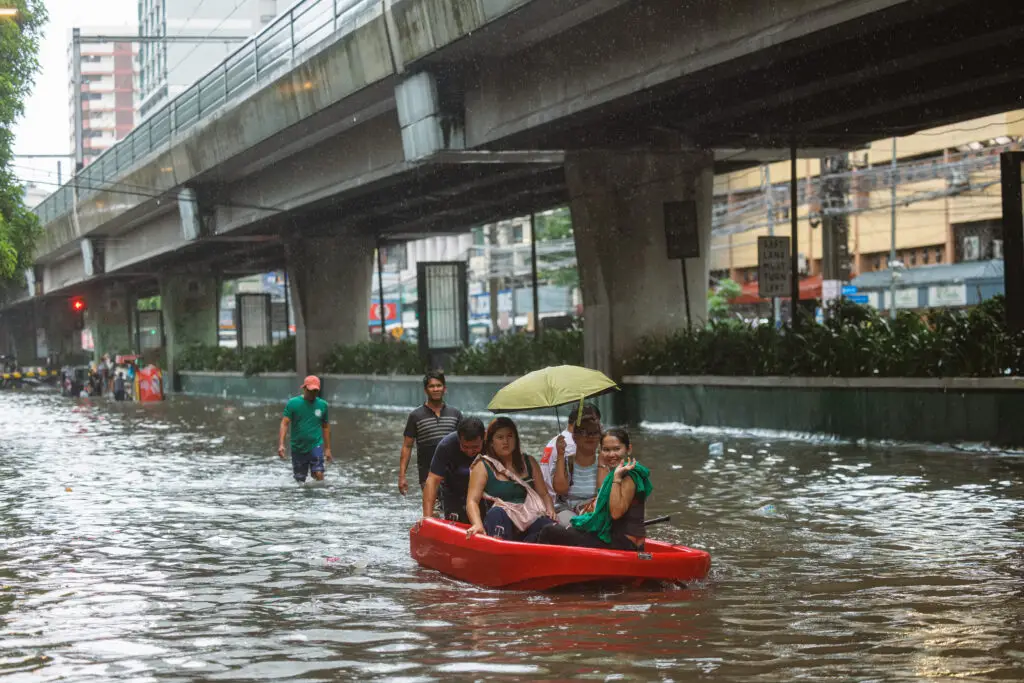
Without protection, the South China Sea face threats of overfishing, illegal, unreported, and unregulated (IUU) fishing, plastic pollutionLocal Climate & EcologyPlastic pollutionThe accumulation of synthetic plastic products in the environment, adversely impacting wildlife, habitats, and human populations.Read more in the Glossary →, climate change, and potential deep-sea mining.
Its loss will be profound as our most biodiverse marine ecosystems can be found there:
- The CoralLocal Climate & EcologyCoral reefs & bleachingMarine ecosystems that are highly sensitive to thermal stress, where elevated sea temperatures cause corals to expel symbiotic algae (bleaching).Read more in the Glossary → Triangle, hosting 76% of all known coral species and supporting the livelihoods of over 100 million people across Southeast Asia;
- Critical spawning grounds for tuna, mackerel, sardines, and other commercially important species that sustain regional food securityLocal Climate & EcologyFood securityThe consistent physical and economic access to sufficient, safe, and nutritious food.Read more in the Glossary →;
- Migration routes for endangered marine megafauna including whales, dolphins, sea turtles, and sharks;
- Deep-sea ecosystems vital to global climate regulation as ocean waters absorb 30% of global CO2 emissions and produce 50% of the oxygen we breathe.
Furthermore, establishing it as the Asia Marine Peace Park creates an opportunity for shared stewardship and regional cooperation. The proposal positions the Philippines as a leader in diplomatic action founded on science-based ocean conservation.
How to sign the petition
Petitioners are calling on the Philippine government to:
- Formally endorse the establishment of Marine Reservations for Future Generations as a national policy priority;
- Initiate preparation of a comprehensive BBNJ Marine Protected AreaPH Laws & FrameworksProtected areas (NIPAS)Lands and waters legally set aside for conservation under the National Integrated Protected Areas System (NIPAS), from national parks to protected seascapes.Read more in the Glossary → proposal for the Asia High Seas using the BBNJ framework;
- Establish a multi-stakeholder taskforce with relevant parties to guide proposal development and ensure inclusive, transparent processes;
- Engage partners at the regional level to build a united ASEAN bloc and co-sponsorship for the Asia Marine Peace Park proposal;
- and submit a proposal to the Conference of the Parties of the BBNJ Treaty at the earliest opportunity.
Read the full petition and support the movement here.