

Issue 01 · The Waste Issue
Editor’s Note
Letter from the Editor
Issue 01 · The Waste Issue
Masthead
Writers
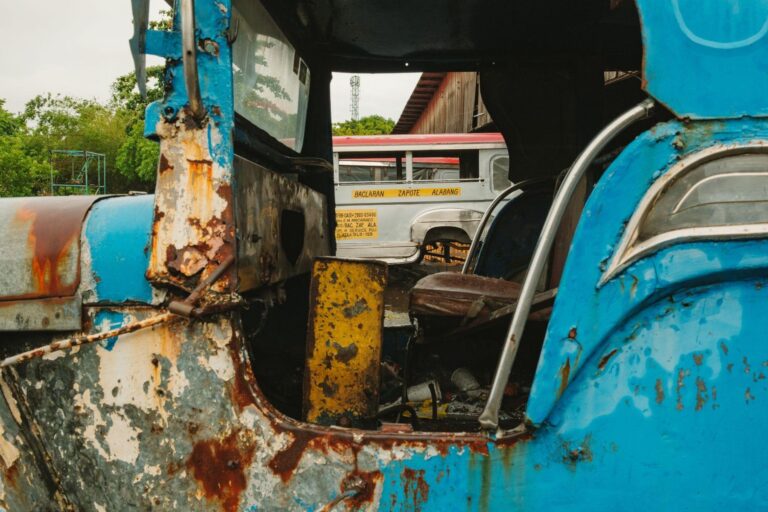
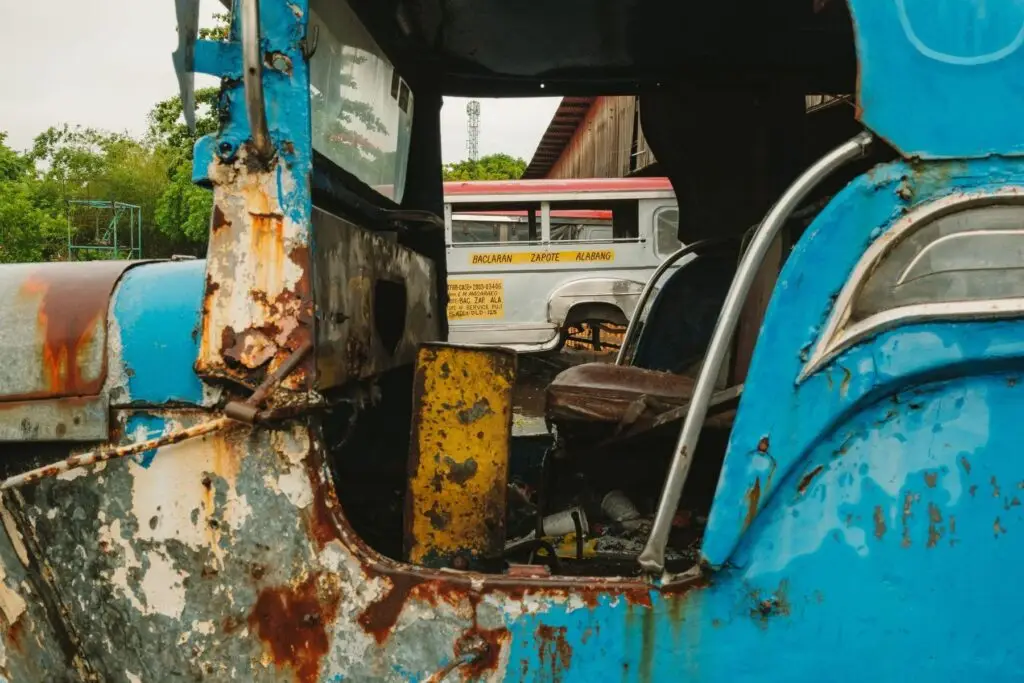
Anton Andres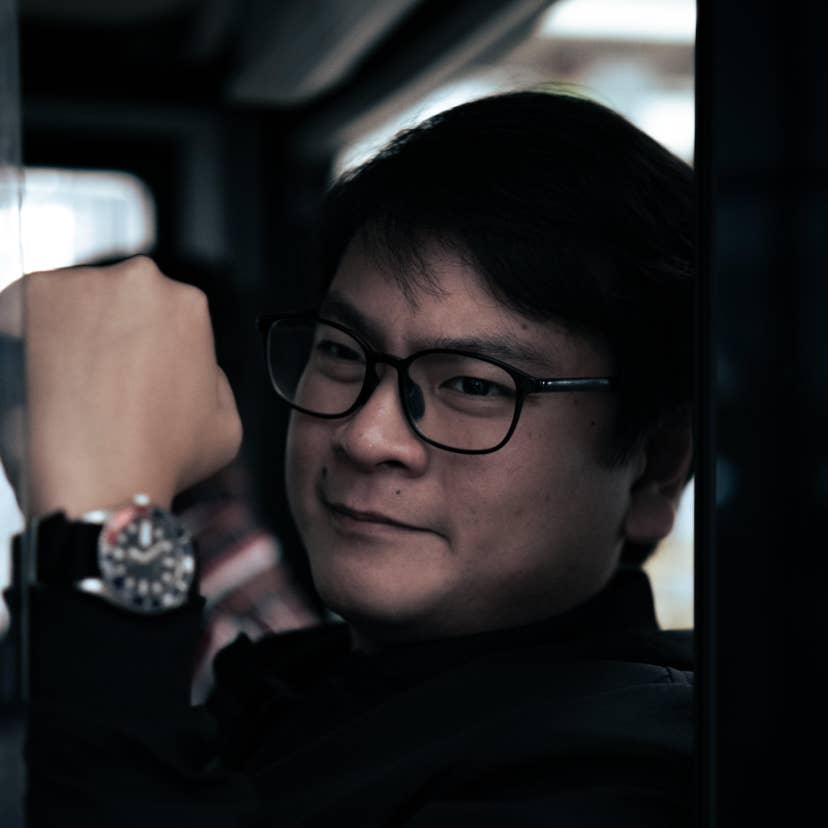 Anton AndresWriter JeepneysAnton Andres has loved cars all his life and has covered the automotive industry for over a decade, both locally and internationally. He has seen the world of mobility evolve firsthand, and has witnessed how automakers have been moving forward with all the environmental challenges that surround them. He also believes that loving cars and being environmentally responsible don’t have to be mutually exclusive.Read “When Jeepneys Outlive their Drivers” → Denise Gonsalves
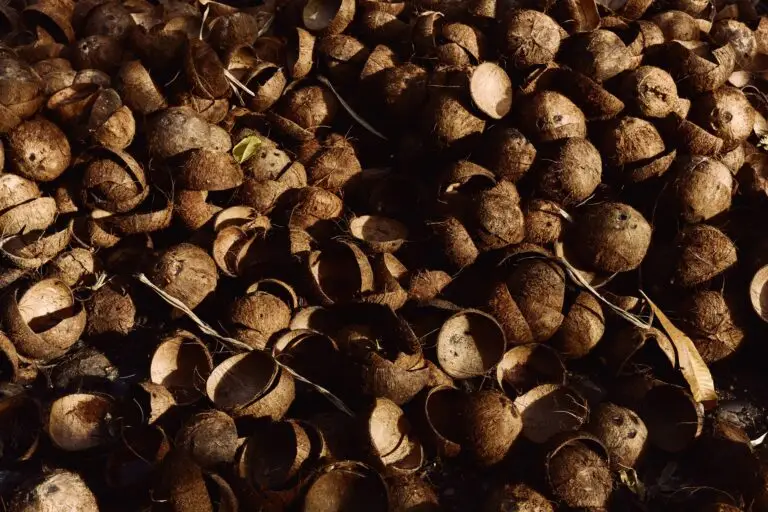
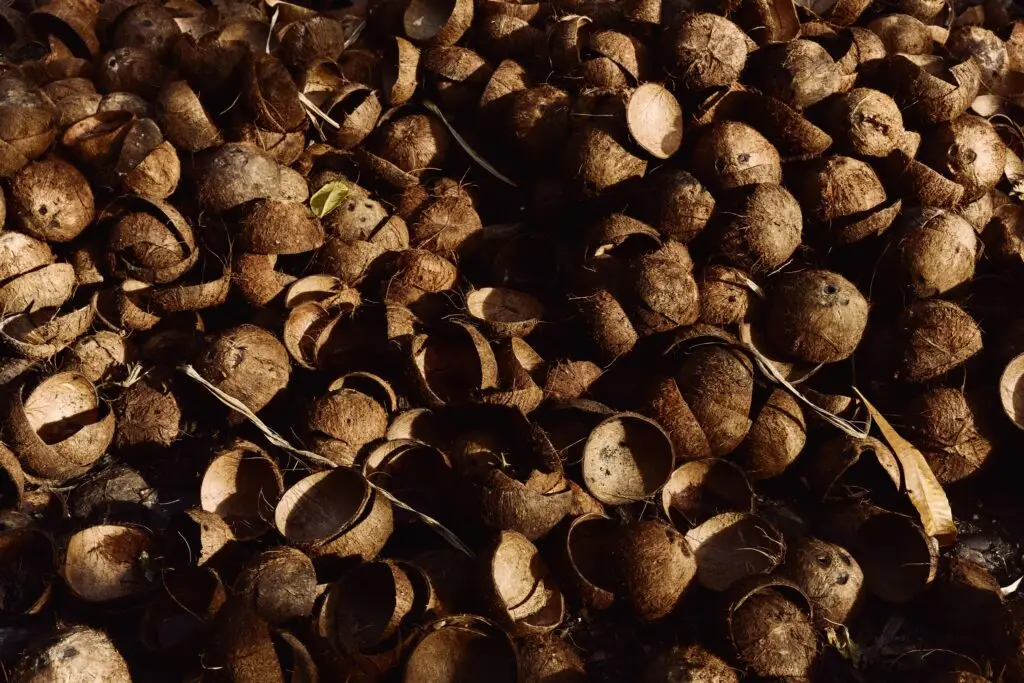
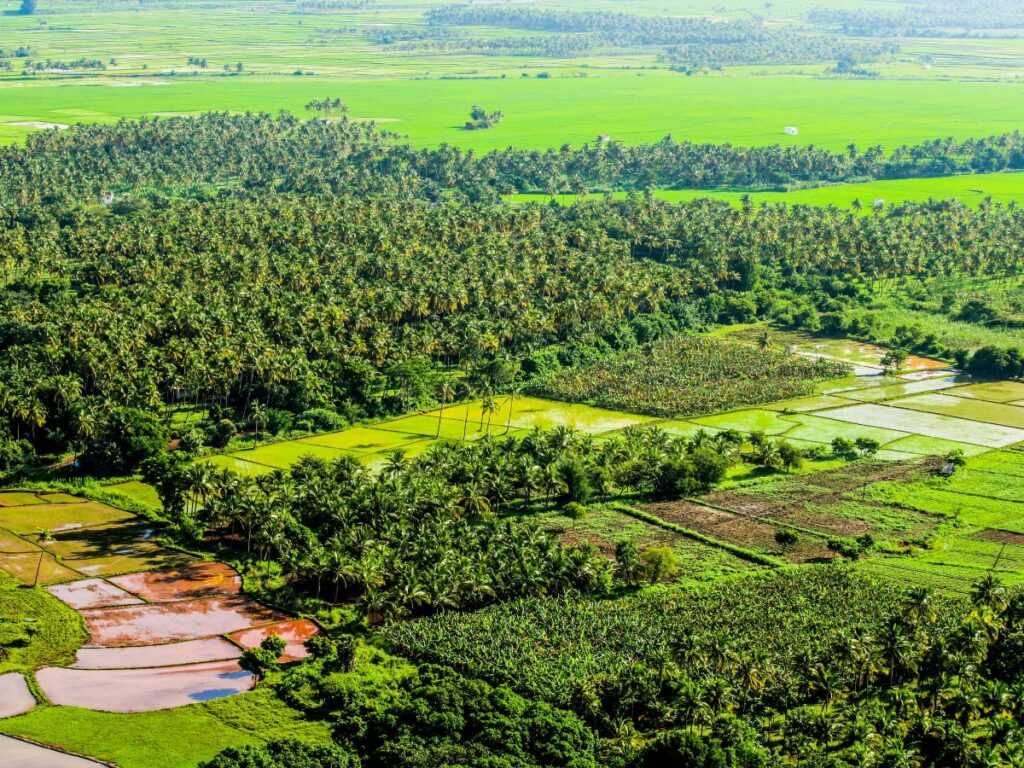
 Denise GonsalvesWriter CoconutsDenise Gonsalves is Editor at Sustina. She is a Manila-based journalist, editor, and science communicator covering climate and the environment. A former travel and lifestyle writer, she now reports on biodiversity, oceans, and climate justice. Her byline has appeared in Asian Scientist Magazine and GRID Magazine.Read “The Women Waiting in Coconut Country” → Sofia Guanzon
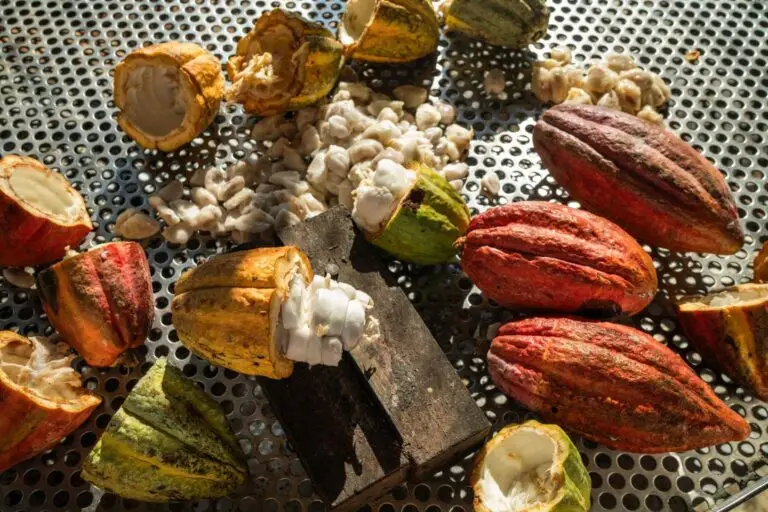
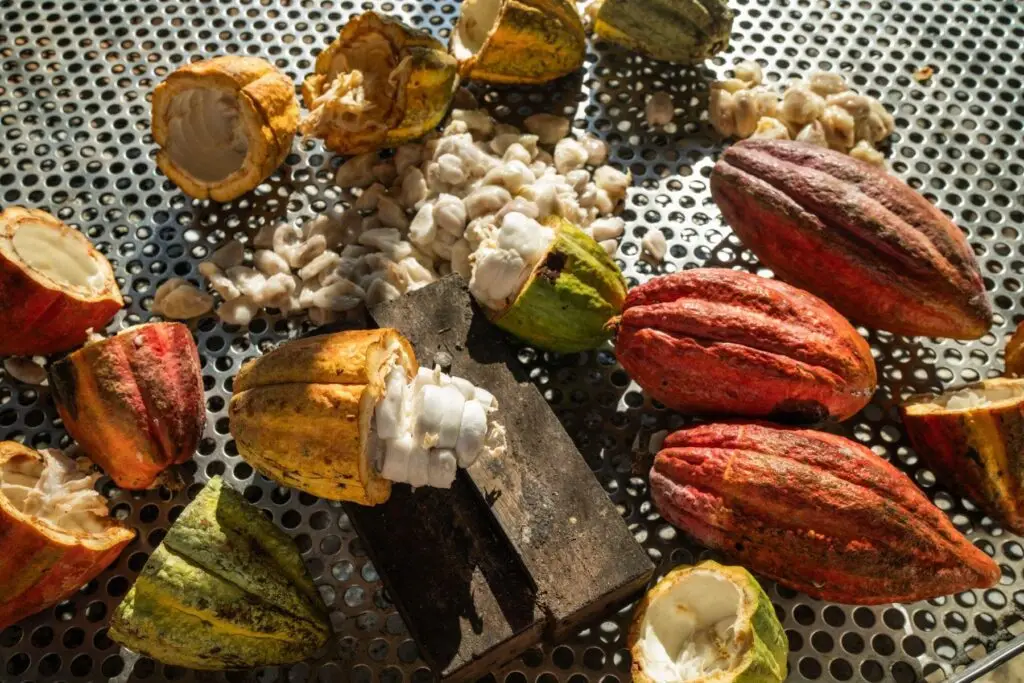
 Sofia GuanzonWriter CacaoSofia Guanzon is a freelance writer and researcher based in Manila, Philippines. Her work explores the intersections between political engagement, art, and climate in the digital space, with a strong focus on women and sustainability.Read “What the Agriculturists Leave Behind” → Jessie Jiang
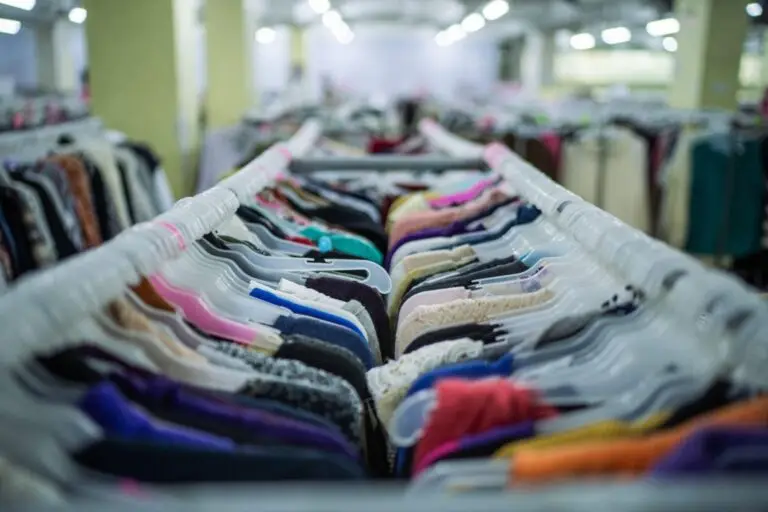
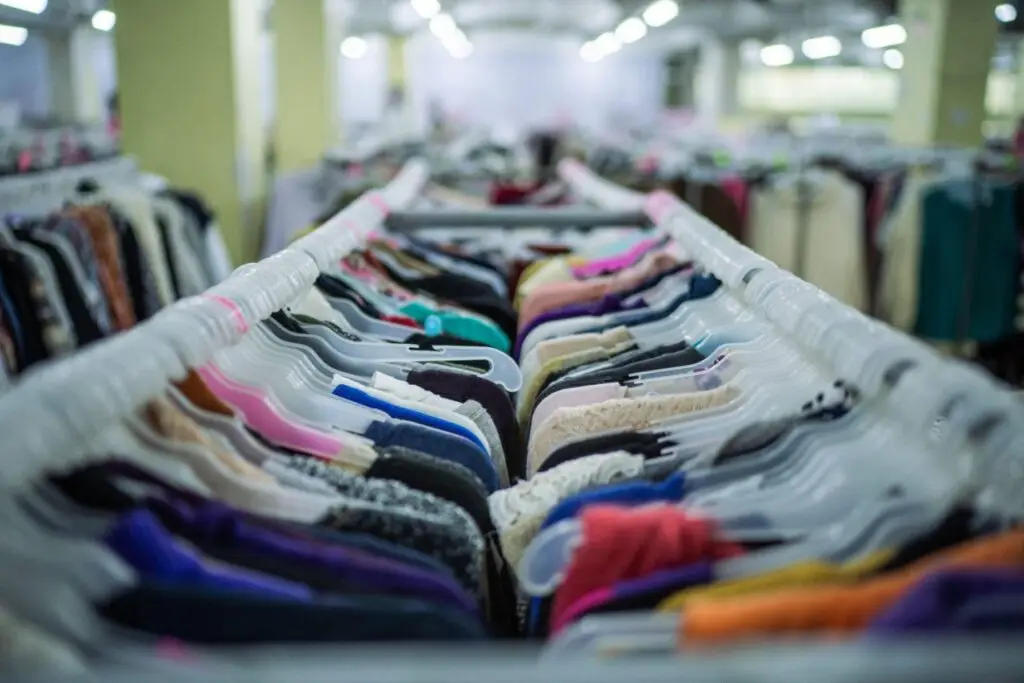
 Jessie JiangWriter Ukay-ukayJessie Jiang is a Manila-based writer and former TIME Magazine reporter who writes about sustainability, circular systems, and the curious ways people use, reuse, and rethink the things around them. She is also the founder of Basically Borrowed, a community that brings sustainability into everyday life through stories, conversations, and events.Read “The Eternal Business of Ukay-ukay” → Pauline Nacar
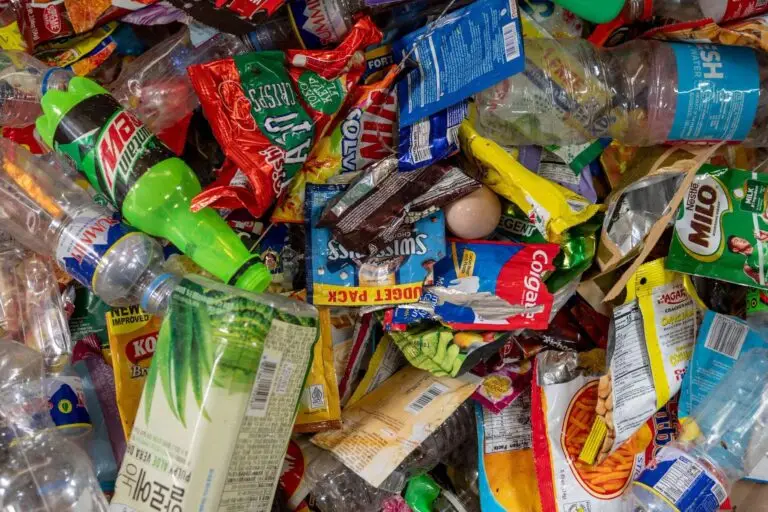
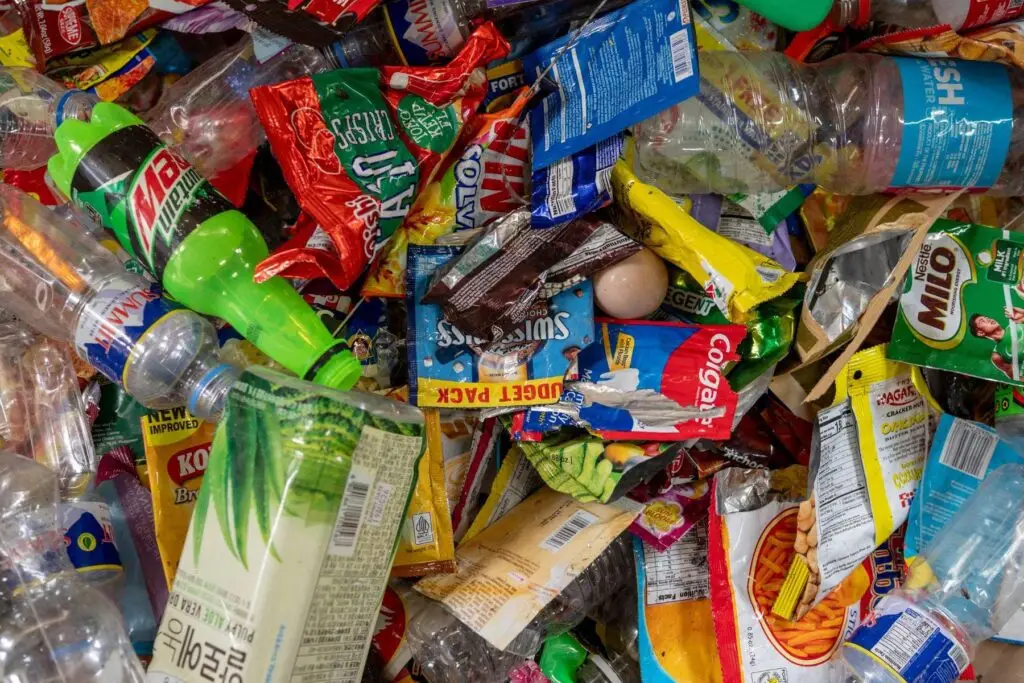
 Pauline NacarWriter SachetsPauline Nacar is Editor at Sustina, where she monitors the sustainability media landscape of the Philippines. She writes explainers with a focus on business, policy, and community initiatives. Previously, Nacar was an associate editor at adobo Magazine, where she covered the advertising and creative industry in the Asia-Pacific region.Read “The Barangay that Lives With Plastic” → Marco Sumayao
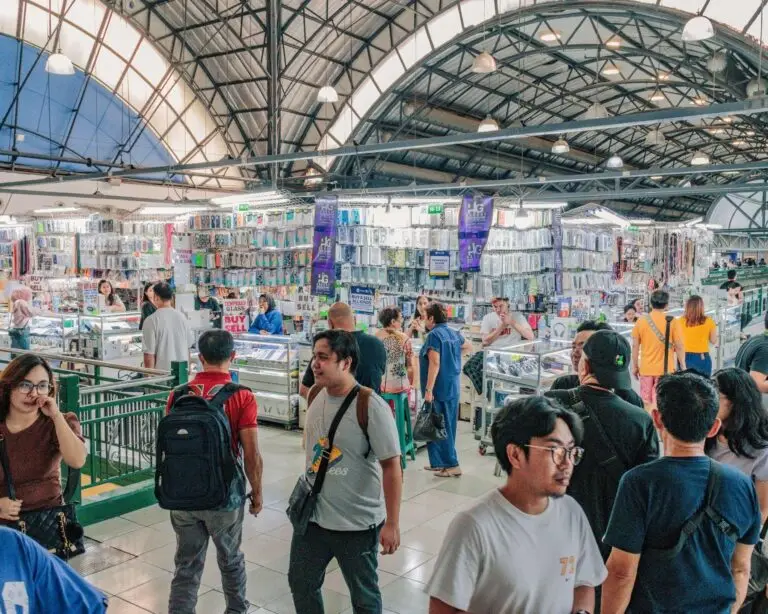
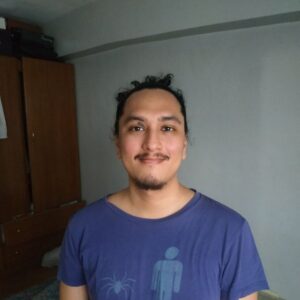 Marco SumayaoWriter E-wasteMarco has been a freelance writer for most of his career, with occasional stops at the likes of Vibal Publishing House, Summit Media, and adobo Magazine. While his bread and butter mostly revolves around food writing these days, he’ll jump on any chance to cover the arts, do profiles on people, and write in support of his advocacies. If you ever run into him, ask about his graphic novel-in-progress.Read “No Country for Old Phones” → Nina Unlay
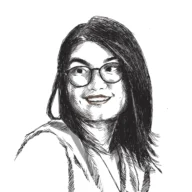 Nina UnlayWriter JeepneysNina Unlay is Co-founder and Editorial Director of Sustina, previously the editor-in-chief of GRID Magazine and editorial director of adobo Magazine. She covers sustainability, socioeconomic issues, and culture, with a byline that appears in publications like Mongabay, Business Insider, Inquirer, Manila Bulletin, Esquire, and others.Read “When Jeepneys Outlive their Drivers” →
 Photographers
Colin Dancel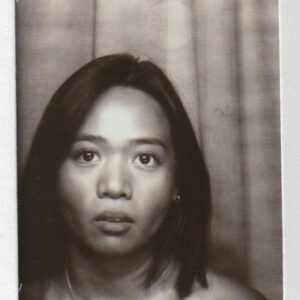 Colin DancelPhotographer CoconutsColin Dancel is a Filipino image-maker and photographer. Led by curiosity and a primal desire to create, her works often depict beauty born of persistence and imprints of movement—she’s drawn to work that breathes beyond the confines of a page, challenges the notion of stillness, and addresses a yearning for tactility.Read “The Women Waiting in Coconut Country” → Lisa Marie David
 Lisa Marie DavidPhotographer SachetsLisa Marie David is a Filipina freelance visual journalist with an interest in documenting issues concerning women, children, and the environment. She is a regular contributor to Reuters and Bloomberg and had her work published in CNN, Libération, among others. At present, she is working simultaneously between assignments and personal documentary work. She is a member of Women Photograph and Diversify Photo.Read “The Barangay that Lives With Plastic” → Martin San Diego
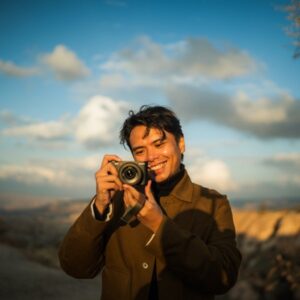 Martin San DiegoPhotographerUkay-ukay CacaoMartin San Diego is an independent Filipino documentary photographer. He photographs the different manifestations of resistance: from subtle acts of remembering, to established armed movements. Martin works for The Washington Post on long-form stories in the Philippines, and has been funded and published by National Geographic.Read “The Eternal Business of Ukay-ukay” →Read “What the Agriculturists Leave Behind” → Dominic Pamatmat
 Dominic PamatmatPhotographer E-wasteDominic Pamatmat is a Manila-based travel, culture, and commercial photographer. He’s captured fine art, local cultures, social and environmental justice as well as other artistic and commercial work. His images have appeared in Rolling Stone Philippines, Vogue Philippines, and Spot PH.Read “No Country for Old Phones” → Jilson Tiu
 Jilson TiuPhotographer JeepneysJilson Tiu is a Manila-based photographer and photojournalist. His work spans social, environmental, cultural, and culinary narratives, documenting moments that reflect heritage and identity—from street life to rural scenes.Read “When Jeepneys Outlive their Drivers” →
 Editorial Director
Nina Unlay Creative-at-Large
Chaz Requina Contributing Photo Editor
Fruhlein Econar Art
Sam Macaisa The Waste Issue
Six things going to waste