A social enterprise that transforms non-biodegradable waste, such as discarded tarpaulins, old kayaks, and plastic packaging, into durable, functional bags and everyday Read more...

Featured · Climate & Conservation


News and stories about the greatest challenge of our time, and the Filipinos fighting to conserve the natural world.
Explore Climate & Conservation

What businesses, government agencies, and financial institutions are investing in green initiatives, and whether it's working.
Explore Capital
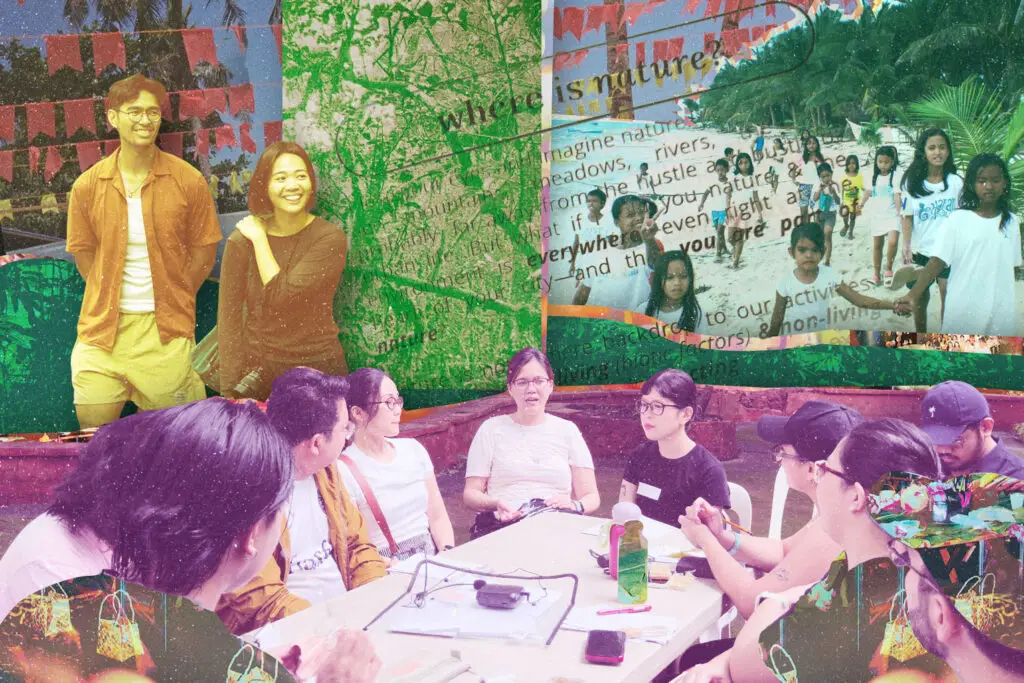
The unwritten rules and practices shaping how Filipinos show up for land and community.
Explore Culture
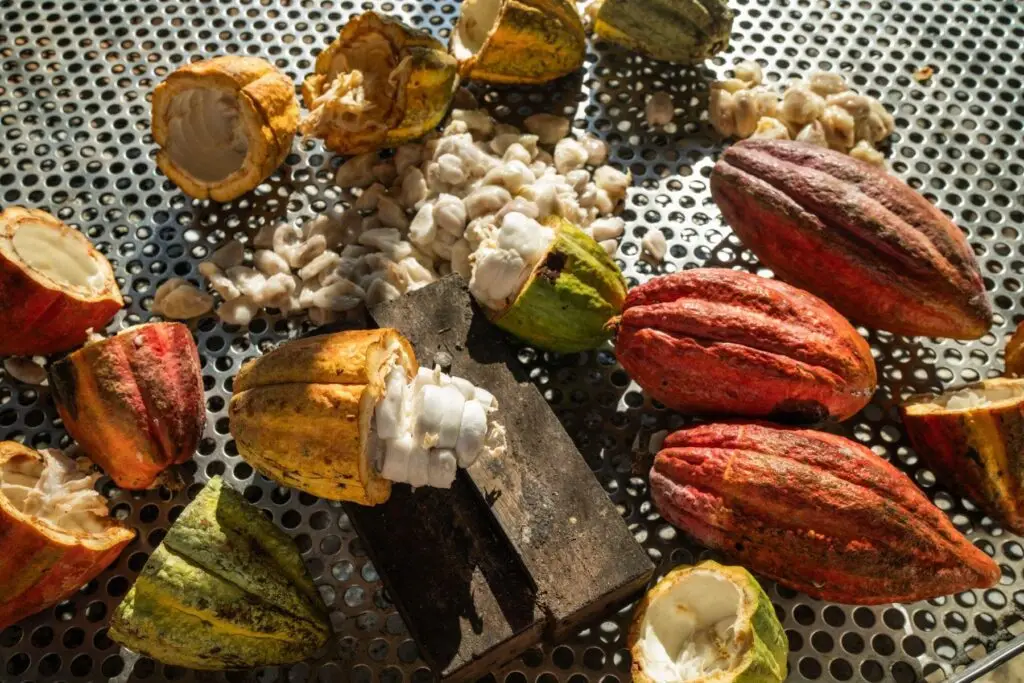


Scientific discoveries from the edges of research that reveal big truths about the world and its environment.
Explore Science


Discover Philippine businesses and projects designing out waste. Browse the map, search by keyword or location, and filter by sector to find circular-economy partners across the country.

For as long as humans have lived, we have learned how to reuse, repair, and recycle the things that we need. Today, as the world produces new materials at a scale never seen before, there are those attempting to reuse, repair, and recycle at the same scale.
The term “circular economy” was first used formally in the 1990s, posed by economists as an alternative to the current linear economy where businesses take resources, make products, and then leave behind waste. It asks two questions: What if businesses were responsible for the waste they left behind? And secondly, what if we could design waste out altogether?
Beyond just avoiding waste, a circular economy asks society to rebuild natural systems that we have lost, rather than continuing to extract from them — taking cues from pre-colonial, indigenous knowledge that only takes what is needed from the land.
Across the globe, countries are already shifting to circular models: The European Union wants to double its overall circularity rate from around 12% to 24% by 2030, with a new Circular Economy Act due in 2026 to turn the EU into a global leader. In Asia, Japan has had a national circularity framework in place for over two decades, while Taiwan is aiming to release a roadmap by the end of 2026.
In the Philippines, national circular economy laws are still pending legislation.
Mapa Sustina is a geo-referenced map of circular and nature-positive solutions across the Philippines. It is a visual reminder that despite the absence of a circular economy bill, circular businesses and projects are already here.
All of these businesses or projects either prevent waste before it happens (Refuse, Rethink, Reduce), keep a product useful for longer (Reuse, Repair, Refurbish, Remanufacture, Repurpose) or give new purpose to products that have reached the end of their lives (Recycle, Recover).
Yes, if it recycles or reuses waste, extends product life, or provides a nature-positive alternative to wasteful processes.
There is no fee for applying or for being listed, however all organizations must be screened by the Sustina Lab team. We can only consider those with a demonstrable record of measured impact. (This can be in the form of certifications, impact reports, and other documents.) If this applies to you and your work, apply here.
Sorry, no records were found. Please adjust your search criteria and try again.
Sorry, unable to load the Maps API.
Help us grow the Philippines’ directory of circular solutions by applying below and going through Sustina Lab’s simple vetting process.
Sustainability doesn’t have to be complicated—our sessions break it down into something you can actually use. Just ask our growing community of founders and fixers.
Fellowships are open to individuals from non-profits and grassroots organizations.
Please check your inbox to confirm your subscription. See you in the next Sustina Digest.