



What the Agriculturists Leave Behind
In Davao, the Fruit Basket of the Philippines, food waste is abundant. A family of chocolate makers is transforming it into a soil conditioner that feeds their award-winning cacao.
It is a week before the Kadayawan Festival when we arrive in Davao City. The air is ripe with the scent of durian—the king of fruits’ unmistakable odor blanketing the city. Kadayawan is the city’s annual thanksgiving celebration of good harvest and indigenous heritage.
As we make the hour-long drive from the city to Malagos Garden Resort, we are greeted by lush displays of mangosteen, marang, lanzones, rambutan, pomelo, and dragon fruit being sold by streetside vendors.
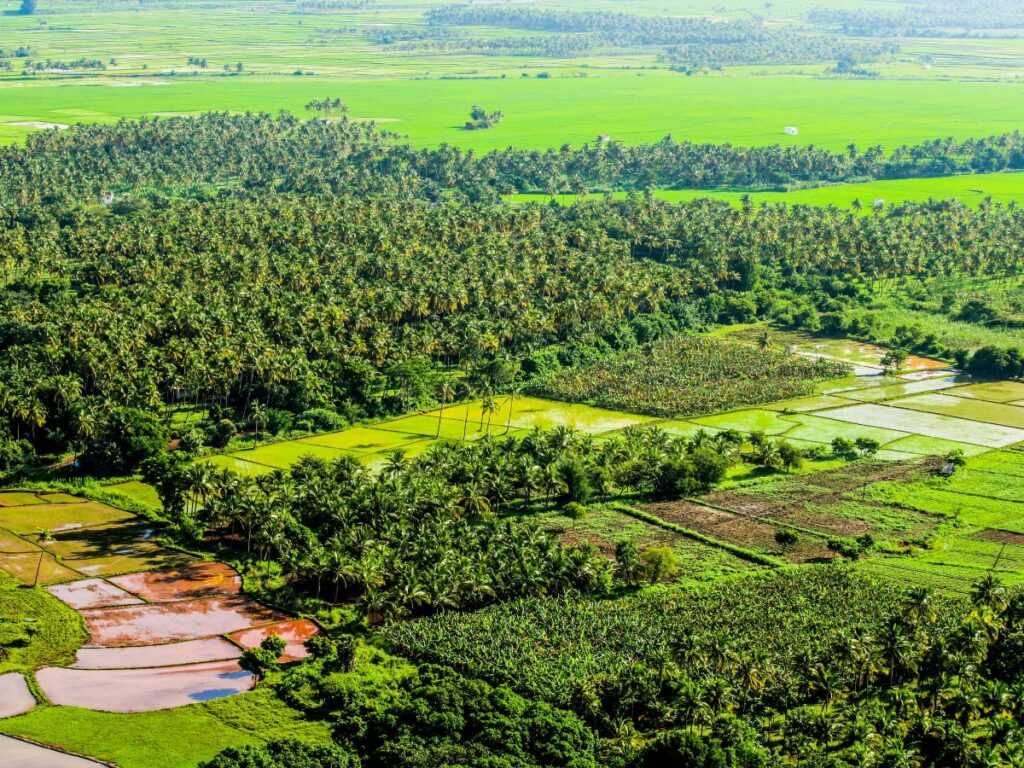
This is a place designed by nature to provide food. Davao is hailed as the Fruit Basket of the Philippines. Its fertile land, which owes much to its climate and biodiversityGlobal EssentialsBiodiversityThe variety of life at genetic, species, and ecosystem levels. Biodiversity loss is a material financial risk and a prerequisite for nature-positive investment frameworks.Read more in the Glossary →, supports a rich agricultural yield.
It is also known as the Philippines’ Cacao Capital, producing roughly 70% to 80% of the country’s total cacao output.
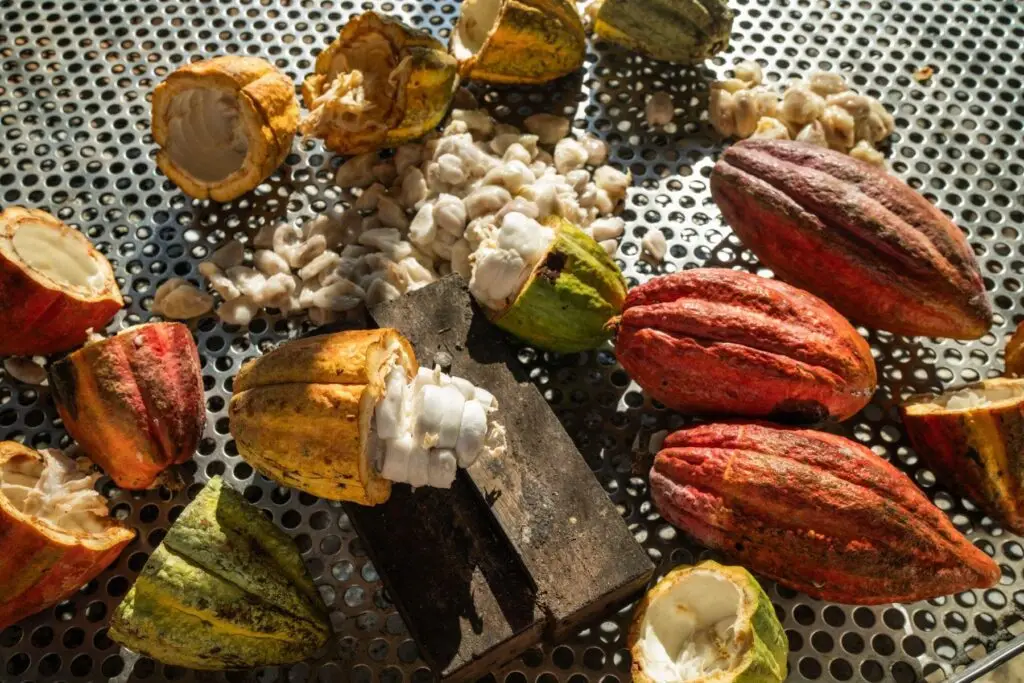
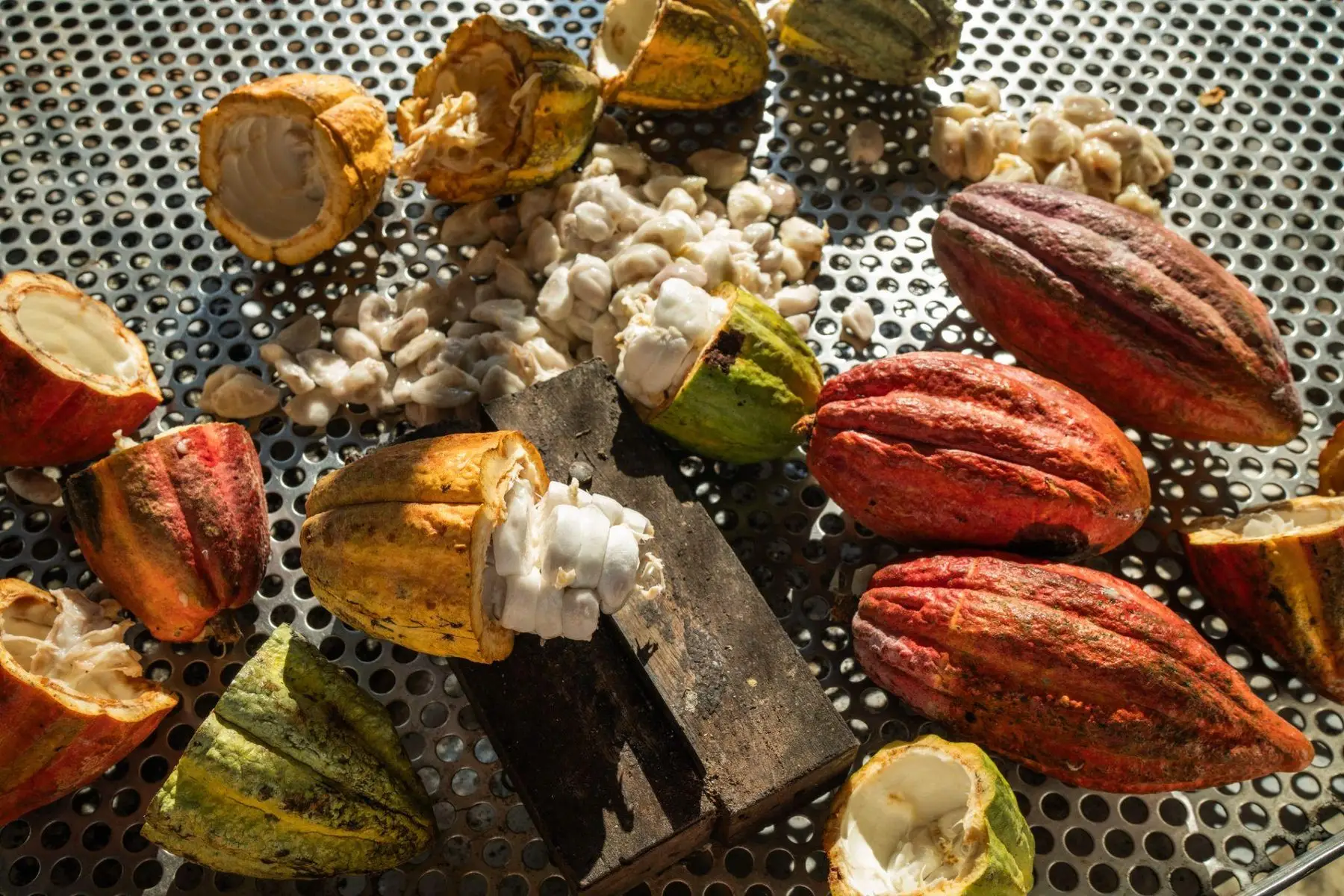
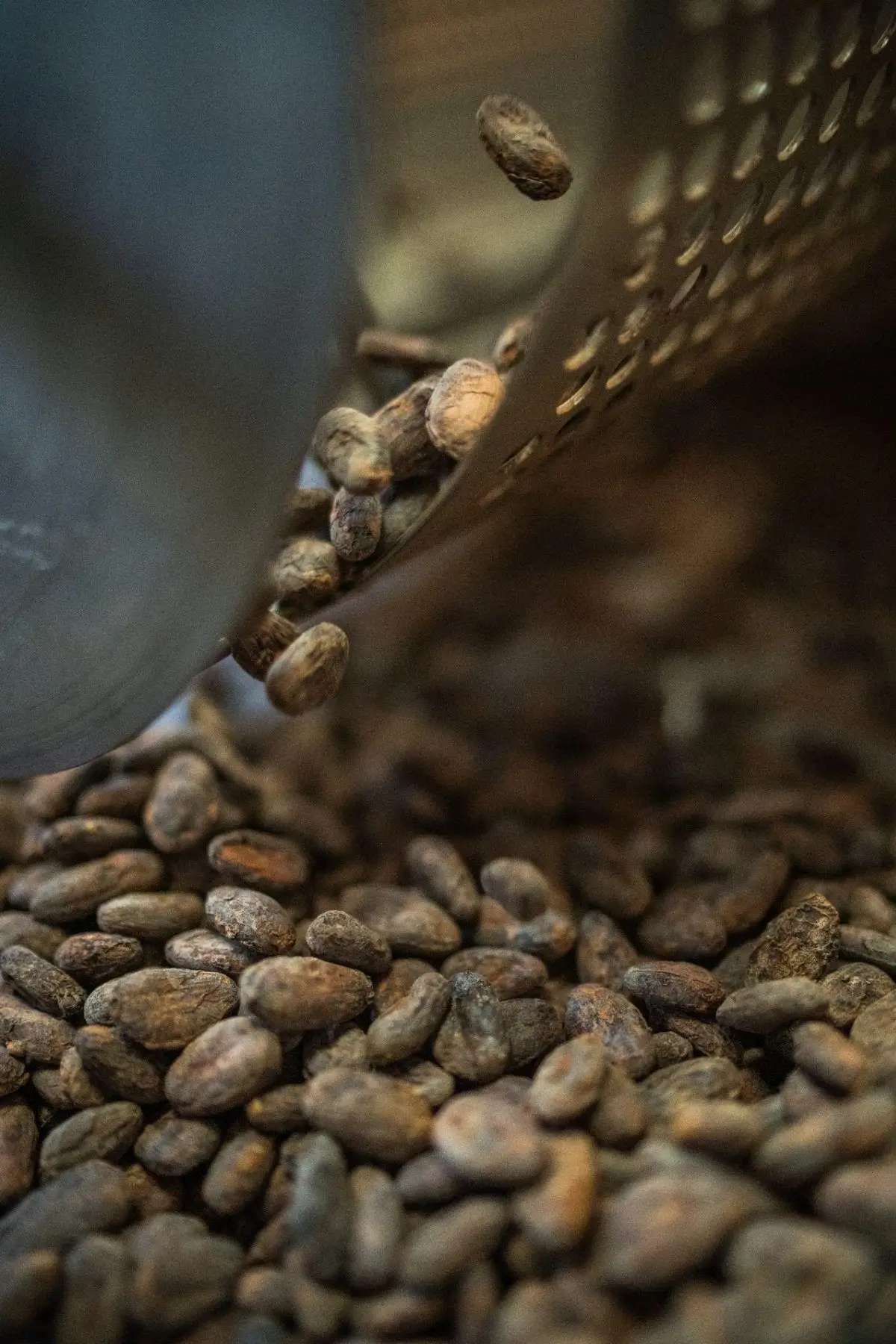
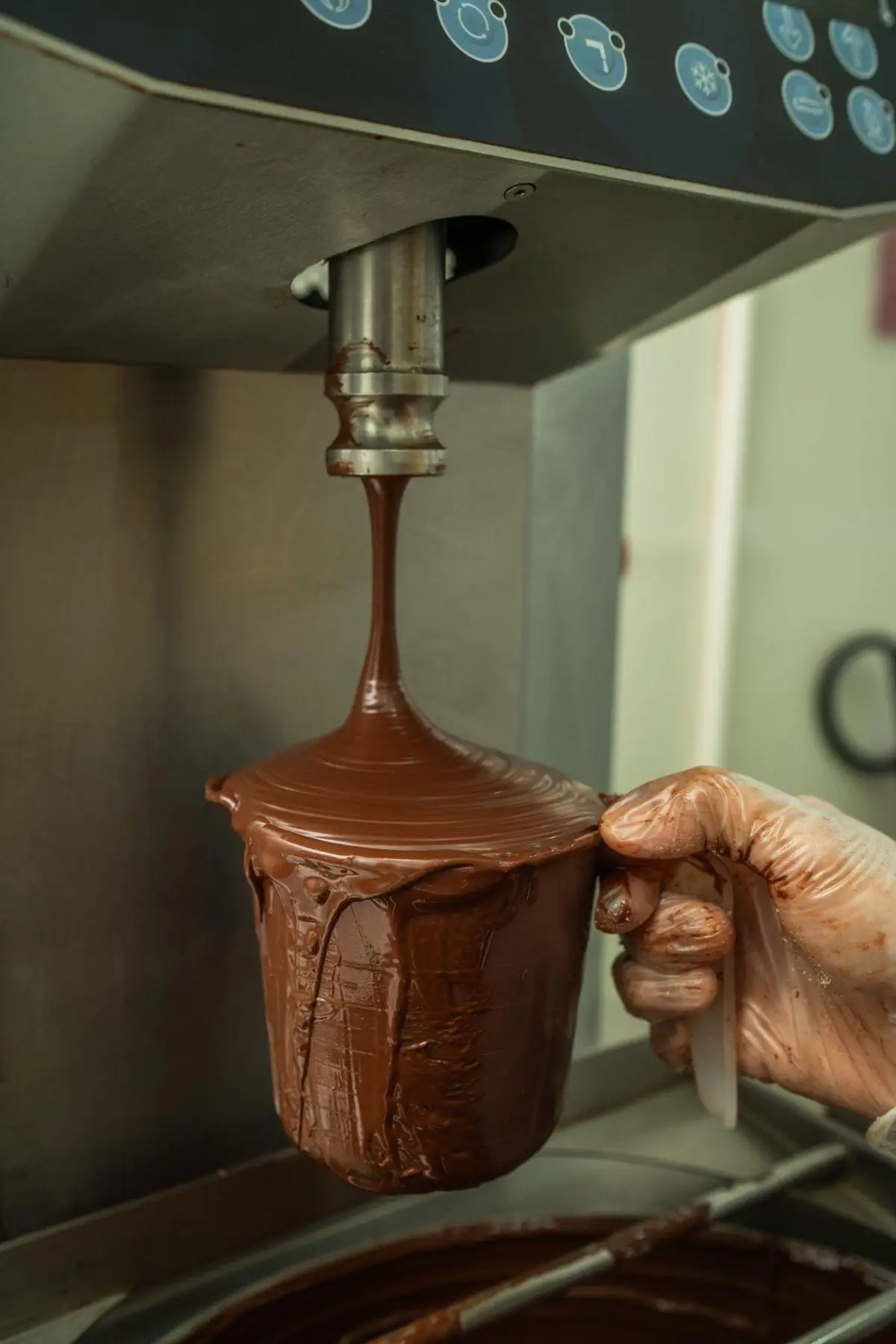
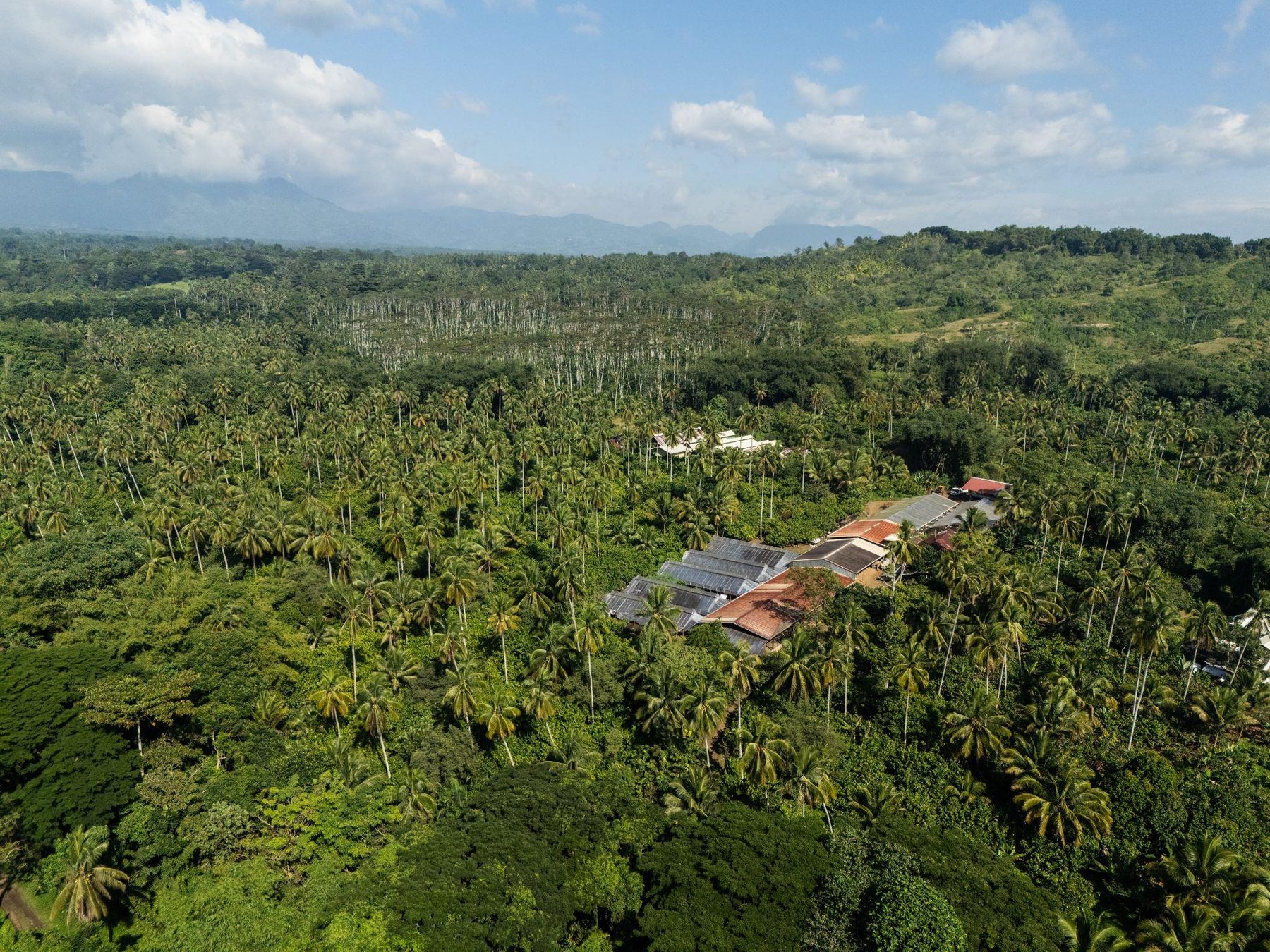
Cacao is the reason we are in Davao—to meet Rex Puentespina, a co-founder of the award-winning Malagos Chocolate. Originally started in 2012 by Charita and Robert Puentespina, Malagos Chocolate is known for its chocolate bars, which are made from cacao grown, harvested, fermented, and produced on their plantation at Golden Sunset Farm. The farm sits on shared land with the Malagos Garden Resort property, a popular eco-tourism spot.
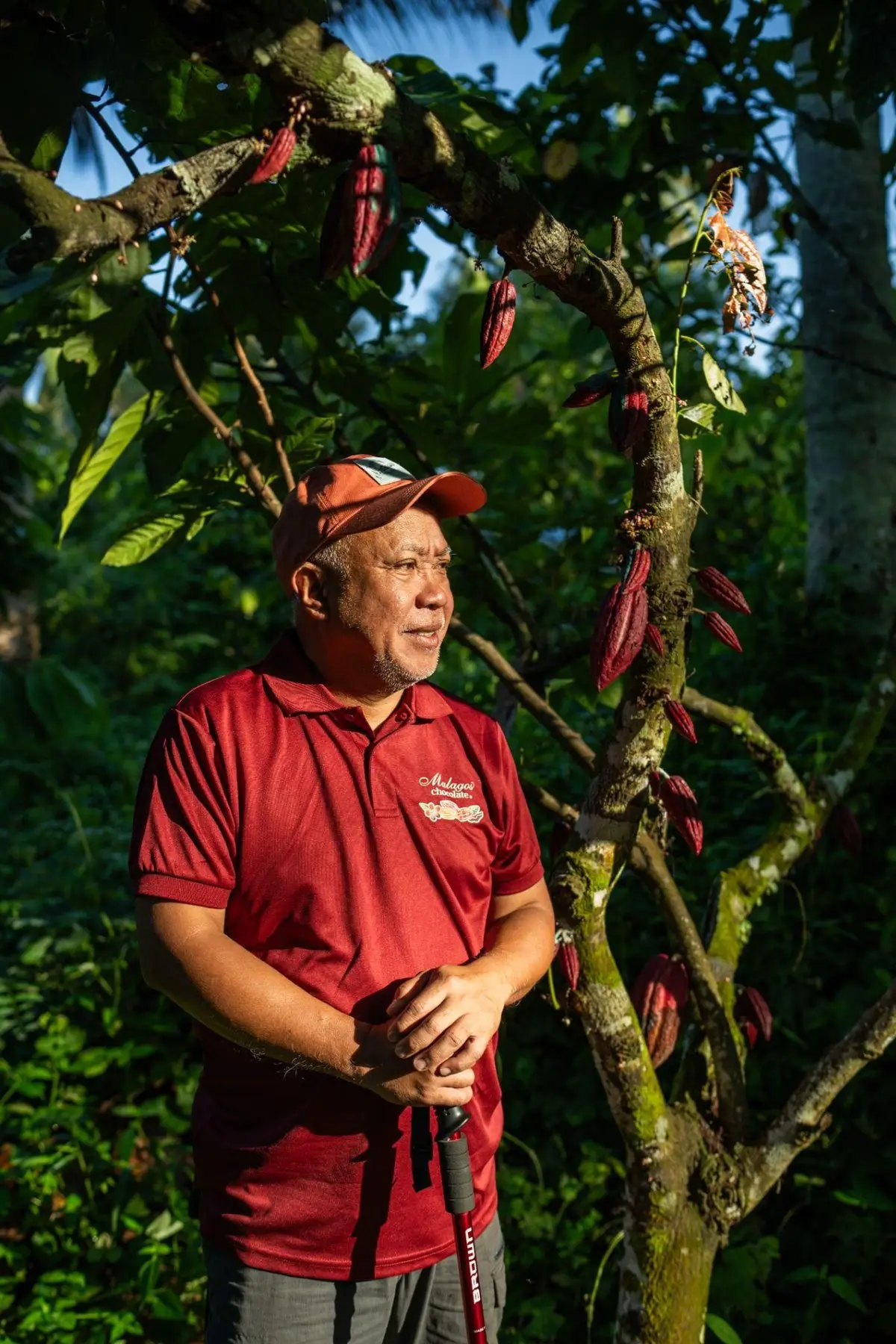
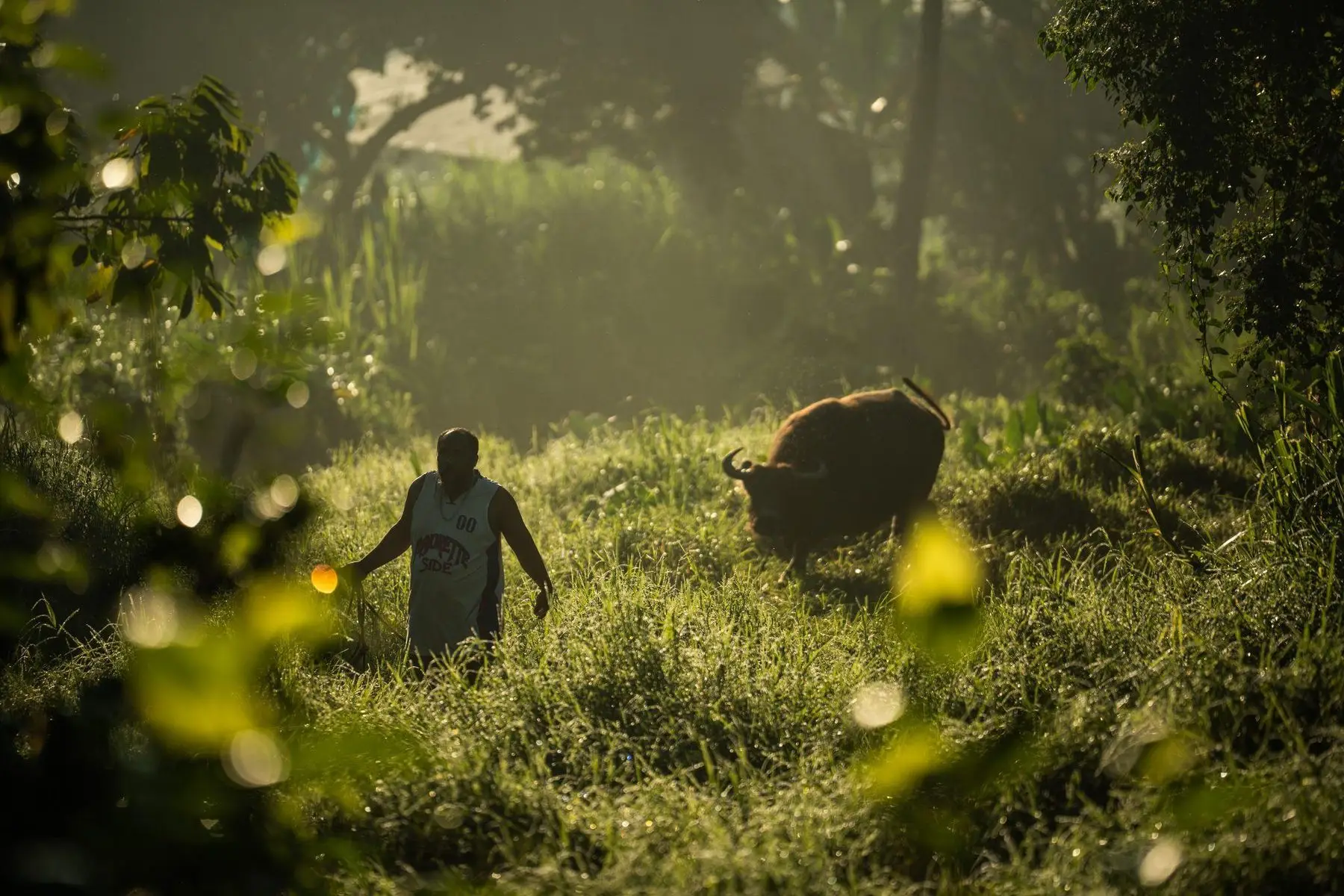
Rex arrives in a Land Cruiser well-suited to the muddy terrain of Golden Sunset Farm. As we tour around the sprawling 24-hectare property, he explains how growing cacao is a meticulous endeavor.
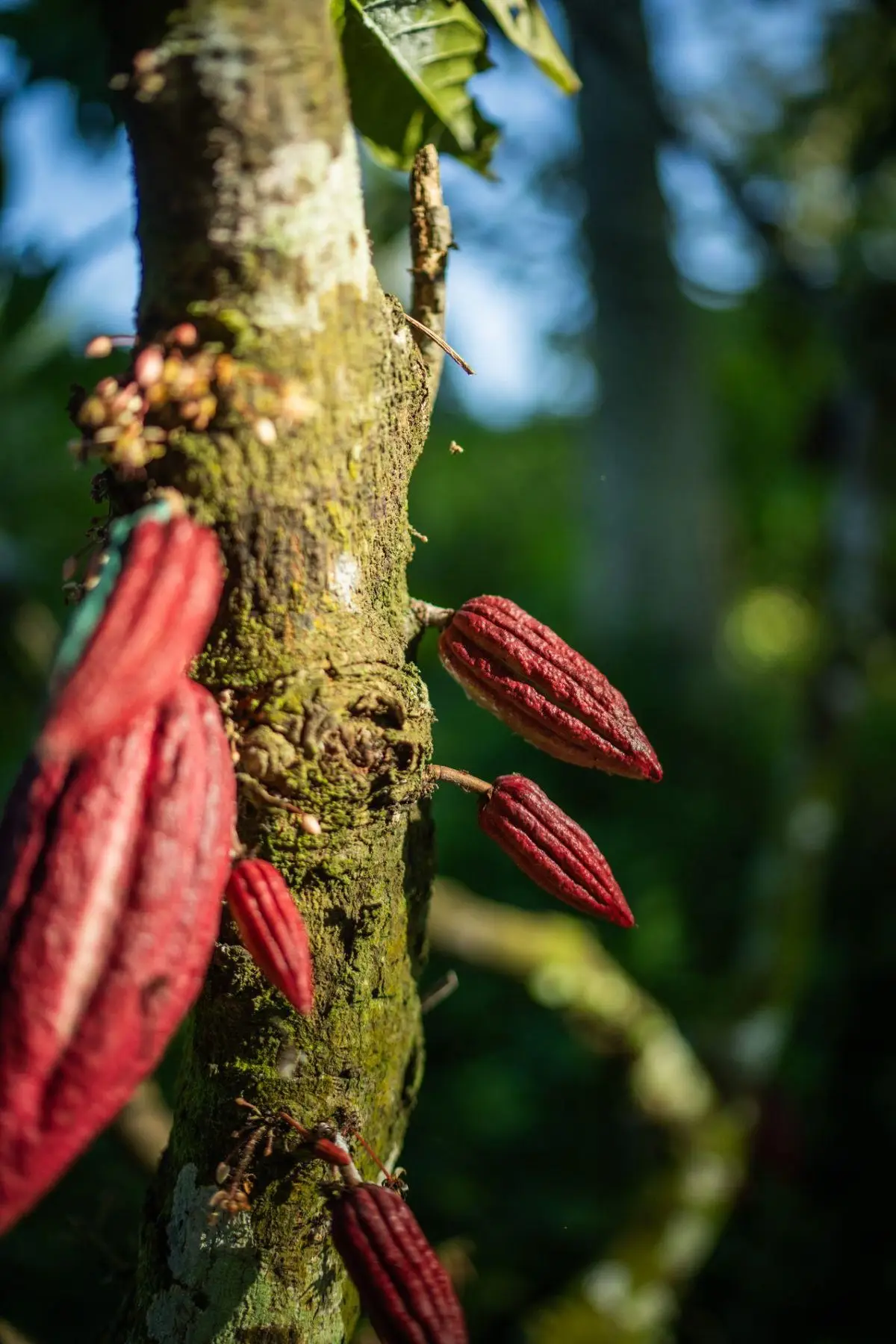
Cacao trees require daily maintenance and inspection, he says. The tree’s canopy must be kept in an inverted cone shape, which allows for the right amount of air circulation and sunlight. Every two to three months, cacao farmers prune the trees to increase pod yield, improve airflow, and protect them against pests and disease.
Ironically, despite all this hard work, many farmers will discard up to 80% of the fruit.
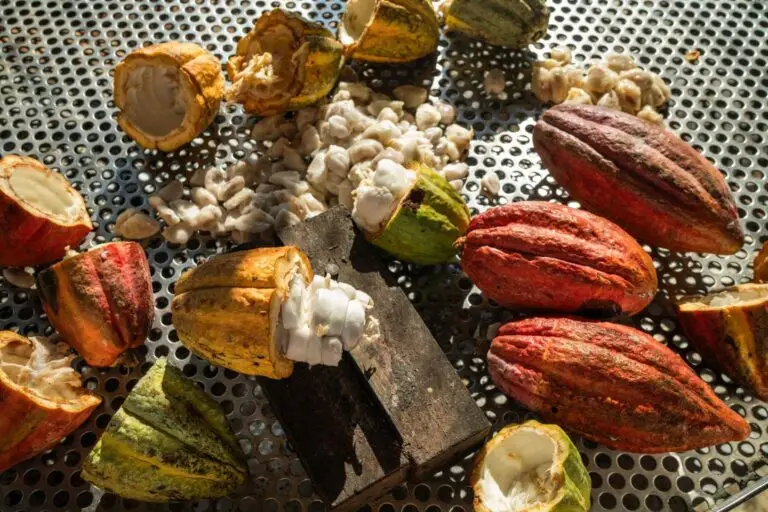
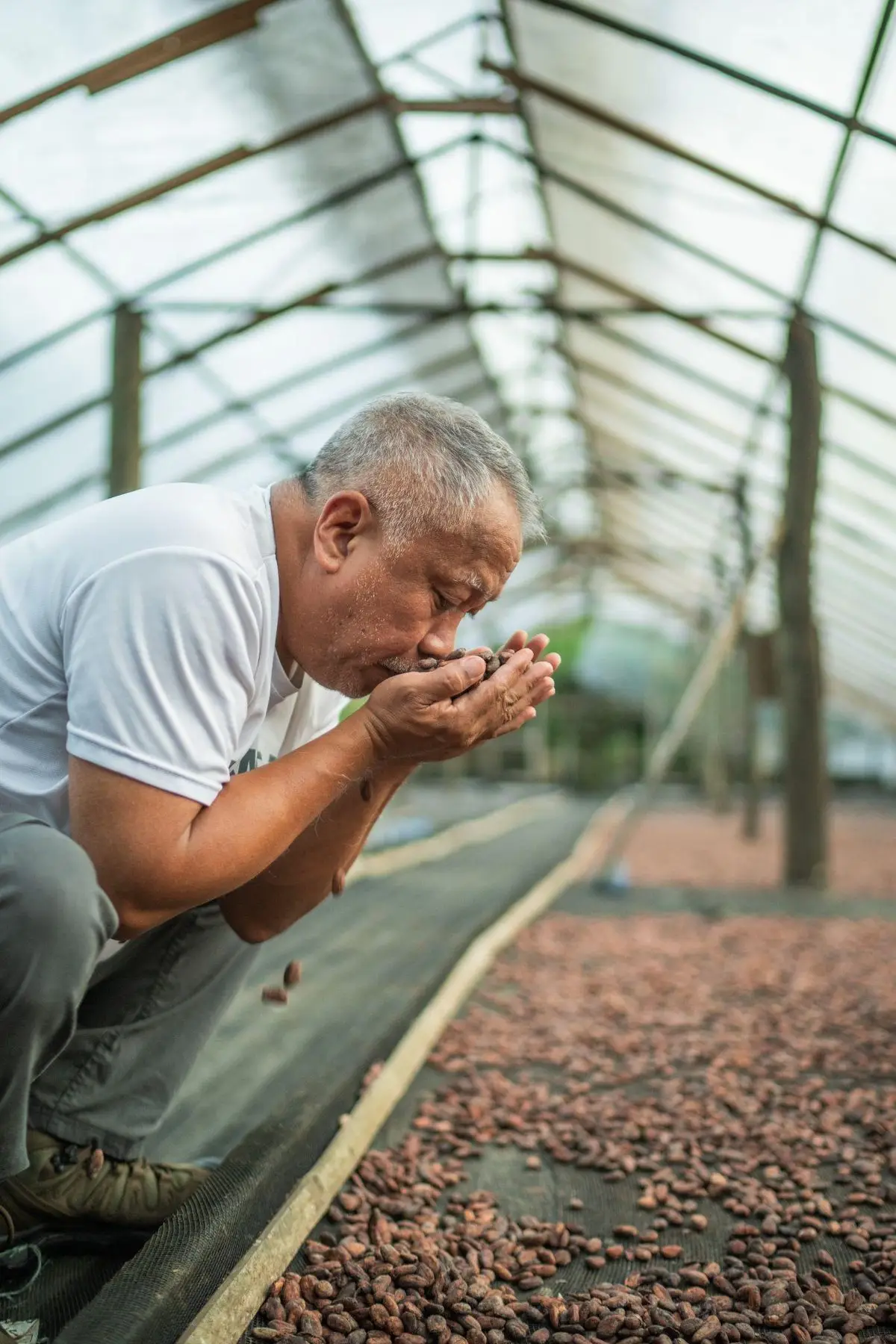
At Golden Sunset Farm, much of the work is in breathing new life into what is typically thrown away. The pod husks and cacao pulp are saved for compost. The cacao vinegar—a nutrient-rich byproduct of fermented beans—is pasteurized for agricultural use, or spiced into a culinary-grade vinegar for sauces. The farm also collects winnowed shells from roasted cacao beans and resells them as supplements for animal feed.
Yet despite all their efforts to use as much of the cacao fruit as possible on the farm, some waste is still left behind: oils, grease, and leftover residue.
What cannot be turned into food for humans can become food for the soil.
From chocolate to compost
Before there was Malagos Chocolate, there was cheese. And where there was cheese, there was Olive Puentespina.
Olive is the famed cheesemaker behind Malagos Farmhouse’s artisanal goat’s milk cheese—a special kind of cheese that can be made in the Philippines’ climate conditions.
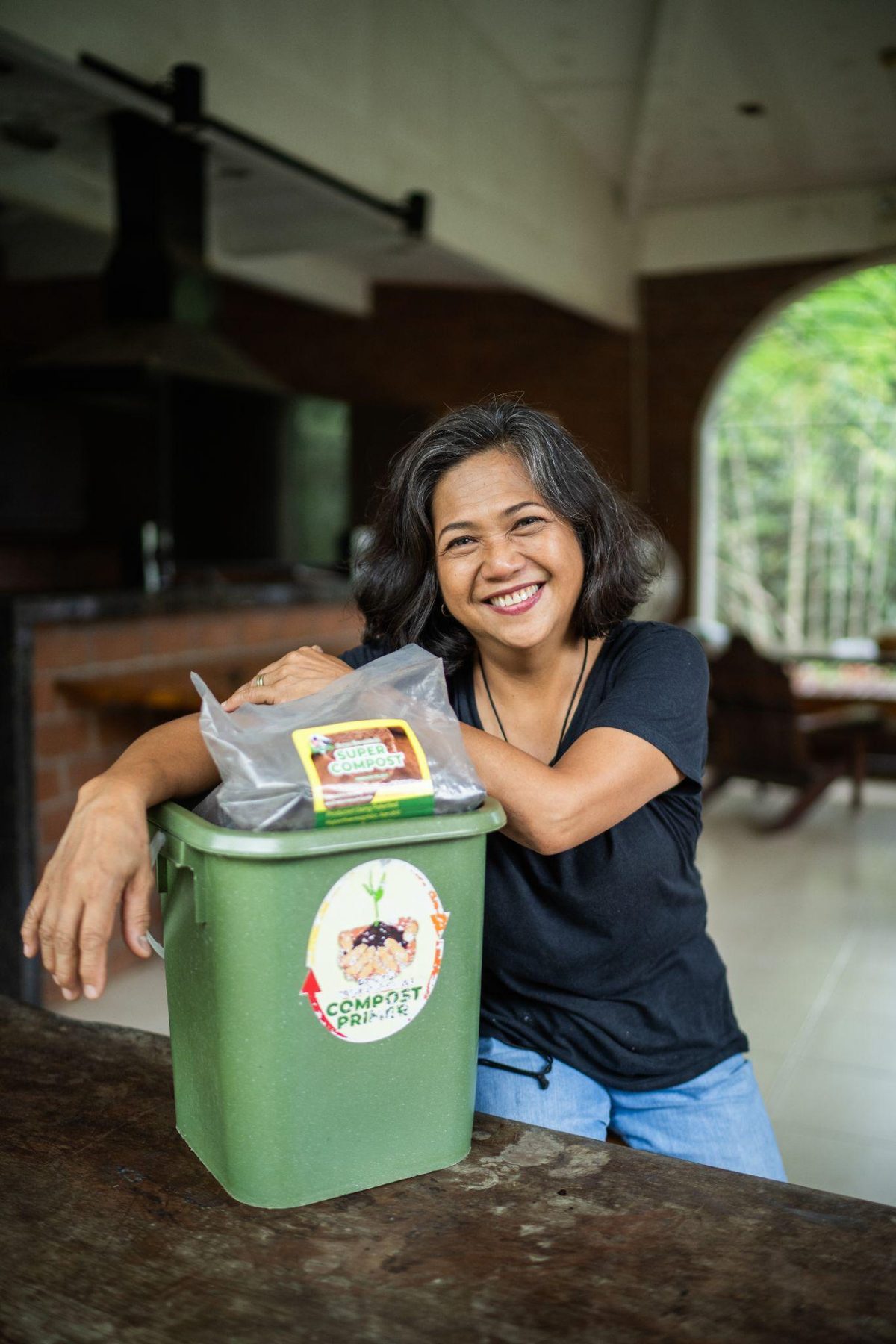
An agriculturist by training and cheesemaker by trade, Olive has witnessed the challenges and opportunities at every stage of the food production cycle. Now, her latest venture is tackling the country’s food waste as the Chief Executive Officer of Davao Thermo Biotech Corp. (DTBC).
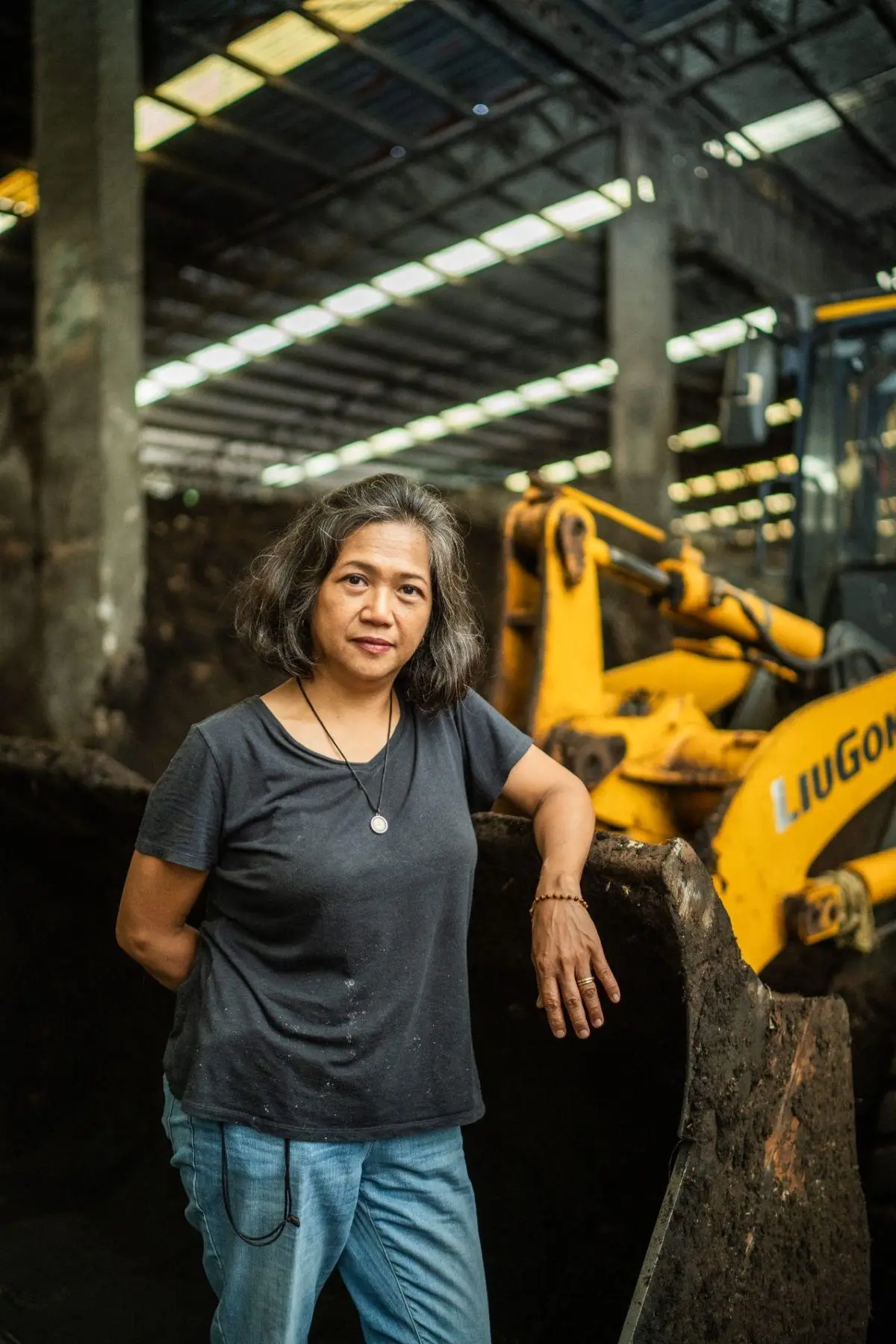
“The core is the same. The discipline as a person, as a business owner, it’s the same. The science is also the same. It’s fermentation,” Olive says, as she shares with us a spread of homemade merienda: pesto made from basil, salsa made from overripe tomatoes and steamed saba, all harvested from her home garden.
Olive explains that the practice of turning vegetables from her home garden into food products with longer shelf life has drastically reduced food waste in her household. For more than six years, she has been turning her household’s organic waste into compost.
In 2021, she decided to do the same for other people.
Founded by Dr. Bo Puentespina—Olive’s late husband and Rex’s brother—DTBC collects large-scale biodegradable waste from food producers and other clients and transforms it into regenerative bioproducts like soil conditioner.
What is now a full-blown business started out as Dr. Bo’s passion project: his personal experiments with biofertilizer on the family’s cacao farm, made from the same organic waste collected from Golden Sunset Farm.
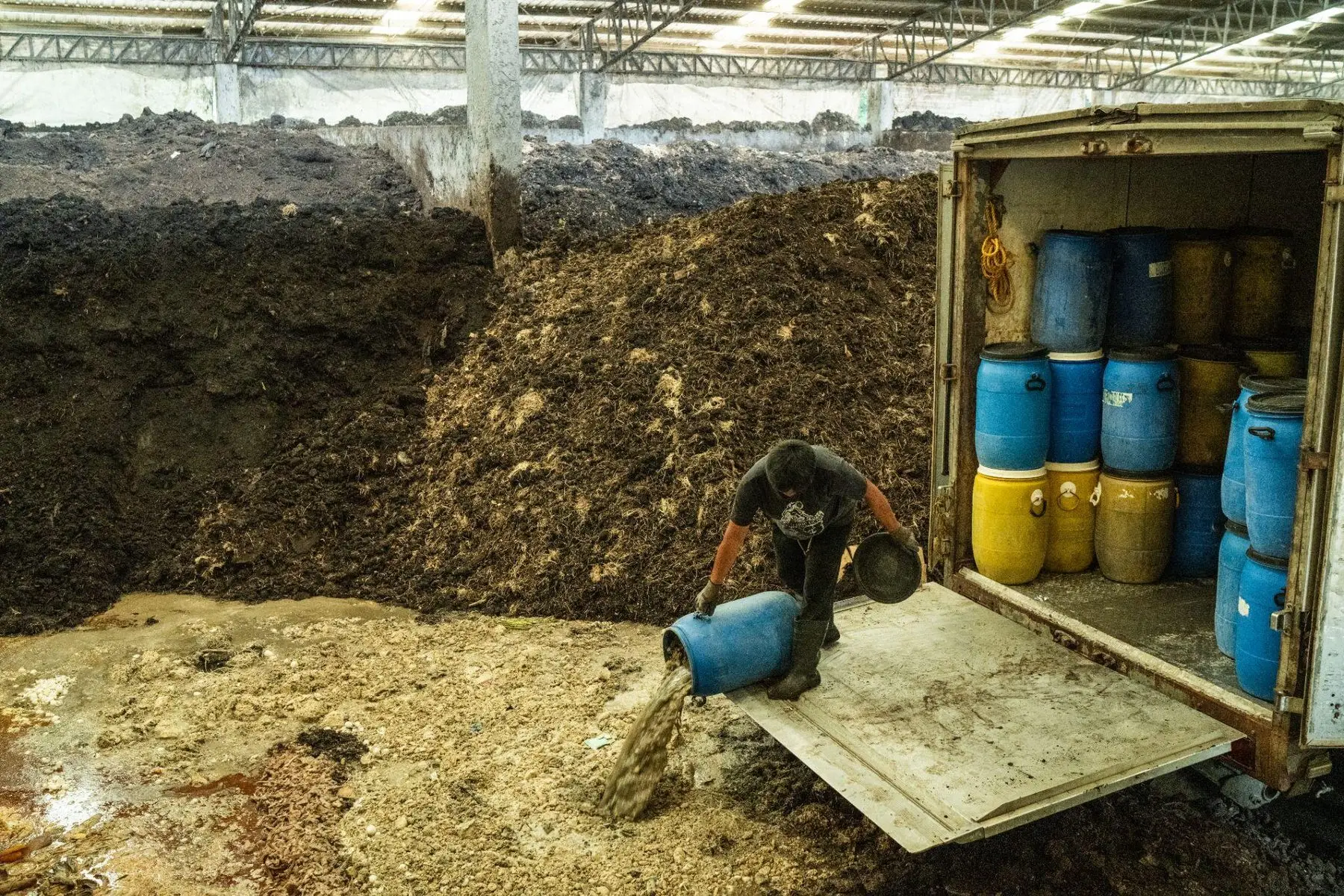
In the past, they relied heavily on chemical fertilizers to fight off fungal infections and pests. But Dr. Bo learned that these chemicals killed the very soil microbes that fed the trees and helped them resist infection. So, he switched to the soil conditioner made from the farm’s own waste.
In 2022, Malagos Chocolate’s cacao harvest was measured at 16 tons. After one year of using the soil conditioner, the harvest reached 37 tons.
Rex explains that consistent use of the conditioner gradually improved soil health and lowered acidity; as a result, there was less need to apply chemical fertilizers or pesticides.
The next morning, Rex drives us through rows of cacao trees being tended to for daily maintenance—as he does every morning. He points out the original bays where his brother first experimented with organic waste. Sacks of soil conditioner lie ready: one to two kilos per fruiting tree.
It is clear to me that Dr. Bo’s mission is still at the heart of these endeavors. He believed that waste management was the key to addressing the problems in his hometown of Davao. He saw plainly how things were interconnected—and worked towards building a world where that link is clear for everyone to see. A legacy that both Olive and Rex continue today.
The science of composting
Composting, at its simplest, happens when microorganisms break down organic waste. How fast these microorganisms can get their work done depends on whether there is enough carbon, nitrogen, oxygen, and moisture to fuel microbial metabolism.
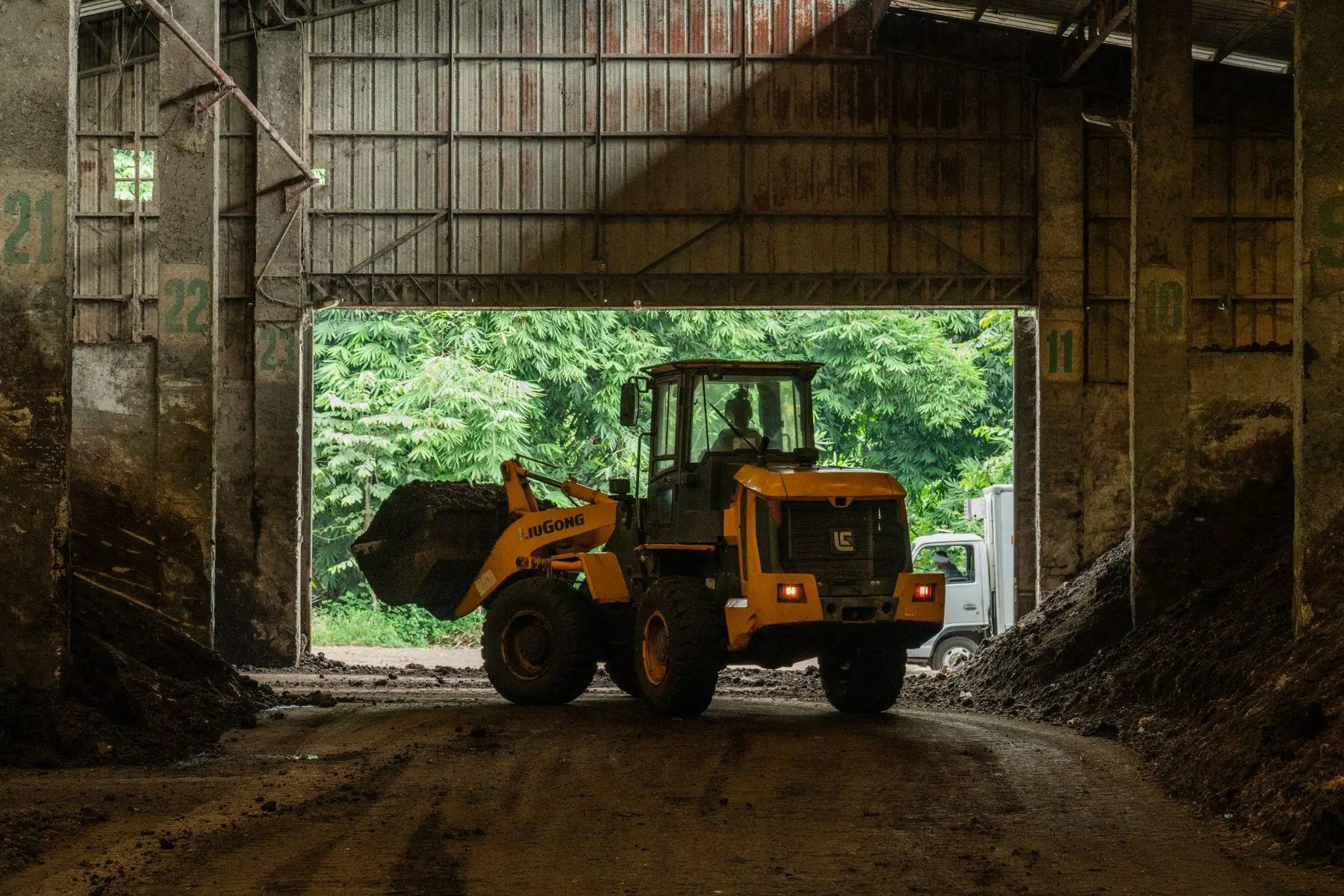
At DTBC’s waste facility, we are greeted by mountains of organic waste in technicolor. Expired hot dogs are depackaged alongside jars of expired peanut butter. Food waste recently collected from a nearby hotel is mixed in with other mounds of organic waste already peppered with eggshells.
It is an impressive sight, one that puts into perspective how much waste humans produce simply by consuming food to live.
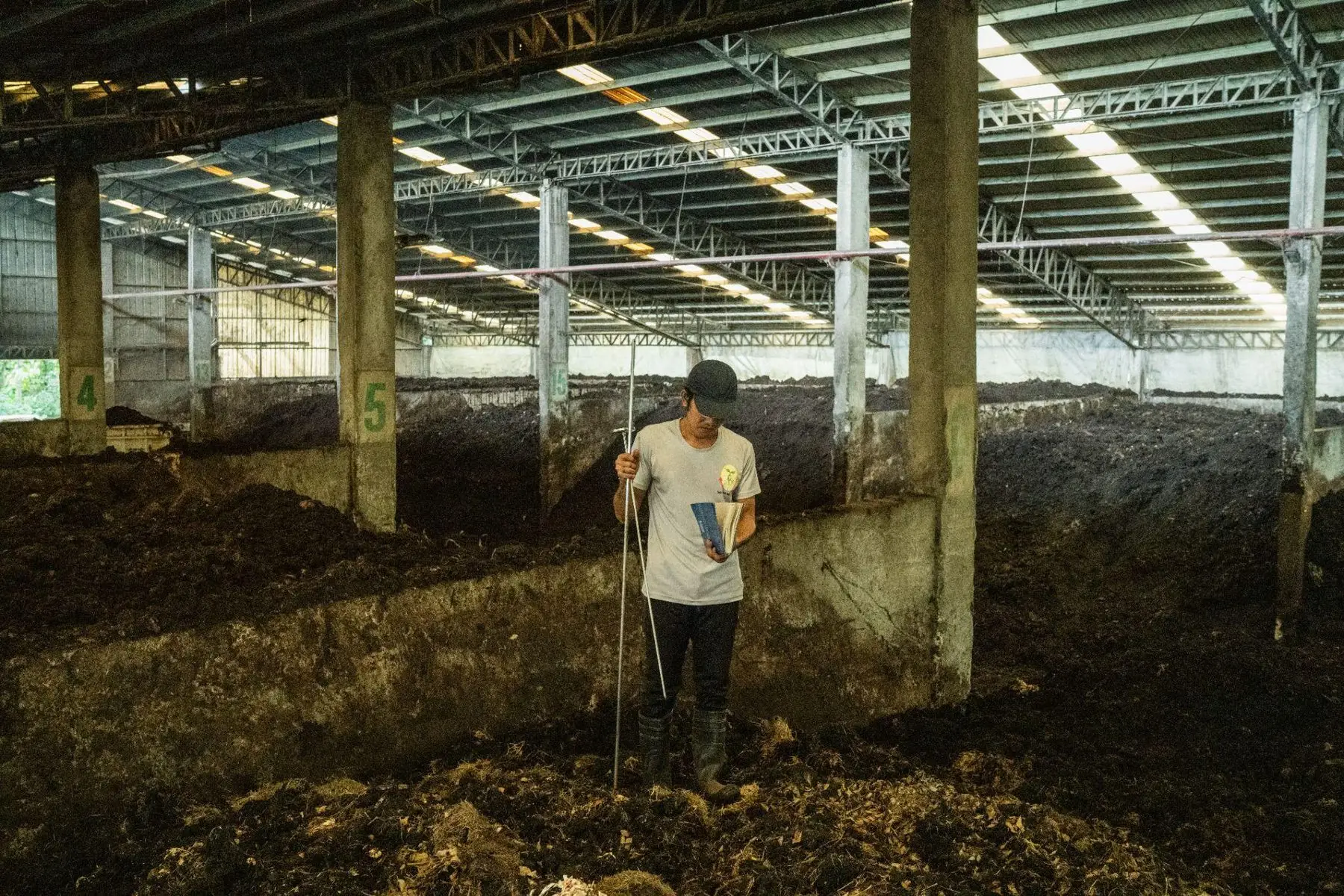
The composting process happens on a much larger scale here thanks to a YMO activator, a Japanese-patented composting technology that rapidly turns biodegradable waste into organic soil conditioner. Once the waste is collected, different types of organic matter are combined to create optimal conditions for decomposition. The YMO activator is added, and the mixture is continually turned at boiling temperatures.
This process—called hyperthermophilic aerobic composting—involves turning the piles to keep air moving, which allows microbes to break down tough materials such as plant fibers and fats, while the intense heat destroys pathogens and neutralizes foul odors.
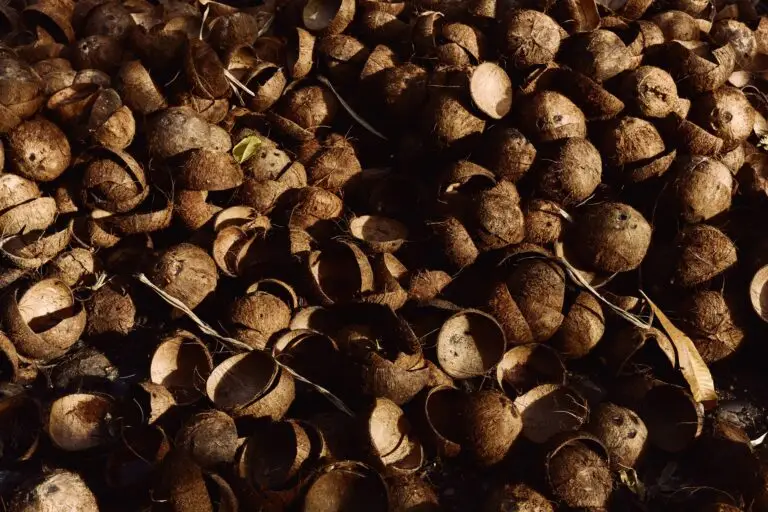
Since the combination of organic matter varies depending on the kinds of waste they collect, ranging from fruit peelings—which are easier to break down—to poultry feathers or coconut husks, the composting cycle can take anywhere from 45 to 60 days.
“In the process, it produces metabolites, or the product of fermentation. These little vitamins, as we call them, are in the product so that when we put it in the soil, it is now fed on by the natural organic matter in the soil,” explains Olive.
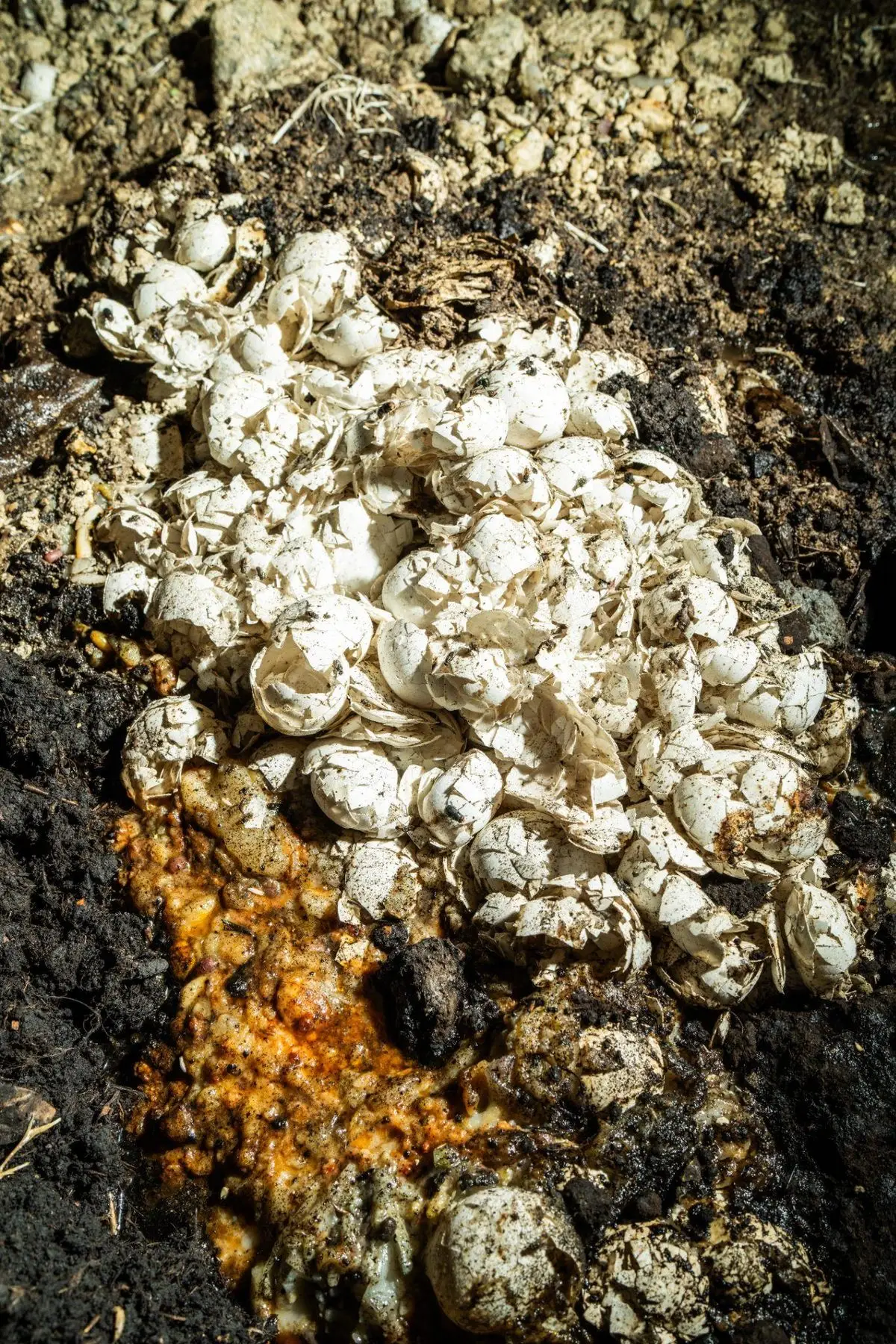
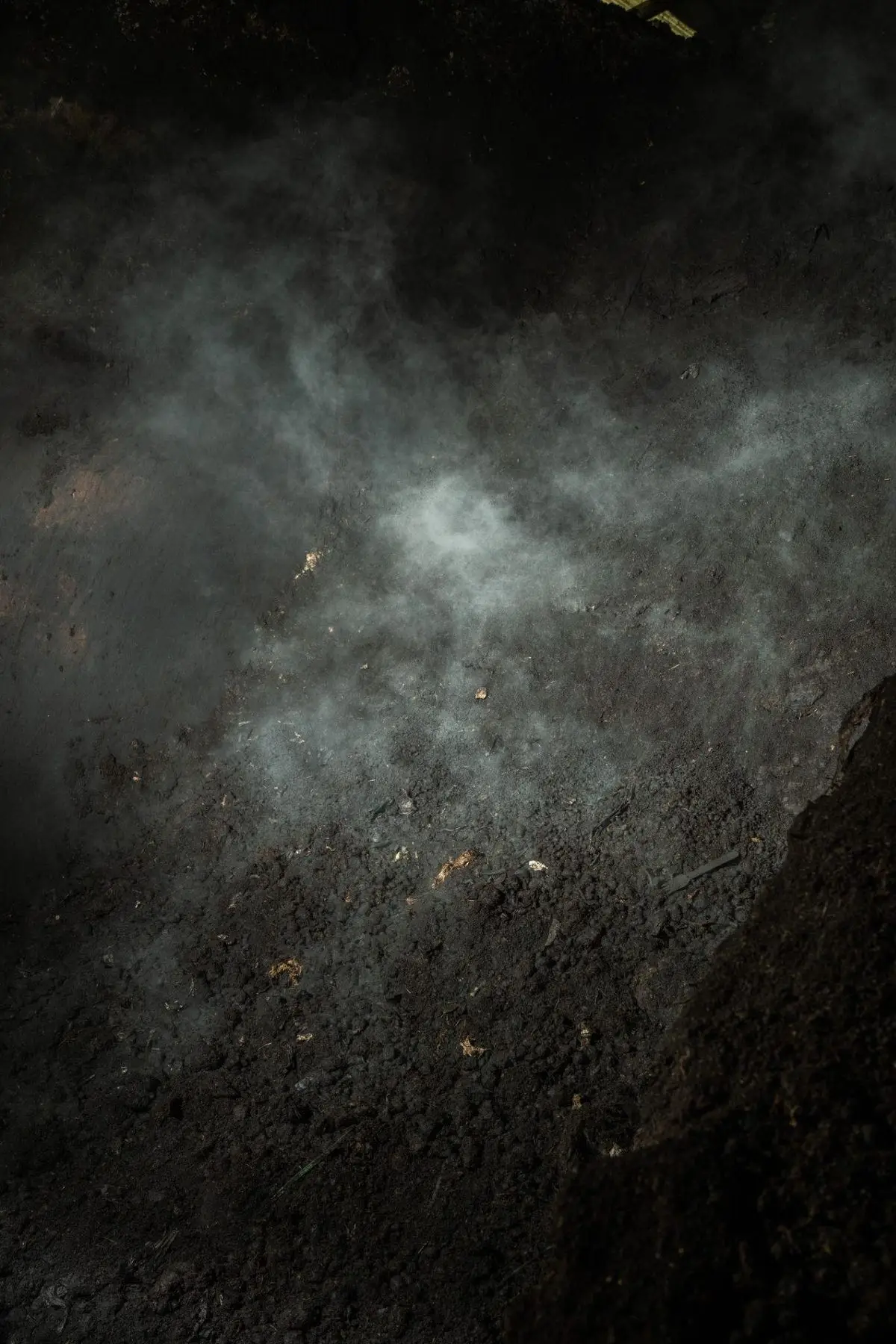
This greatly differs from the imported chemical fertilizers that Filipino farmers have long depended on. The Philippines imports 90% of chemical fertilizers used by Filipino farmers, relying heavily on countries such as China, which accounts for over half of imports. The most common are “NPK blends” containing nitrogen, phosphorus, and potassium, often used to increase rice yields.
At present, DTBC is partnered with farmers for trials on crops including bananas, coconuts, and durian across Nueva Ecija, Tarlac, and Baguio in Luzon, and Pikit, Cotabato, and Santo Tomas, Davao del Norte in Mindanao.
However, the challenge of encouraging farmers to use their products remains. Olive says: “The Filipino farmer has been molded to be dependent on chemical fertilizers. So, that’s my big problem. ‘Pag nag-simula akong makipag-usap sa isang magsasaka, tanong nila agad sa akin ay, ano po ba ang NPK niyan?”
[When I start talking to a farmer, the first thing they ask is: what’s the NPK of that?]
For agricultural innovation to scale
“In many ways, farmers are actually making a rational response to the production system that has developed around them,” explains Earwin Belen, Head of Agricultural Innovation and Agronomy at Kita Agritech Corporation.
Inorganic fertilizers provide concentrated nutrients in a quick and reliable way; they are easy to transport, store, measure, and apply. Most of all, farmers have had decades of experience seeing their effects on crop growth and yield, making them hard to argue against.
However, the problem comes when modern agriculture becomes overly focused on maximizing short-term yields, without adequately accounting for long-term soil fertility, nutrient balances, and nutrient-use efficiency.
“This is why integrated nutrient management, rather than an ‘organic versus inorganic’ debate, is a more productive direction for Philippine agriculture,” Belen says.
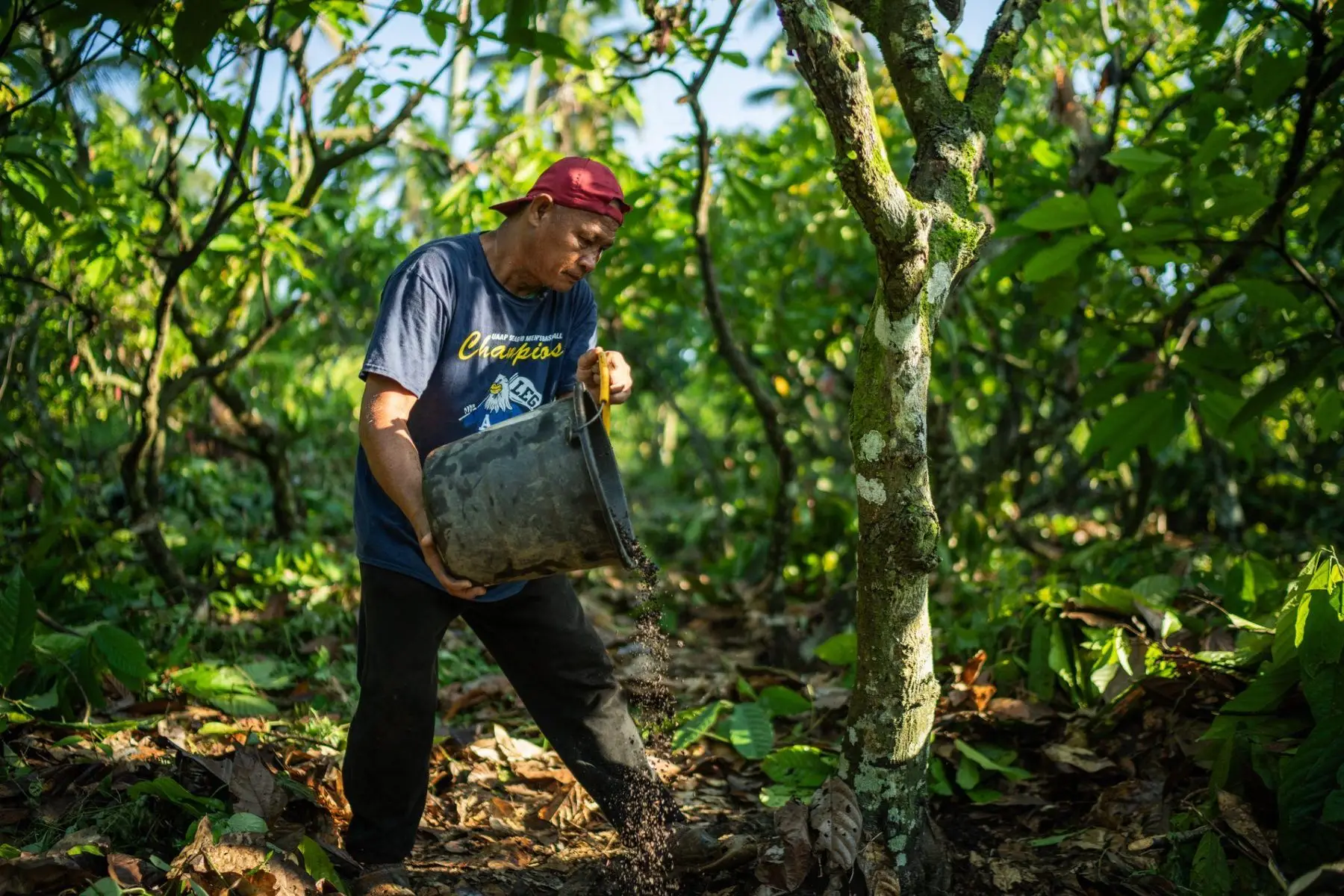
Belen argues that the more urgent question is whether farmers are using the right nutrient source, at the right rate, at the right time, and in the right place, based on soil conditions and crop requirements.
“Soil acidity is highly site-specific. It is a significant constraint in some Philippine upland soils, but it should not be treated as a universal explanation for declining crop nutrition,” he adds.
For many farmers, experimenting with new soil conditioners can pose a significant financial risk—particularly for those operating on limited resources.
“A smallholder cannot easily spend money today on a product and wait several seasons to determine whether it works, especially when that same capital is needed for seeds, labor, irrigation, crop protection and other immediate production expenses,” Belen says, adding that proper farm trials are needed to test efficacy.
“This is where the broader agricultural ecosystem has a role to play. Cooperatives, agribusinesses, lenders, government programs and technology providers can help share the transition risk through demonstration farms, input financing, partial guarantees, or performance-based arrangements. For an agricultural innovation to scale, scientific efficacy and economic viability have to be demonstrated together.”
Putting the ‘sexy’ back in agriculture
The Philippines generates roughly 15 million tons of municipal solid waste annually, 50-52% of which is biodegradable.
Despite the existence of the Ecological Solid Waste Management Act of 2000, which requires waste to be segregated at the source, there is still a lack of facilities for the segregation and processing of biodegradable waste. DTBC estimates it has diverted approximately 34,000 metric tons of biodegradable waste since it started.
Its facility houses 18 bays, through which 10 to 40 tons of biodegradable waste pass every day. This amount includes waste collected from Malagos Garden Resort twice a week. Industrial waste from other cities in Mindanao, such as Cagayan de Oro and Iligan, is also collected and brought to the plant.
Olive says she wants to raise that to a minimum of 50 tons per day. The technology is ready for replication and can be deployed across the country, she asserts, but this requires large-scale investment, cooperation with national and local governments, and infrastructure planning. Even a one-hectare plant, for example, would be able to compost 15 tons of biodegradable waste and employ an estimated 50 to 60 people. The current plant occupies four hectares and cost ₱150 million to set up.
“We have to put the sexy back in agriculture.”
Olive Puentespina · CEO, Davao Thermo Biotech Corp.
“And when I say sexy back, to make it really attractive,” Olive says, noting that upon moving to DTBC, she shifted her focus to the restoration of soil health to “give better food for the Filipino.”
Belen shares the same vision, saying that to expedite more sustainable changes, agricultural policy needs to be connected to waste management policy.
“A genuinely circular agricultural system would recover nutrients and organic matter from suitable waste streams, process them safely, test the resulting products, and return them to soils where they provide a measurable agronomic benefit,” he argues.
Circular agriculture is not simply about choosing organic fertilizers, but about creating a resource-efficient system that responds to the needs of each farm.
“The bigger opportunity is to move from a linear model of ‘buy inputs, produce food, dispose of waste’ toward a system where nutrients, carbon and biological resources are recovered and reused whenever it makes agronomic and economic sense.”
Sustaining a legacy
Back in the kitchen her husband built for her, Olive tells me it was his illness that pushed her to start eating more organically, which eventually led to a greater interest in the bigger food system.
In an ideal world, Olive envisions effective waste segregation and diversion at a national scale, where plastic waste is recycled and biodegradable waste is composted into soil conditioners that can restore the health of agricultural lands.
She hopes this can strengthen the Philippines’ food sovereignty, increase farmers’ yields, and make nutrient-dense crops more accessible to every Filipino. “Sarap mangarap. [It doesn’t hurt to dream.] That’s the goal, I mean, that’s the dream.”
Olive pauses and looks back at the kind of life she’s built with her husband; how the agriculturist from Batangas married the staunch environmentalist and veterinarian from Davao. “Before I die, I hope I can make a little dent in the sustainability of our staple crops,” she says.
The rack
Every story in this issue.