





No Country for Old Phones
In the phone-crazy Philippines, selling old units is part of everyday life. No one really stops to think, however, about what happens when no one’s buying.
“Binebenta mo ‘yan?” [Are you selling that?]
The voice is barely a whisper, muttered under someone’s breath amid the throngs of other people noisily selling their wares. I know exactly where it’s coming from: there’s a man hanging out by the entrance to Shoppesville, keeping his head low as he leans against the railings. He isn’t making eye contact with me—or looking anywhere remotely close to my direction, for that matter—but I know he’s talking about the phone in my hand.
I’m sure of it because I grew up around this sort of thing.
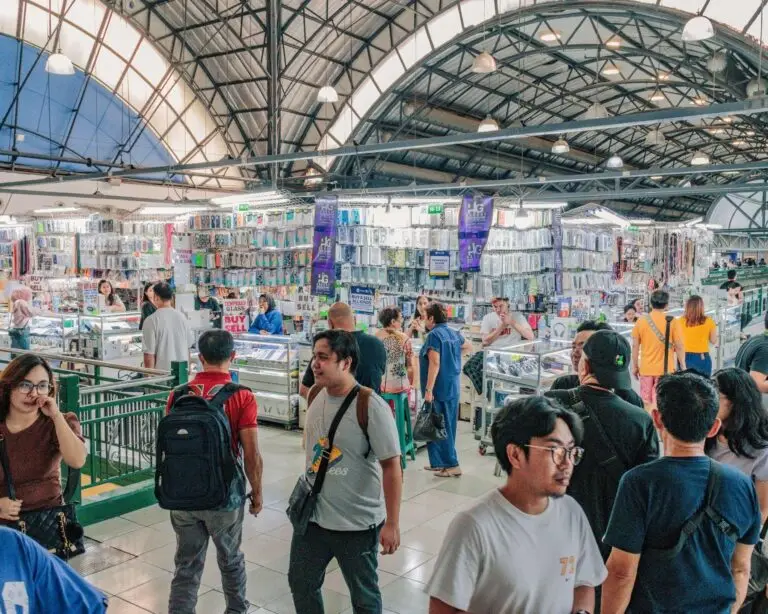
I’ve been coming to the tianggeCircular Design & EconomyTianggeAn open-air market or bazaar, usually without a permanent location. It is derived from the Mexican Spanish word tianguis.Read more in the Glossary →—a bazaar of small independent stalls—in Greenhills since I was about four. Back when The Lion King was still fresh off its theatrical run, my parents ran a stall within its labyrinthine layout, selling factory overruns of officially licensed Disney bedsheets. I took pride in playing tour guide for my friends every Christmas, navigating between thousands of virtually identical stalls to take them where the good stuff was—whether it was toys, clothes, food, or furniture they wanted.
And for as long as I can remember, the tiangge has been the place to buy, sell, and trade in secondhand phones.
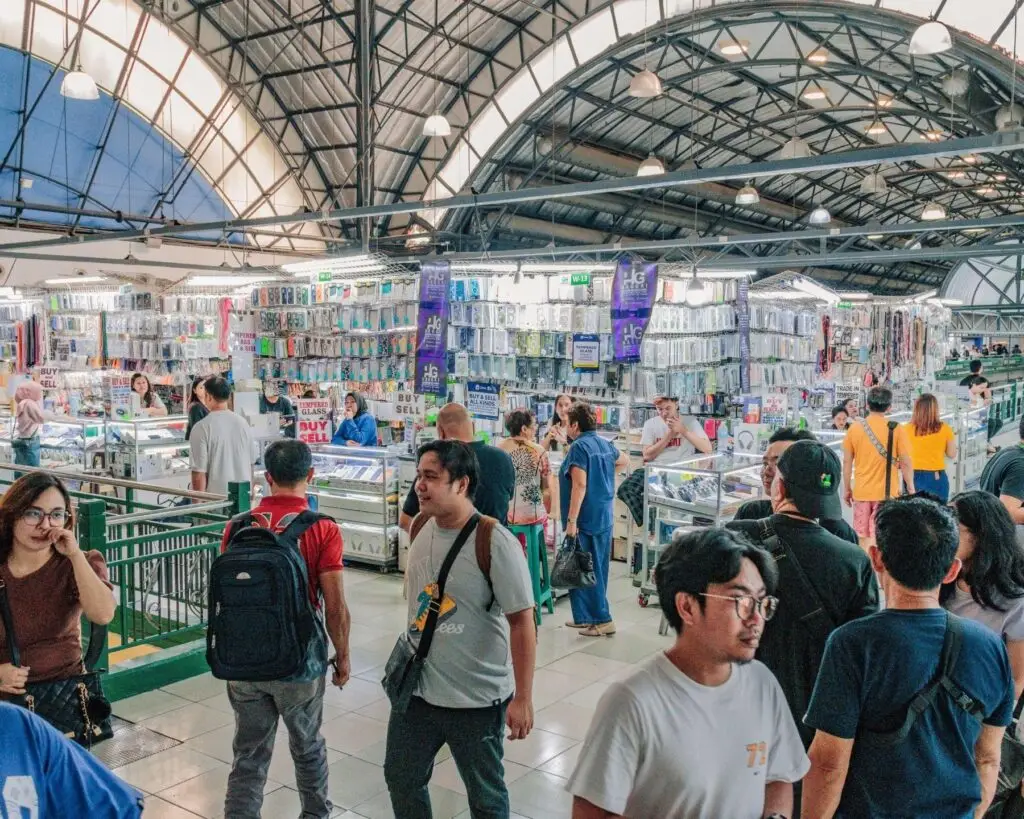
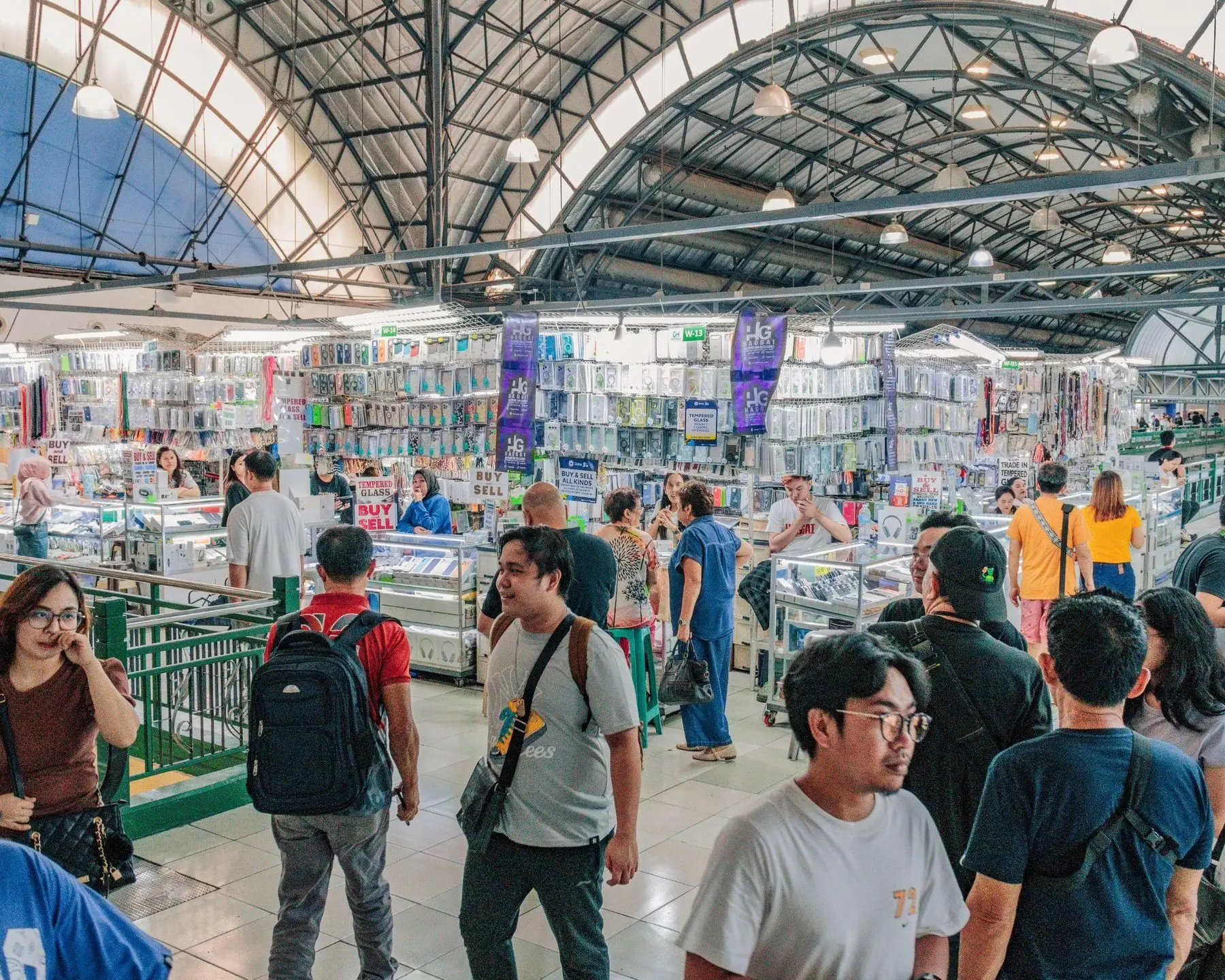
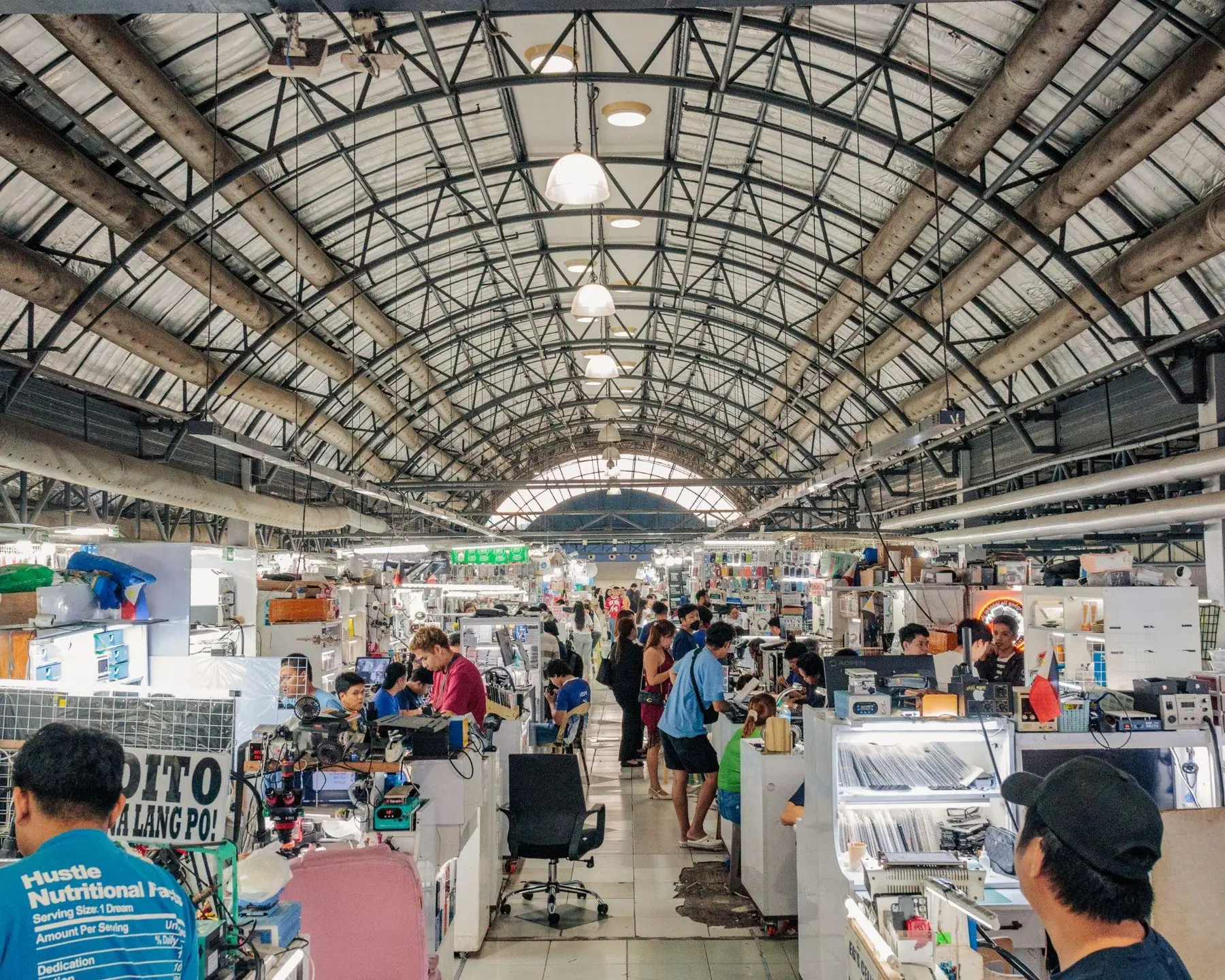
The kuyaFilipino DictionaryKuyaKuya is a Filipino honorific meaning “older brother.” It is also used to address older men outside of family, such as service workers, neighbors, strangers, and friends, out of respect.Read more in the Glossary → who asked me about my phone was one of dozens of people strategically stationed near the entrances of the tiangge. Their job is to get to customers ahead of the competition; if someone says yes, they bring them to the phone dealer they work for. There are around 500 vendors plying the mobile device section of the tiangge today, so the role kuya plays is crucial for business.
If 500 phone vendors in one place seems like a lot, take into consideration just how much Filipinos love their mobile devices.
Back in 2007, we sent around 1 billion SMS messages a day, according to Reuters. Mobile penetration moved from 60% that year to 79.7% in 2024. Nearly 99% of Filipino internet users use messaging apps every month, more than 4 percentage points higher than the global average.
We use our phones far more than most other countries, so we burn through them pretty quickly.
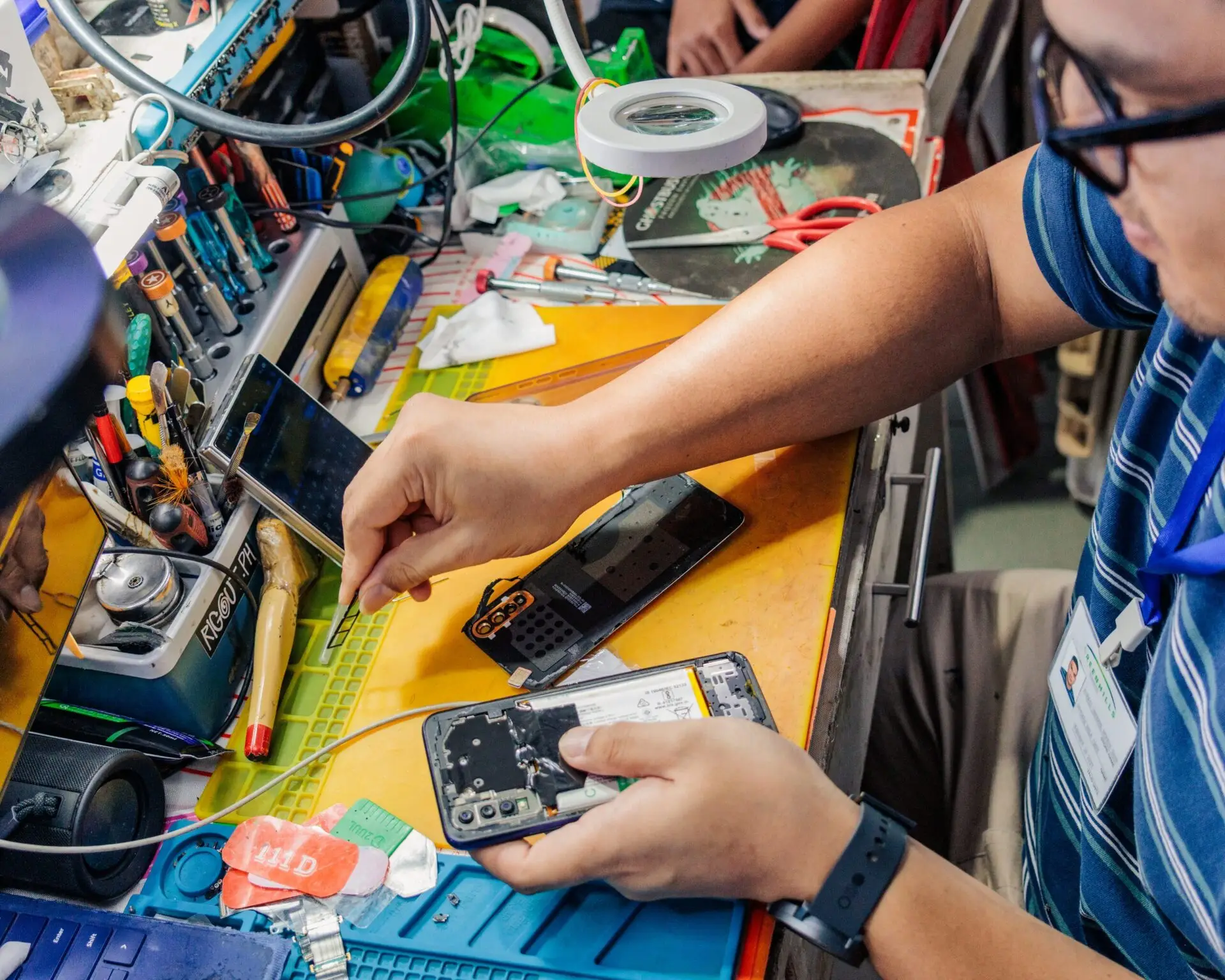
Inside my bag is my five-year-old Xiaomi Redmi Note 10. While the phone is still technically usable, the screen developed this weird pink spot a few months ago, and it kept growing and changing until the entire display looked like it had a muddy pink-green-brown filter over it. This is the phone I’m hoping to sell.
I don’t tell kuya this, of course. Any tiangge native will tell you not to follow them. You can’t canvass for the best deals if you let them funnel you towards their store.
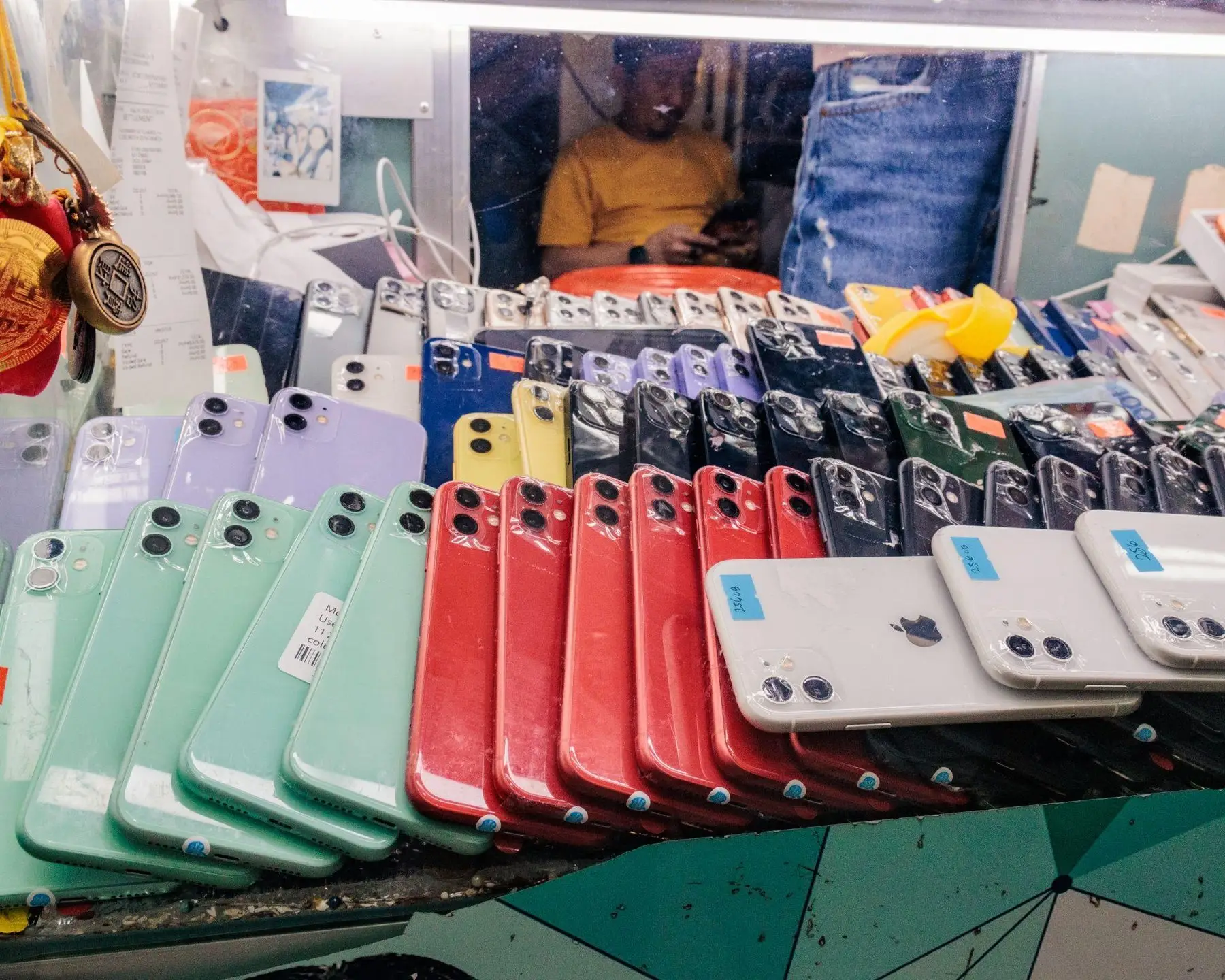
So I go directly to where the action’s at: the second floor. Here, you’ll see rows upon rows of stalls with displays full of phones. Some are brand-new, others secondhand, and others still effectively brand-new—units that were barely used by their previous owners before finding their way to the tiangge.
With demand for phones so reliably high in the country, some vendors do their best to stand out from the competition. On most days, you’ll spot the Kadena Queen, a lively character adorned with more jewelry than you’ll ever see on your mom’s nightstand, pulling in customers left and right with her promise of ample freebies and unlimited candy. Her business partner, comedian and actor Diego Llorico, can sometimes be seen manning their three-stall spot when he’s not shooting episodes of Bubble Gang.
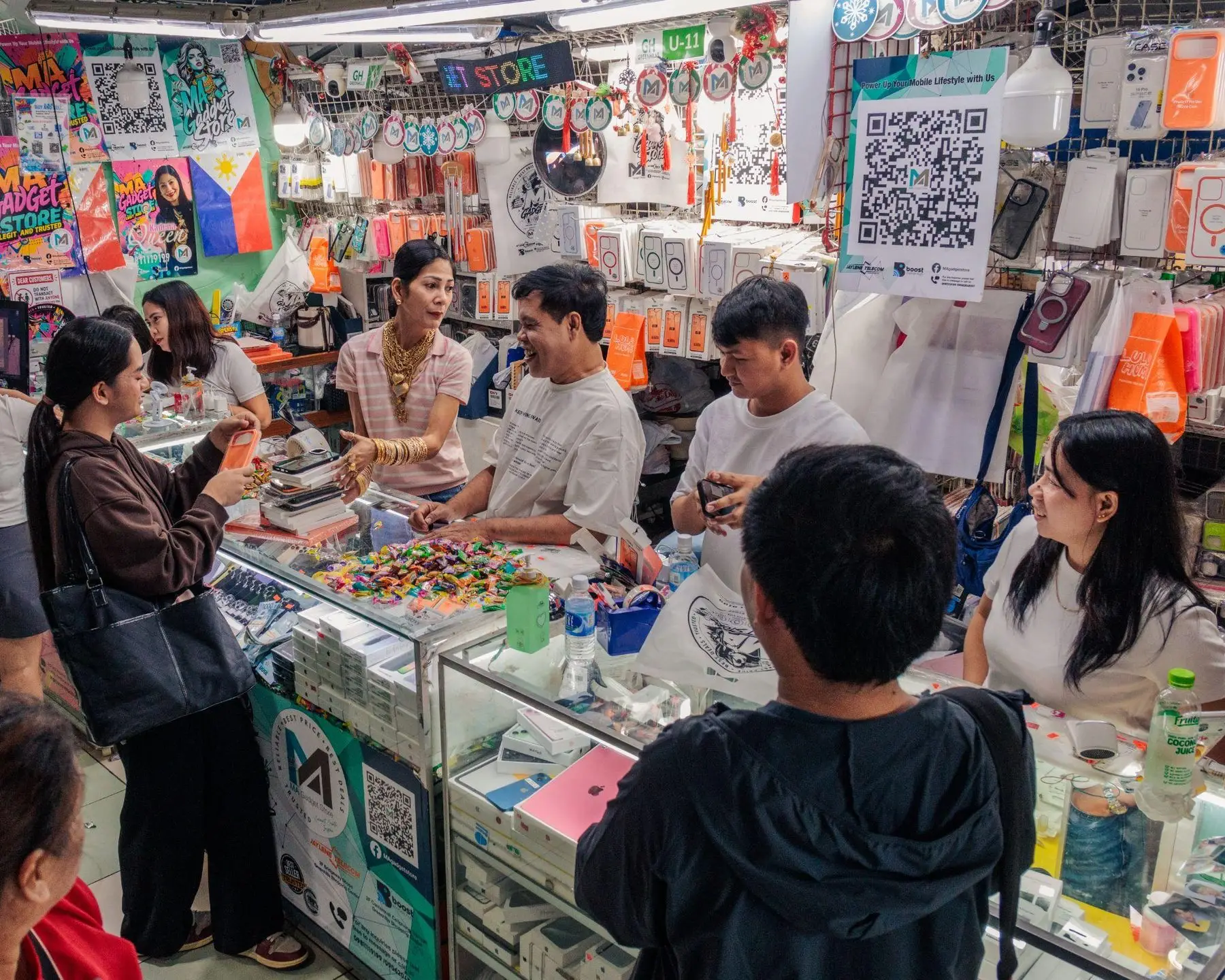
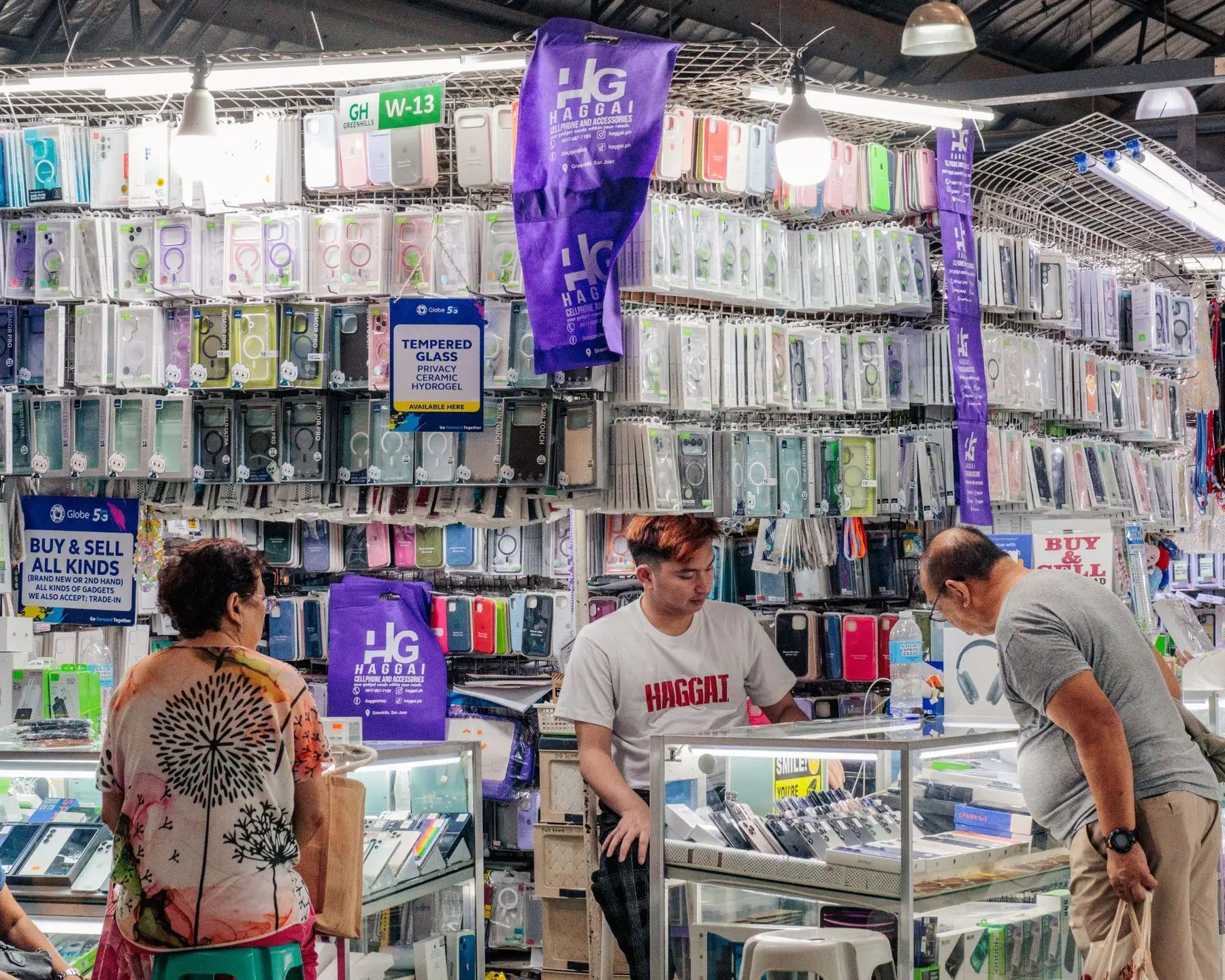
Deeper into the tiangge, you’ll find the much more modest Mardim, whose stall displays pictures of its celebrity customers. If you ask the owner, Omar, who’s more handsome between him and his customer, Piolo Pascual, he’ll laugh and concede defeat to Papa Piolo.
Xtine’s Gadgets has been at the tiangge since 2003. Its owner added a digital roulette game that customers can play for a chance at bonus freebies. While the prizes might be the initial draw, she finds that all they’re really after is a good time, and the game gives them just that.
As I go from stall to stall and inquire about the phone I’m selling, I start to realize that this isn’t going to be as easy as I thought. The stores mostly have iPhones on display. I ask Llorico why, and he explains that customers just want Apple products more. Androids, he says, are for old people. I laugh and tuck away my current phone, another Xiaomi.
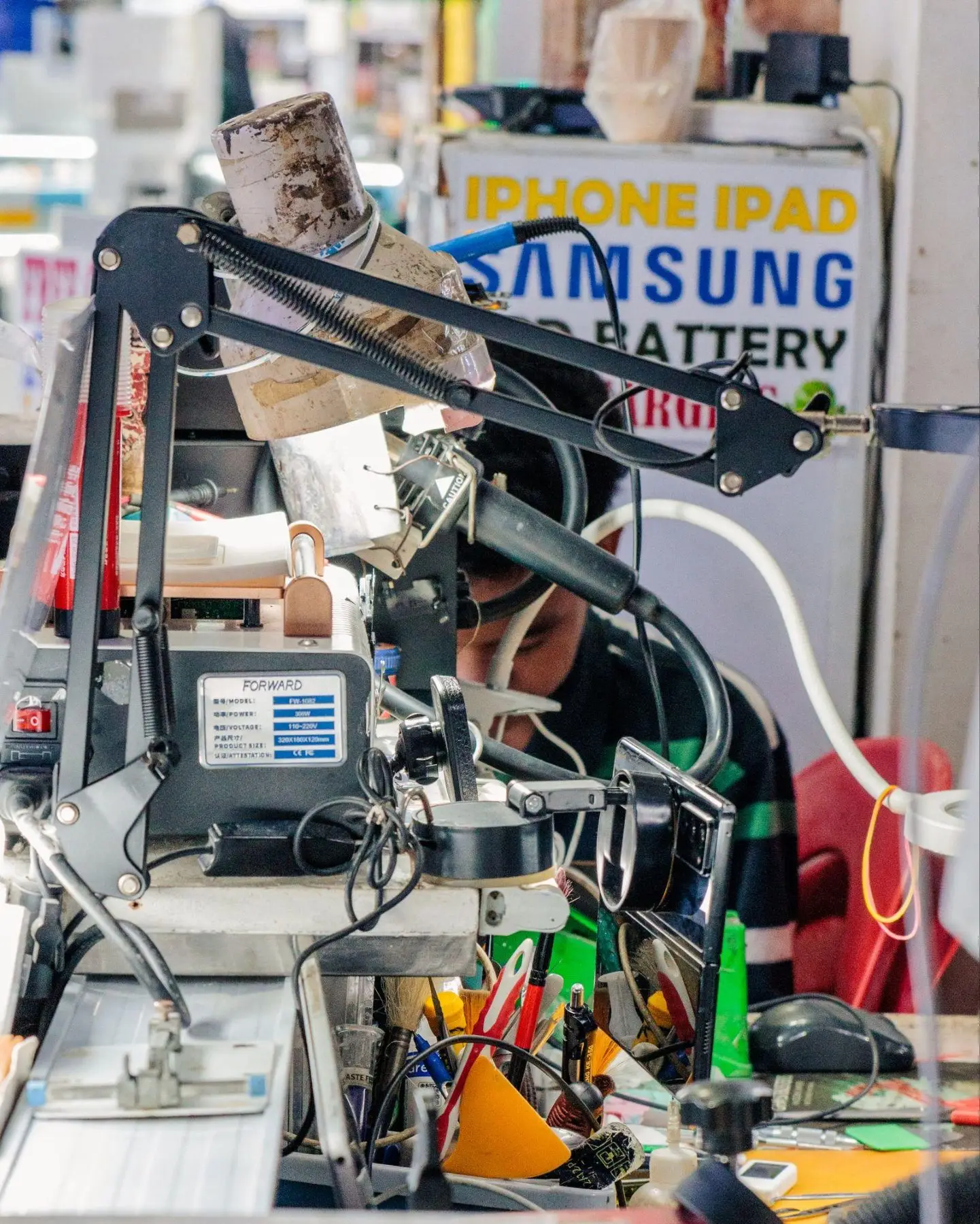
Those who might be interested in the Redmi Note 10 in my bag all tell me the same thing: they won’t take it because it’s not worth buying. It isn’t uncommon for tiangge vendors to buy damaged units; they can easily have them refurbished by the many repairmen who share the floor with them. Mine, however, is a special case.
As I’m showing him my Redmi Note 10, one vendor calls out to his buddy a few stalls over and asks him how much a replacement AMOLED display would cost. The cheapest China one, he’s told, goes for around ₱2,500 to ₱3,000. The vendor then pulls up Carousell on his phone and searches for the same model.
He shows me his screen. There’s a secondhand Xiaomi Redmi Note 10 on sale for ₱3,500, as little as ₱500 more than the cost of parts to repair it.
“Ayun lang. Lugi ako.”
Phone vendor · Greenhills tiangge
[That’s just it. It’s my loss.]
The problem with just throwing out broken phones
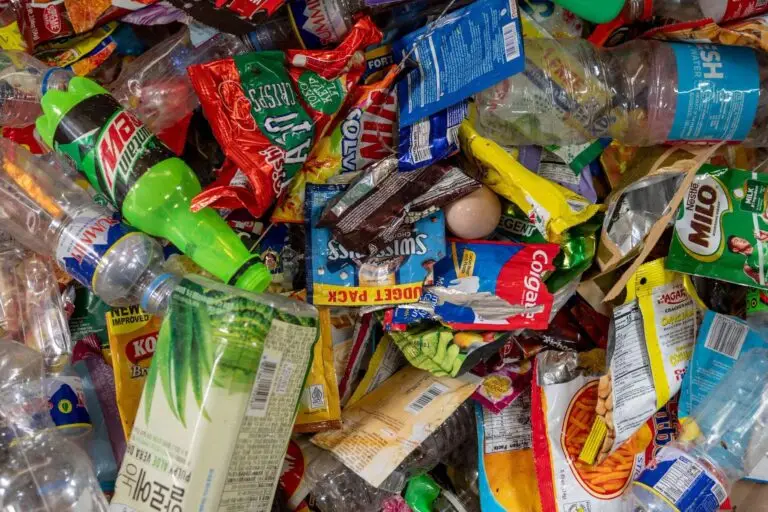
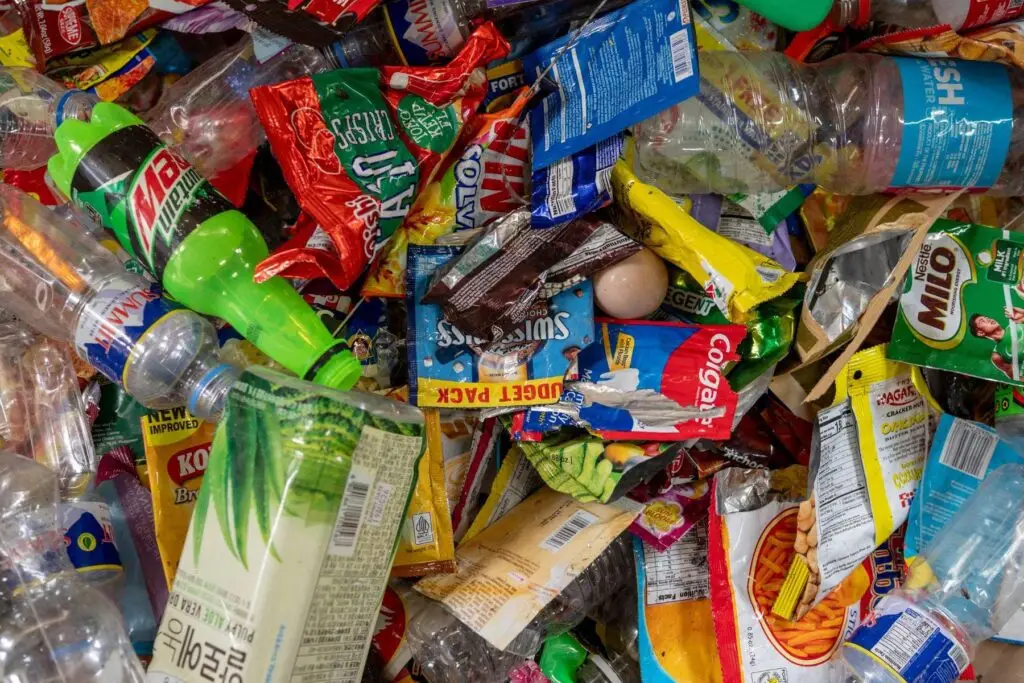
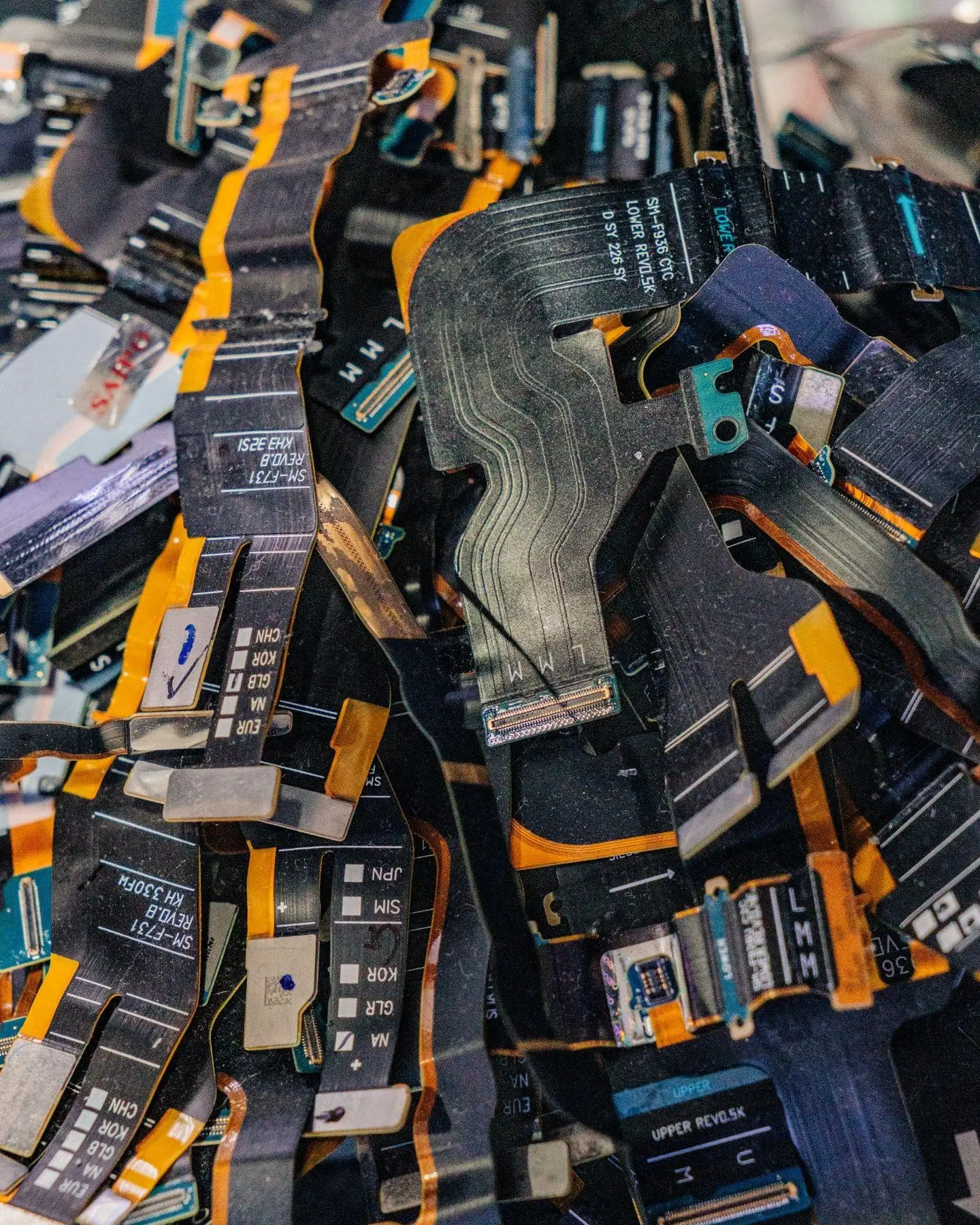
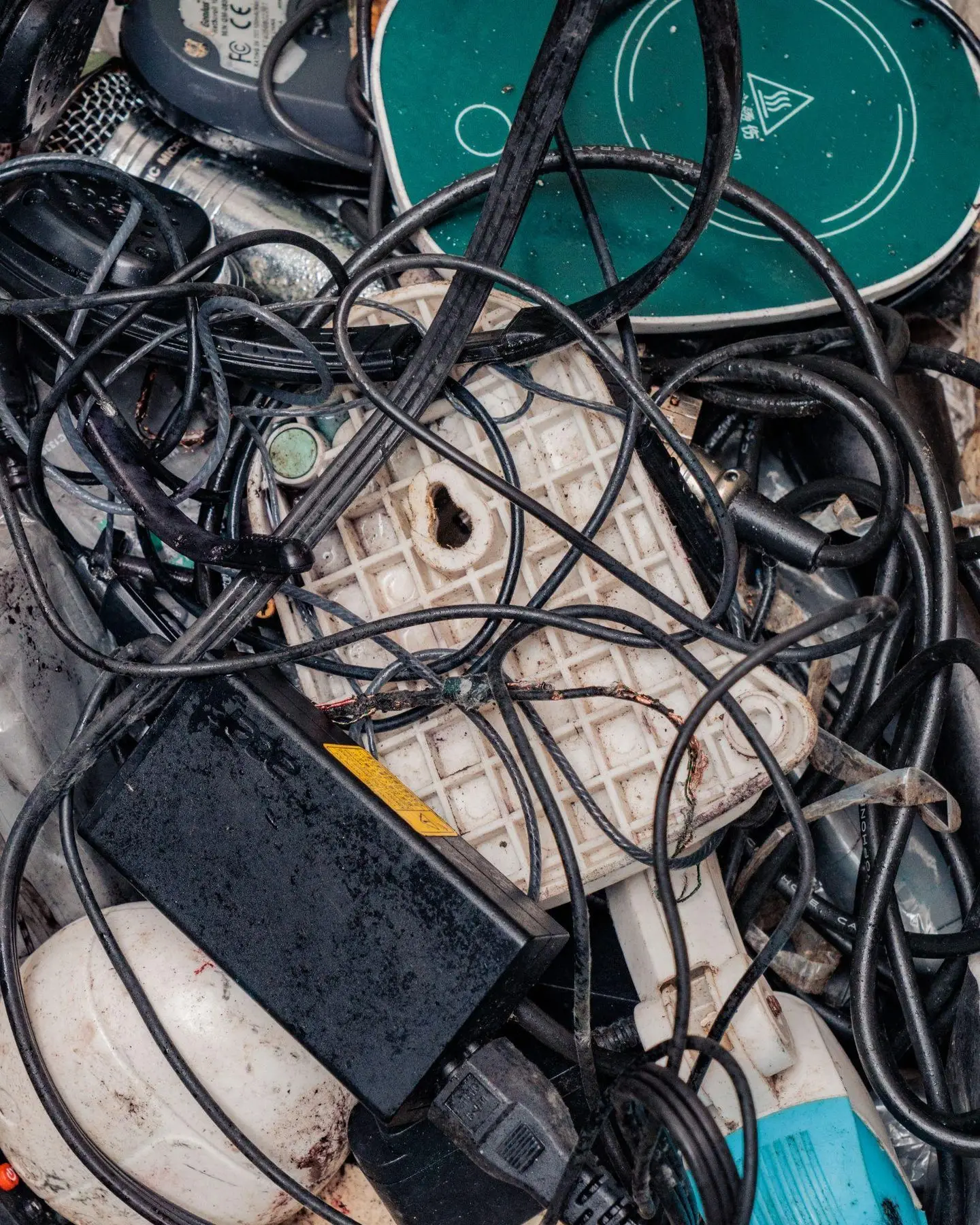
Many phones at the end of their life end up either being burned or buried in landfills.
According to the 2024 Global E-waste Monitor, the world generated a record 62 million metric tons of e-wasteCircular Design & EconomyElectronic waste (E-waste)Discarded electronic devices containing complex matrices of precious metals and hazardous toxins. In circular economy strategy, it represents a critical urban mining opportunity and a severe environmental liability, requiring specialized reverse logistics and strict adherence to international waste trade protocols like the Basel Convention.Read more in the Glossary → in 2022, but only 22.3% of it was documented as properly collected and recycled. An earlier World Economic Forum report estimated that in 2016 alone, discarded mobile phones added up to 435,000 metric tons of e-waste.
The same report found that the Philippines was Southeast Asia’s third-largest producer of e-waste in 2022, generating a whopping 537 million kilograms.
While there aren’t any figures on how much of that comes from old phones, our 79.7% mobile penetration rate implies it’s a pretty significant chunk.
The problem is that phones contain a number of hazardous materials, like lead and cadmium. Burning the ones that are thrown away releases these toxins into the air. Buried phones can leach them into the soil, causing all sorts of environmental and health issues.
Add to that the literal tons of e-waste being imported into our country for disposal, and we’re looking at a serious problem, especially since some of these shipments aren’t exactly legal.
In April 2026, for instance, the Basel Action Network (BAN), a nonprofit that monitors compliance with the United Nations’ 1989 Basel Convention on hazardous waste, obtained photos of massive stockpiles of e-waste at a storage facility in Subic. The waste was allegedly shipped from the United States in violation of the convention, which bars member countries like the Philippines from importing hazardous waste from non-members like the U.S., unless the two countries have a separate agreement in place.
As of June 2026, BAN estimates a total of 234 containers possibly containing e-waste may have been shipped to Subic from the U.S. since March 2025. Local authorities and recyclers, however, have defended these shipments based on reasons that critics call dubious. According to Mayang Azurin, Deputy Director for Campaigns, Asia Pacific for the Global Alliance for Incinerator Alternatives (GAIA), the exporters allegedly circumvented Basel Convention regulations by declaring these shipments as “unusable electronics” rather than “e-waste.”
All this makes the idea of tossing out my own “unusable electronic” feel irresponsible.
Alternatives are few and far between
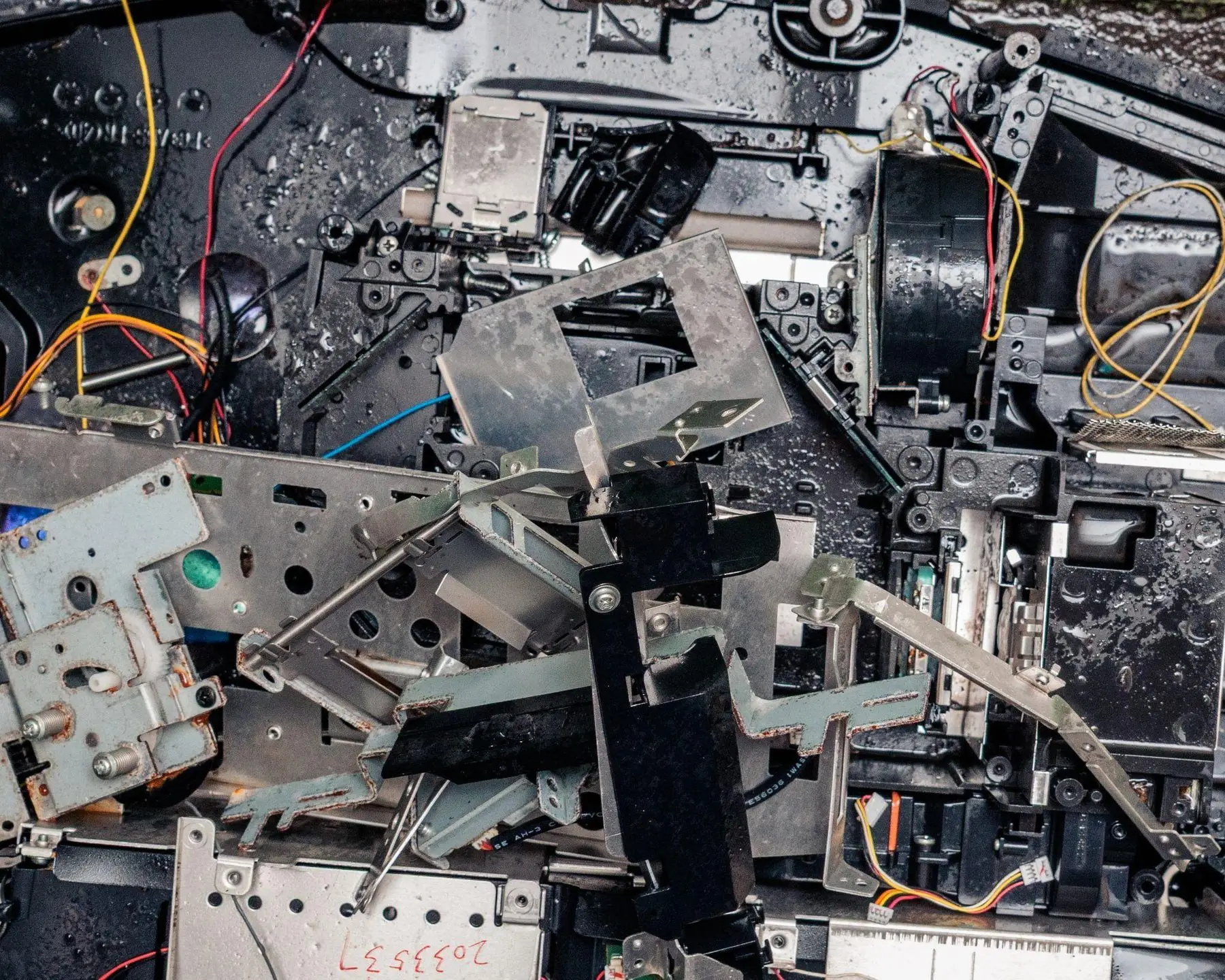
In Barangay Bagong Silang in Caloocan, an informal economy has been built around e-waste. After collecting end-of-life electronics, dismantlers took them back into their own homes and started disassembling them for parts. Any saleable bits would be brought to junk shops for a quick buck, while leftover waste would be dumped at a nearby creek. A dismantler could make around ₱1,300 for half a day’s worth of work, which is good money for most; for reference, the current daily minimum wage in Metro Manila is just ₱755.
But many of these dismantlers have no formal training on how to do all this safely and responsibly, with some learning mainly via YouTube tutorials, according to EcoWaste Coalition National Director Aileen Lucero. Meanwhile, they remain exposed, along with their families and the surrounding community, to serious health risks.
A 2021 study in the Journal of Environmental Health Science & Engineering found that informal recyclers in China, India, and Nigeria showed signs of numerous conditions, including DNA damage, respiratory illness, cardiovascular inflammation, and hormonal imbalances.
“Siyempre, hindi naman nila alam ‘yan. Ang objective lang nila, makabenta,” Aileen says.
[Of course, they don’t know about all that. Their only objective is to make the sale.]
Thankfully, there has been some progress made towards protecting these communities.
In February 2020, the UN Industrial Development Organization (UNIDO), the local government of Bagong Silang, informal waste sector workers, and the EcoWaste Coalition worked together to establish the country’s first community-run e-waste Treatment, Storage, and Disposal (TSD) facility. It was built to provide a centralized location for dropping off e-waste, dismantling it, and sending off the parts for resale and recycling.
Part of the project was to also provide safety training for the informal dismantlers at Bagong Silang. Dismantlers are also required to wear personal protective equipment while working at the facility.
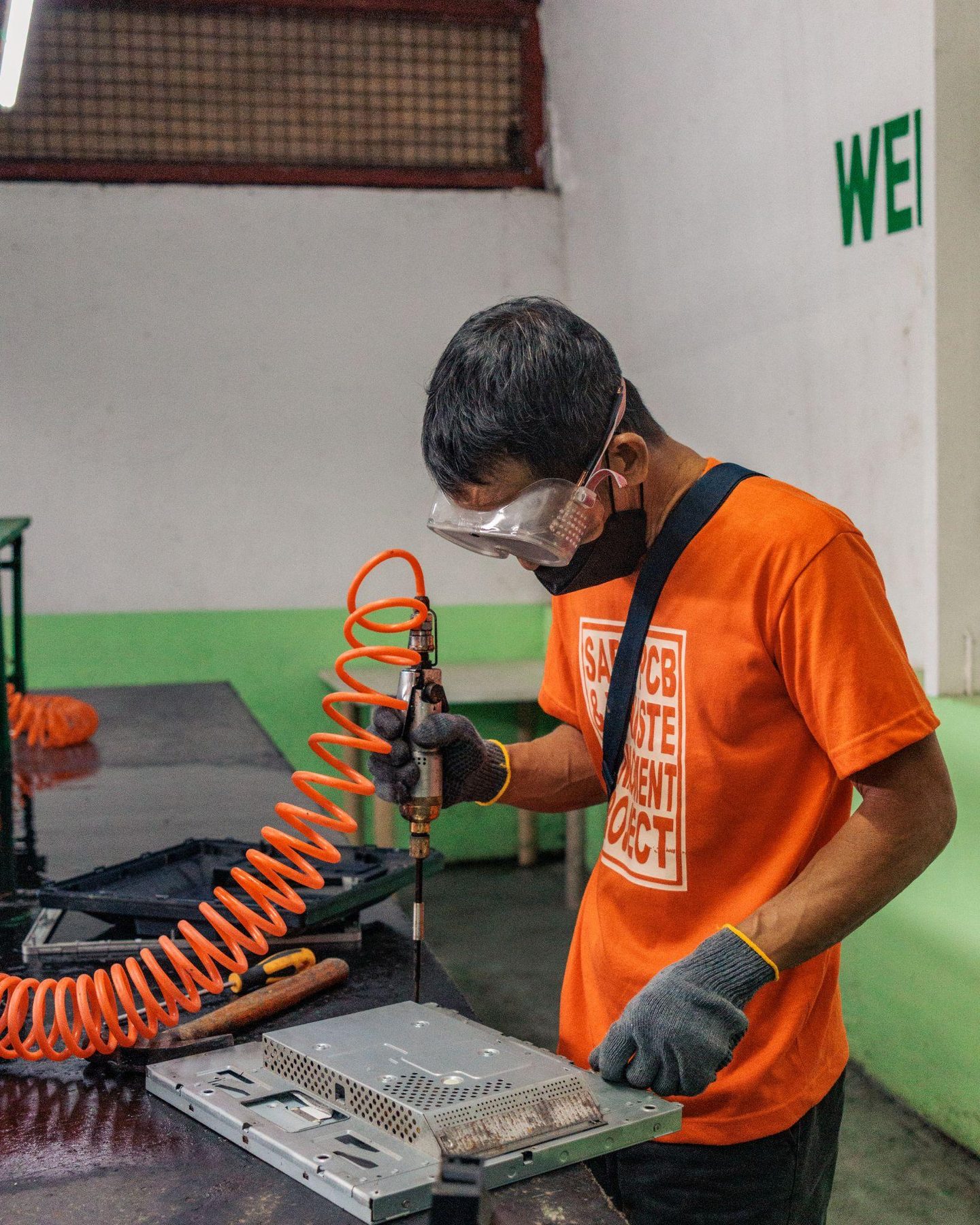
EcoWaste Coalition Community Organizer Jover Llarion explains that the facility has also made the dismantlers’ work a lot faster. Instead of going door-to-door to collect e-waste, they just need to show up at the facility, put their gear on, and get to work.
“Mas nagkaroon sila ng panahon sa pamilya, nagkakaroon pa sila ng ibang trabaho maliban sa pangangalakal,” he adds.
[They get to have more time with their family, and they get to have another job outside of junk recycling.]
As nice as this all sounds, however, the Bagong Silang TSD facility is one of just a relative handful in the Philippines. Community-run ones, in addition, depend heavily on outside funding. If the money comes up short—if the support they receive suddenly dries up—they have no choice but to pause operations for brief periods, as was the case when Sustina visited in mid-August 2026. As of writing, we have yet to confirm if operations have resumed.
There’s also the matter of where these scavenged parts go. While junk shops can sell parts like circuit boards to those who might still use them, a lot of the country’s dismantled e-waste is shipped to other countries for further processing.
All that glitters in a broken phone
According to a 2019 report by the UN Environment Programme, a single ton of discarded phones can contain more gold than a ton of gold ore, and that’s not even counting other valuable metals like palladium. The average iPhone contains roughly ₱300 to ₱400 worth of these metals at current rates.
The Philippines, however, has little to no capacity for recovering these materials from old electronics—a process known as urban miningCircular Design & EconomyUrban MiningUrban mining is the process of extracting valuable materials, such as common metals, plastics, and rare elements, from electronic waste—much of which would otherwise go to a landfill or incineration. Read more in the Glossary →—so we ship them out to those who do and earn little of the value.
Urban mining hasn’t taken off in the country because the Philippine market has been traditionally risk-averse with its investments, says Filippo Colagrande, Growth & Partnerships Head of Singapore-based urban mining company BioMetallica. It just isn’t a “proven” earner locally, so no one touches it.
Companies like BioMetallica have begun expanding their presence in the Philippines to address this lack of urban mining infrastructure, but are dependent on these very same risk-averse investors to establish operations in the country.
There is also the fact that people just aren’t inclined to recycle in the first place. Again, only 22.3% of all global e-waste is recycled; we aren’t putting our phones in the right bins most of the time.
A lot of this has to do with the bins just not being there to begin with. There’s no real place to dump your old phones for recycling in Greenhills or in most places we frequent. I have enough trouble finding a regular trash can at the nearby SM mall; what more a recycling bin specifically for e-waste?
People do tend to recycle more if they have better access to bins, however. Smart bin company Rezbin, for example, has seen a rise in recycling at offices it has partnered with in large part because of the ease of access. People come to work every day and know there’s a place to put all their recyclables in, so they recycle.
“Our partners see a 20% increase in engagement with their recycling programs, and 70% of users also engage their families,” Rezbin Co-founder and COO Mica Eirth shares.
As of August 2026, Rezbin has been piloting the inclusion of e-waste in its program.
In most commercial areas like Greenhills, however, recycling bins are usually just limited to paper and plastic—if you can even find them in the first place. Having an e-waste option in these spaces could be helpful, especially in spots like the tiangge that deal with a lot of electronics.
A better afterlife for phones
The Greenhills trip hasn’t worked out the way I’d planned. The phone’s still with me, the display still all messed up. When I turn it on, everything still looks muddy; it’s barely usable. Every instinct tells me I should get rid of it.
But then I look at it another way.
It’s hard to see everything on the screen, but I can still make out the lines of my wallpaper. I can see the icons of my apps and I can, for the most part, read their labels. I can use all the essential functions: make calls, send messages, play music, and even watch videos. Or parts of videos, at least.
If I really, really need to, I can still make things work. But it would be a whole lot better if I just bit the bullet and paid for a replacement display.
I came into this story without really looking for a metaphor for what the afterlife of our phones looks like, but it’s staring me right in the face. If we try really hard, there are enough little bits in there to make a circular economyCircular Design & EconomyCircular economyAn economic model designed to keep materials in continuous use through maintenance, reuse, remanufacturing, and recycling, decoupling economic activity from the consumption of finite resources.Read more in the Glossary → around them work, kind of.
We can prolong the lifespans of our phones by a few years by heading to the tiangge, having them repaired, or selling them to someone who can use them. Even just one extra year of usability probably creates more value for users than outright recycling them for a few hundred pesos’ worth of materials.
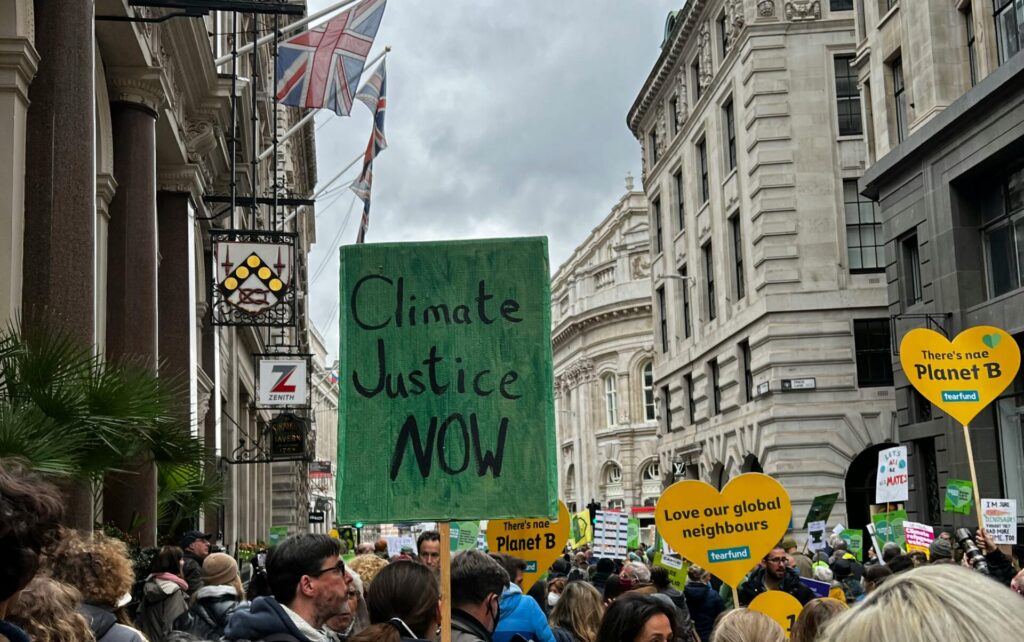
Once they’ve hit the end of their usefulness, we could bring them to a TSD facility if there’s one near us, or to the office if it’s got an e-waste recycling bin. We could protest the importation of e-waste so we don’t end up drowning in the trash of other countries.
We can make it work. But in its current state, the system doesn’t make it easy.
What we really need is for people to take a better look and see why it’s worth fixing. If the right parts were in place—if there were funding for the right solutions—could we build a system that maximizes the value of our devices?
As I leave the tiangge, working phone in hand, I hear another kuya mutter behind me:
“Benta mo ‘yan?” [Are you selling that?]
The rack
Every story in this issue.