









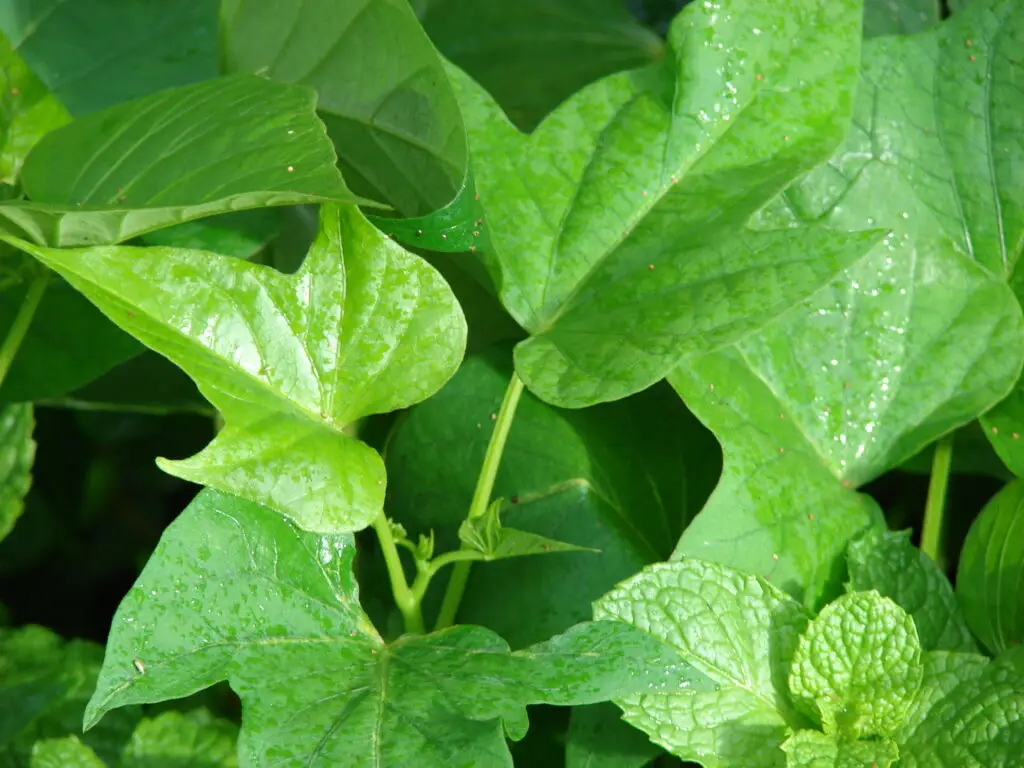
August 24, 2026 · A paper published on December 29, 2025, examined the use of sweet potatoes (Ipomoea batatas), also known as camote or kamote in the Philippines, in cancer prevention.
Researchers from the University of Arkansas’ Department of Agriculture and Agricultural Regulations conducted a thorough examination of major scientific databases from 2015 to 2025. From this, they identified 38 eligible studies that provided evidence of anticancer properties in sweet potato leaves.
To many Filipinos, camote is a staple food: a vital livelihood crop because of high market demand. According to the Philippine Statistics Authority Update, in 2025, the industry was valued at ₱13.9 billion, with 77.48 thousand hectares of sweet potatoes harvested and 448.5 thousand metric tons produced.
Eating camote is generally a healthy, affordable, and accessible option for many Filipinos. According to Harvard University’s Nutrition Source, sweet potatoes are a good source of vitamin A in the form of beta-carotene, vitamin B6, vitamin C, potassium, and fiber.
In the past decade, scientists have even found possible links between camote and cancer prevention.
What we know so far
The anticancer properties determined by researchers stem from the high concentrations of compounds found in sweet potatoes, such as phenolic acids, flavonoids, and carotenoids.
These compounds are known antioxidants, which can neutralize free radicals—meaning that they can stop cellular components that lead to cancer through the mutation of genes and the damage of healthy cells.
The different colors of sweet potatoes provide distinct benefits: yellow and orange sweet potatoes are known to have higher concentrations of phenolic acids and carotenoids. In comparison, purple sweet potatoes have higher concentrations of anthocyanins, or antioxidants.
Another study, published in BMC Complementary Medicine and Therapies on February 26, 2025, titled Antiproliferative potential of sweet potato in breast (BT549) and lung (A549) cancer cell lines, focuses on using sweet potato leaves and stems but is specific to human lung and breast cancer.
Researchers took methanolic extracts from sweet potato leaves to test their antimutagenic potential. They used this extract on human stomach cancer and rat liver epithelial cells and concluded that sweet potato leaves have “antimutagenic and anticarcinogenic activity in vitro”. In vitro refers to artificial testing outside of the human body, such as in a petri dish or test tube.
An earlier study from 2011 found that sweet potato greens extract, through oral administration, displayed remarkable “inhibited growth and progression of prostate tumor xenografts” in mice. It marked the first study to demonstrate in vitro and in vivo anticancer activity specific to prostate cancer.
Debunking headlines
Cancer was the third leading cause of death in the Philippines in 2023, with lung cancer ranking highest in mortality rate. However, despite the high mortality rate due to cancer, treatment costs remain high, in some cases exceeding ₱1 million.
Because of such barriers, more affordable and accessible alternatives are highly valuable, as well as any related research.
But while the research is promising, it is important to note that most of it relies on in vitro and animal testing data, meaning these studies do not necessarily translate to humans. As of now, it is impossible to determine a direct correlation between eating camote and human cancer risk reduction.
Additionally, these health benefits aren’t unique to sweet potatoes—many other vegetables provide the same. Though sweet potatoes may provide them in higher concentrations, it does not make the vegetable a cancer killer as some headlines may suggest.