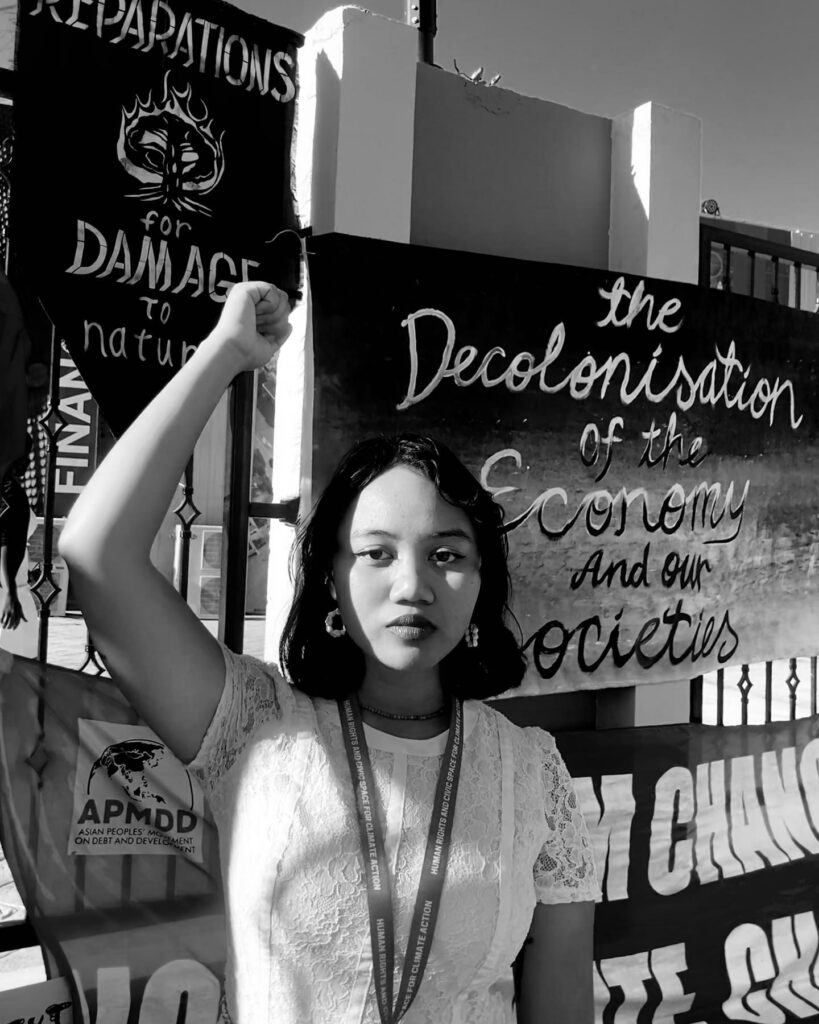


June 5, 2026 · In the Philippines, defending life can lead to death. According to a 2024 report from Global Witness, my home country has been the most dangerous in Asia for land and environmental defenders for 12 consecutive years—I have been an environmental defender for 10 of those years.
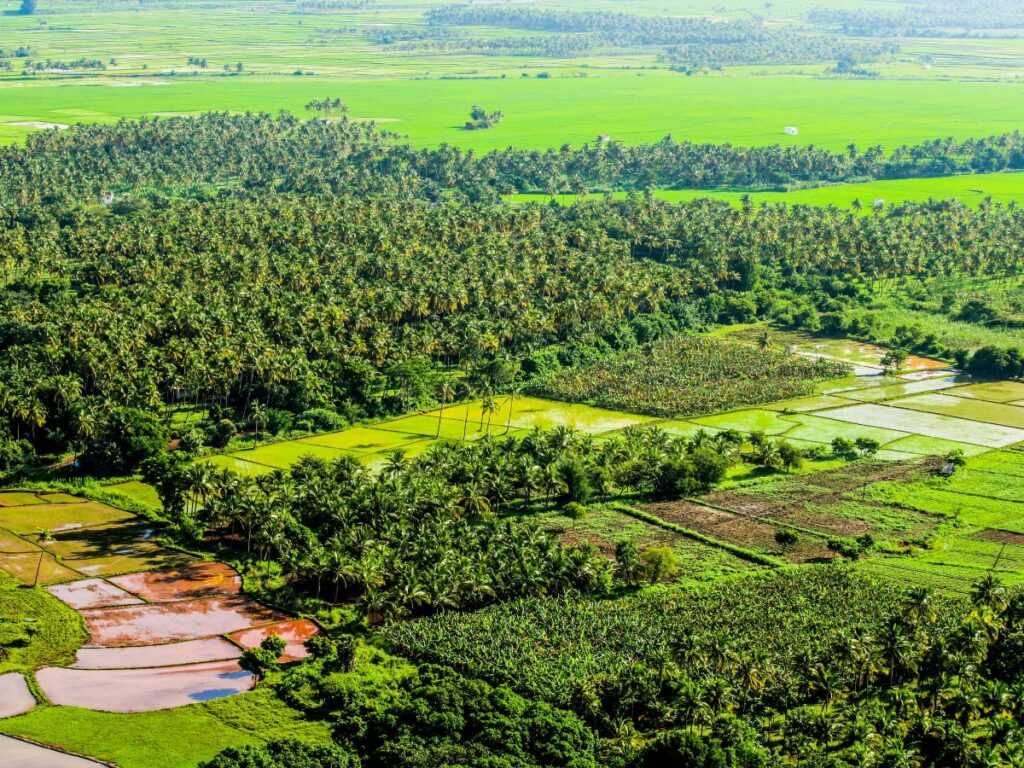
Zoom in further and you can see the killing fields. My hometown of Negros Occidental, the land of landless farmers, produces half of the country’s sugar on soil embittered with blood.
Because of my hometown, I learned early that violence does not always arrive as murder. Sometimes it is simply hunger.
When I was 8 years old, my mother worked at an NGO that supported farmers. I was her assistant, helping her type the farmers’ answers on field surveys. For many of the families’ annual income, I was told to type ₱1,000. Even as a child, I was shocked.
I asked my mother if it was an error; maybe they meant weekly or monthly income?
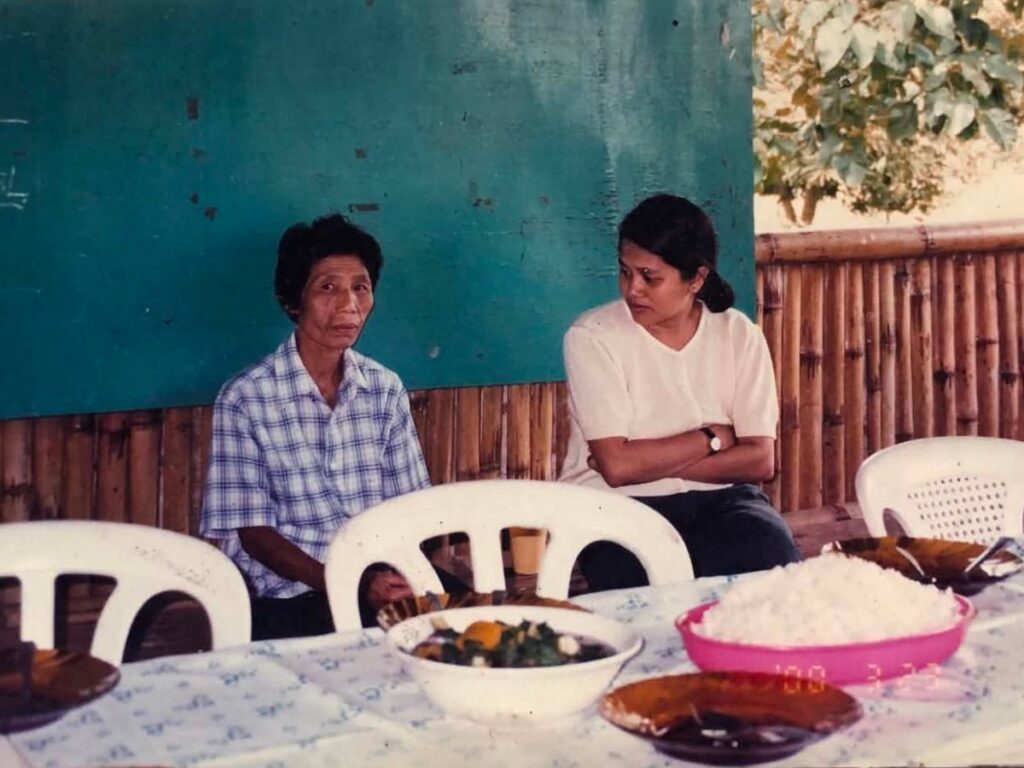
I still remember the look in her eyes when she told me it wasn’t—that this was the reality of farmers in Negros, how they do the back-breaking work of feeding other Filipinos for an unlivable wage, how they fight for the right to their own lands but get detained or killed in the process, and how justice is so hard to reach when the wrong people are in power.
She would bring me and my sister on her field visits, conducting research with farmers in Magallon (now called the municipality of Moises Padilla). We played with their children, hearing—but not quite understanding—heavy conversations about land, poverty, and hunger. I didn’t know it then, but it would shape the lens through which I see the world.
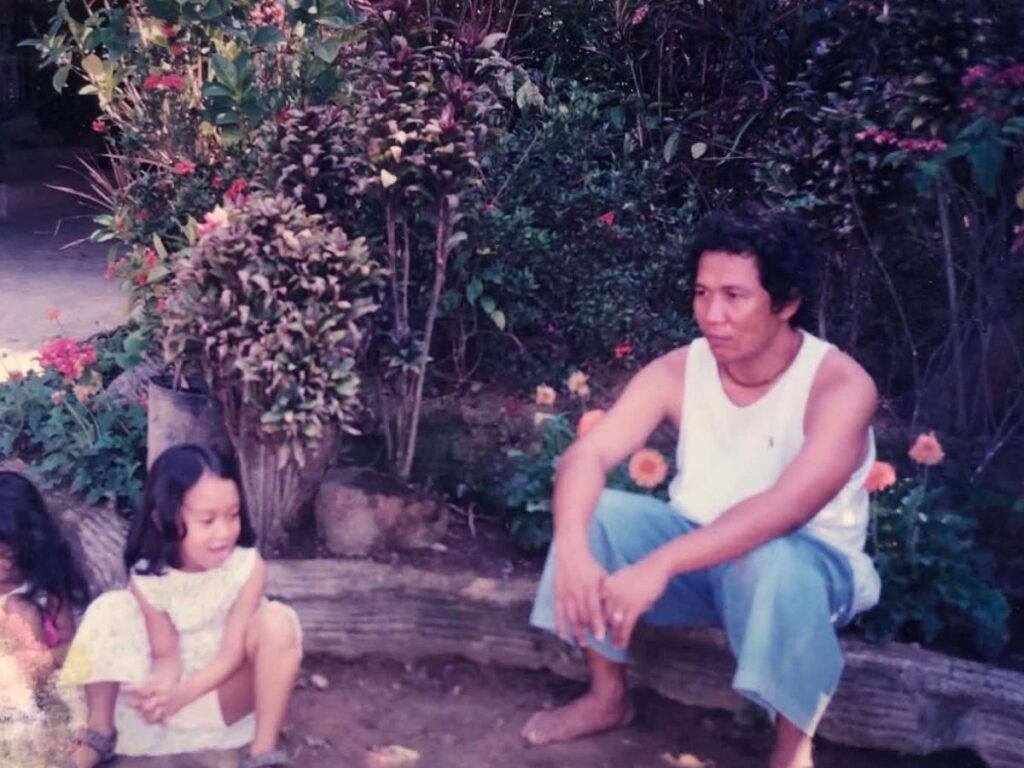
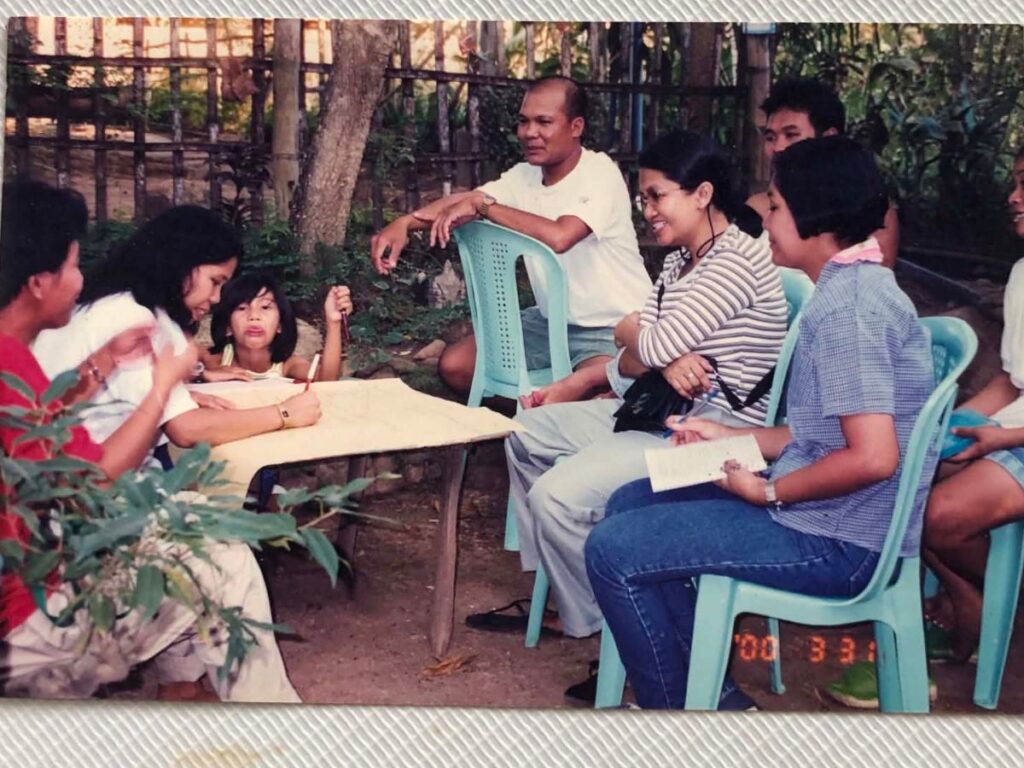
Now years later, I am an environmental and human rights defender too. The violence my mother used to simply document inched closer and closer to my reality; one day, it arrived in the form of a friend’s murder.
On April 19 this year, in the municipality of Toboso, Negros Occidental, 19 people were killed in an alleged armed encounter, which led to deaths that included landless farmers and presumed civilians. This included community organizers and researchers from the University of the Philippines Alyssa Alano (student leader) and Maureen Keil Santuyo (teacher and peasant advocate), community researcher and farmers’ rights activist Errol Wendel, including Filipino-American activists Lyle Prijoles and Kai Sorem.
This list also included poet and journalist RJ Nichole Lacson Ledesma of Paghimutad-Negros—a beloved activist, friend, and environmental and human rights defender from my province.
Leading up to his murder, he was reporting on the impact of a renewable energy project on farming communities in Negros. He also documented, wrote, and fought against the threats of a palm oil plantation in Candoni, and a reclamation project affecting a fisherfolk community in Bacolod. According to a widely-shared post by L. Casenio from one of the farming communities he supported, “Malaking tulong ka talaga sa amin na mga mangunguma, masakit sa amin na wala ka na.” [“You have greatly helped the farmers; we are in pain that you are now gone.”]
It’s not just RJ and the farmers killed in Negros. It’s also the nine indigenous Tumandok leaders killed and 16 others arrested in 2020 for fighting against mega-dam projects in their ancestral land. It’s also Gloria Capitan from Bataan, who was killed in 2016 for her activism to stop coal plant projects that made her grandchildren ill. It’s also Leonard Co, a renowned ethnobotanist killed by the military in the mountains of Leyte in 2010. It’s also Macli-ing Dulag, leader of the Butbut Tribe in Kalinga Province, assassinated in 1980 for opposing the Chico River Dam.
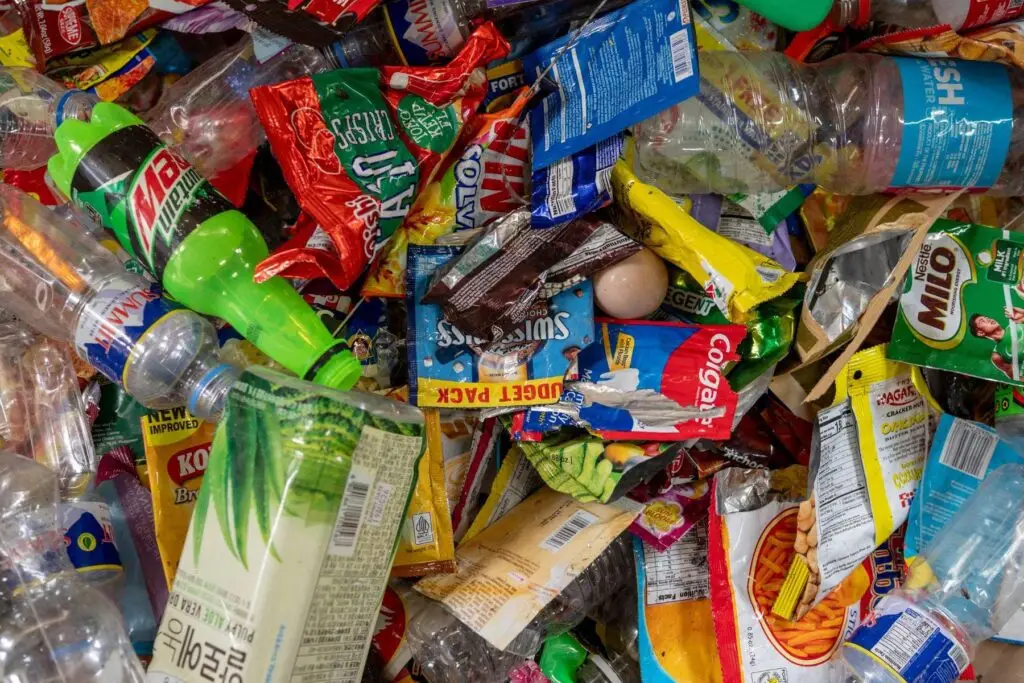
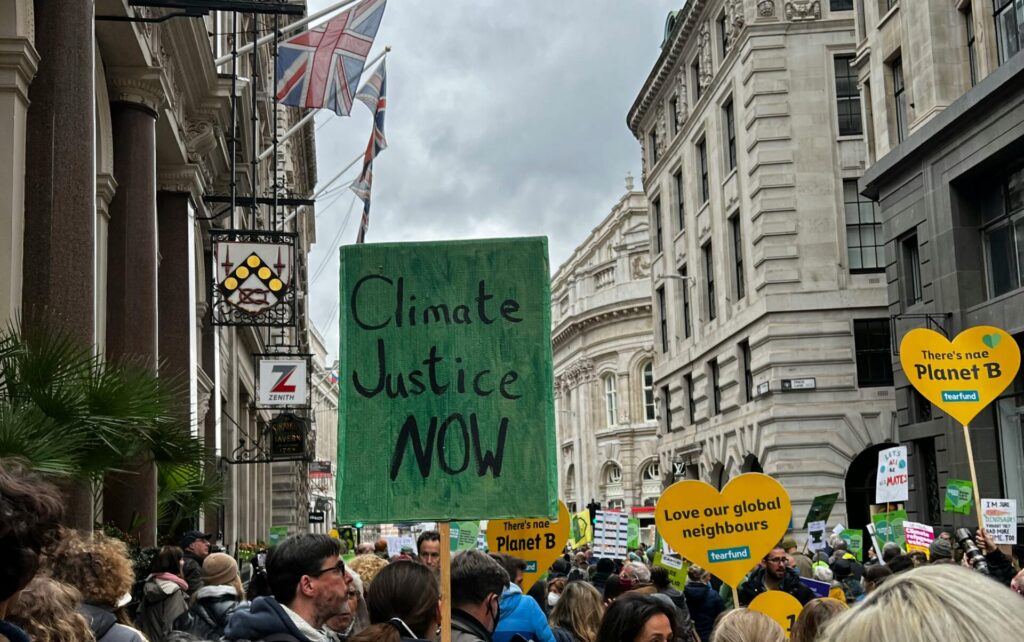
These are the names of just a few of the hundreds of killings and disappearances in the Philippines, not to mention the detainment of environmental defenders all through these years; the most recent of which, four Greenpeace activists detained in Cebu last May 8 during the 48th ASEAN Summit for protesting against the plastic and fossil fuel crisis.
When we lose an environmental and human rights defender, we lose a version of a better world—one that could have only been possible with them in it.
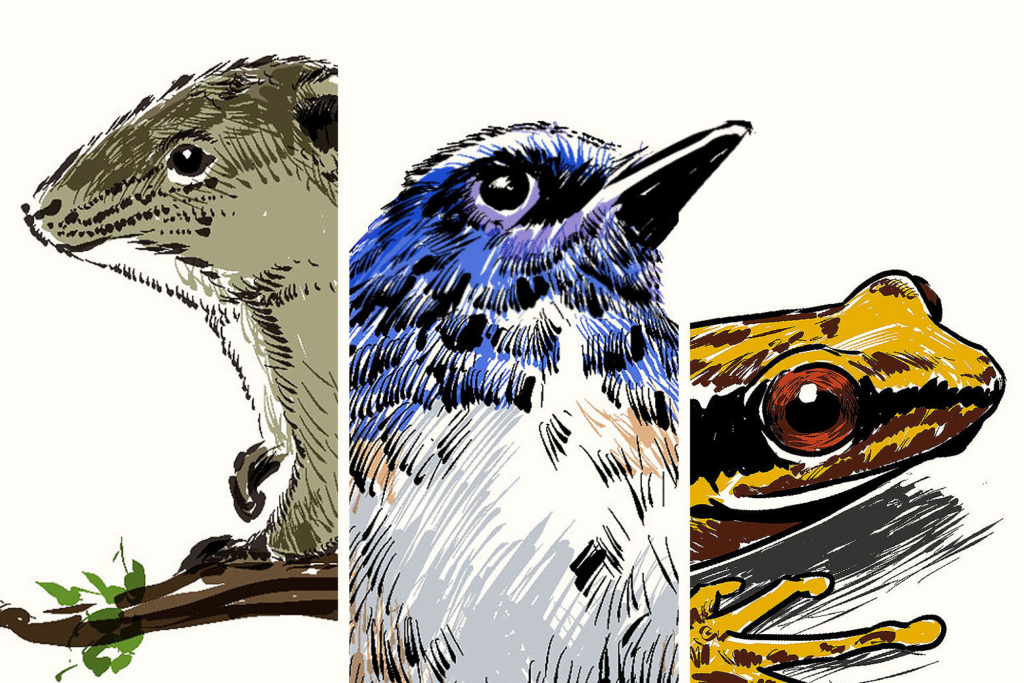
My own environmental activism started when I was 16 years old, when I hiked Mt. Mandalagan in Northern Negros Natural Park (NNNP). The mountain is home to endemic wildlife, provides water to our towns in Negros, and protects us from the wrath of typhoons. I almost cried just looking at it, thinking: I am alive because of these forests.
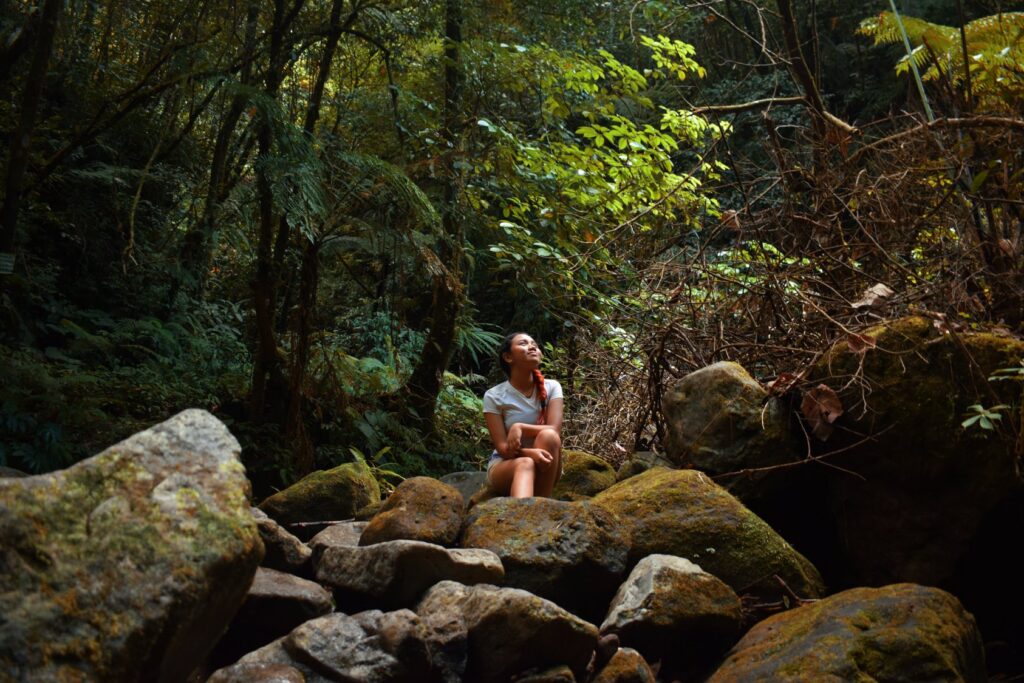
But by the time we reached the summit, we were informed that a corporation wanted to put up a geothermal power plant, cutting down the trees and displacing communities in the process; only to abandon the project if it didn’t generate enough energy and profit.
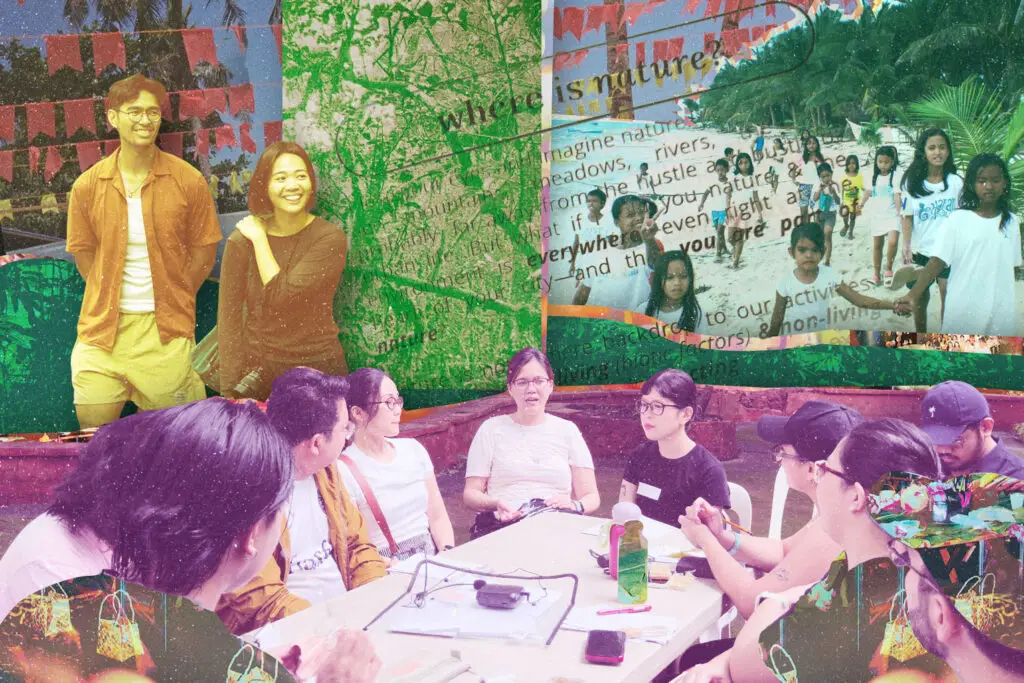
In that moment, I made a commitment to protect all of nature, which includes the communities fighting for it.
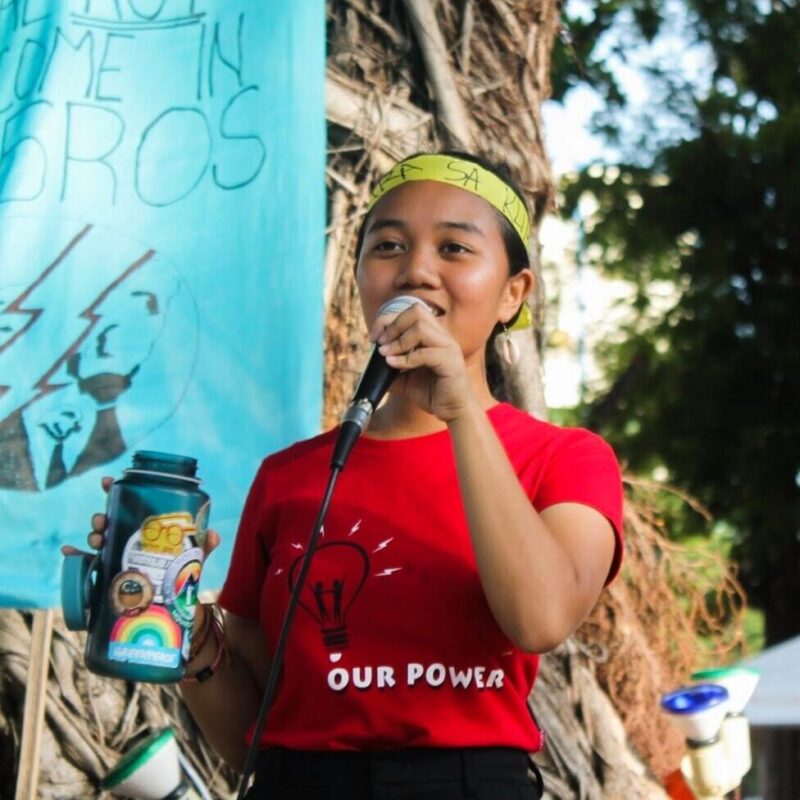
In the beginning, it didn’t feel too heavy to uphold. I felt relatively safe when I was doing advocacy work as a teenager. I’ve always loved writing, so I was happy drafting statements, petitions, amendments in ordinances for officials to read and consider. I organized talks, exhibits, discussions—some government officials would even attend, and a corporation actively polluting our oceans once invited us to partner with them. (Of course we said no.)
I only started to feel the weight of that committment when I started to realize a fundamental truth: That I could not fight for the environment without addressing the roots of poverty and oppression.
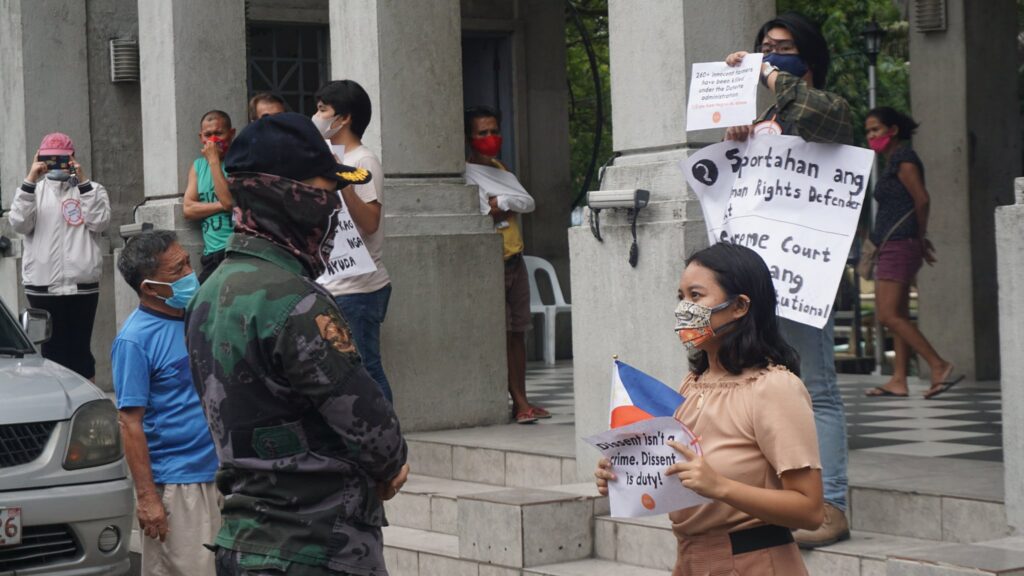
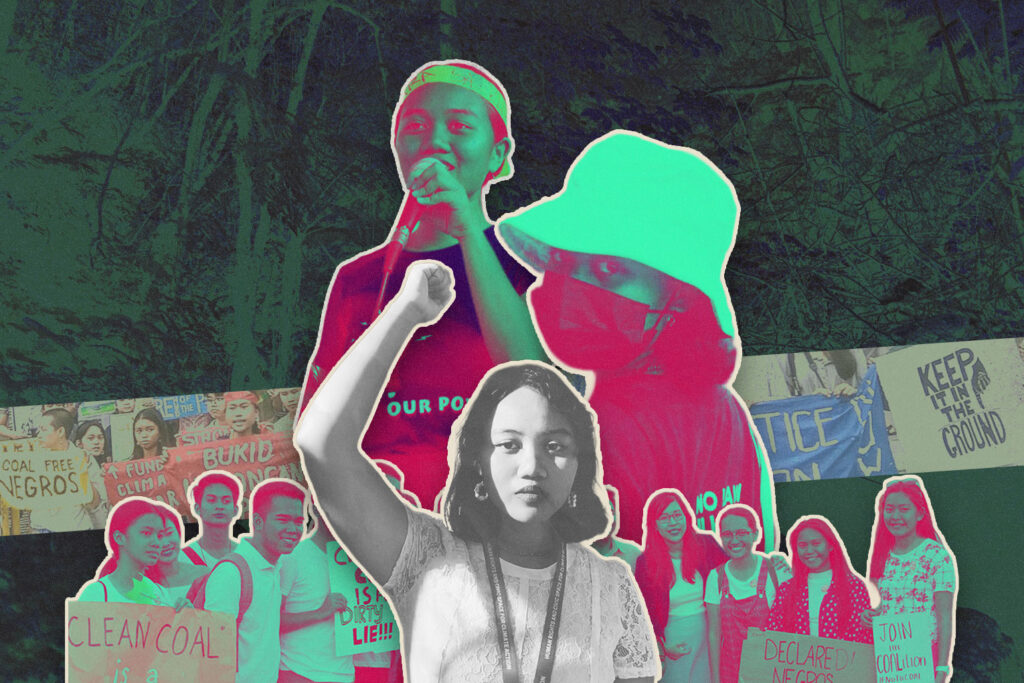
The danger arrived when we started to ask questions about the institutions in power, when we publicly pressured and demanded accountability from officials during the height of the Terror Law, and when we started opposing billion-peso industries engaged in black sand mining in EB Magalona, road construction in NNNP, and fossil fuel projects in San Carlos through delay-and-derail tactics, direct action, and grassroots community organizing.
Police officers threatened to arrest me and fellow 20-year-olds during a peaceful protest. My sister received death threats after posting about a politician with corruption scandals. My best friend, who led our protests, was stalked for months. My allies lost their jobs in government. We were harassed online and offline, surveilled, and included in red lists despite being part of legitimate independent organizations.
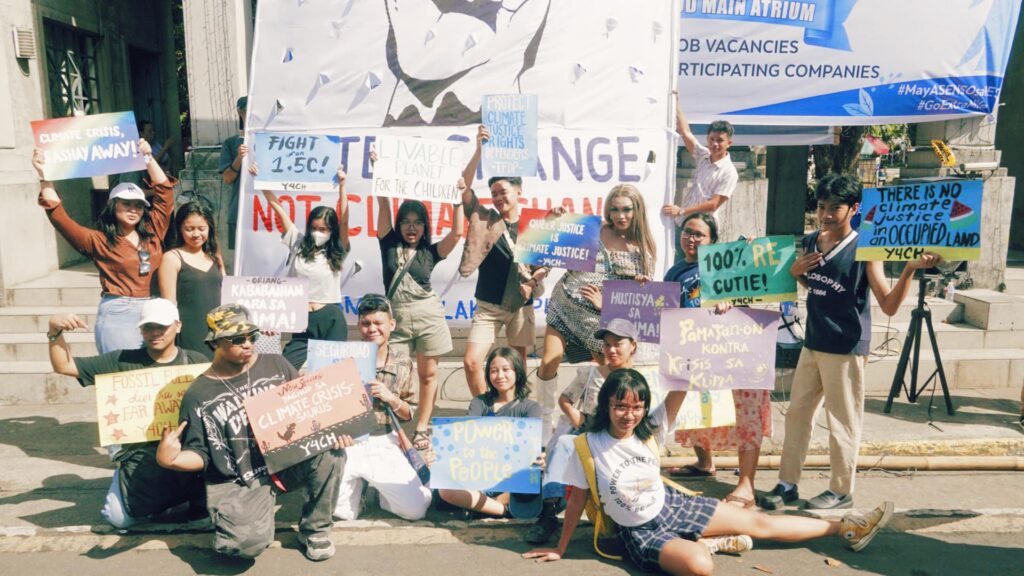
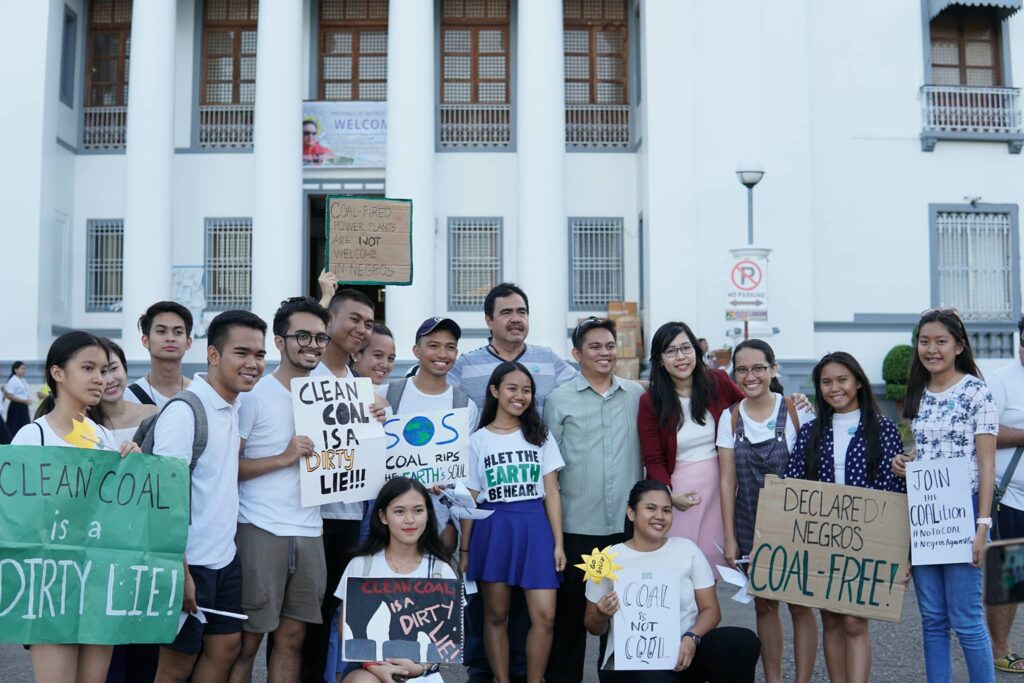
Despite these threats, we continue. In fact, they only strengthen our resolve, reminding us that there is still so much work to do. When I get tired or burn out, I rest—but I know that I will never stop being an environmental and human rights defender. I return to my memories of playing with the farmers’ children—knowing about their families’ ₱1,000 annual income while they insisted on sharing their freshly harvested fruits and vegetables with us. I return to my memories of Mt. Mandalagan—the chilly air, the smell of its old-growth forests, the hidden sea that appears in its crater after summertime. I go back to the sound of my friends’ voices, cheering on the megaphone when we won against the coal-fired power plant in Negros—and the celebratory cries and laughter that followed.
Now, I will add to this list a memory from December of 2025—a hug from RJ when he was still alive, during a gathering in Talisay, not knowing he would be gone just four months later, for upholding a commitment to defend the environment and the farmers of Negros.