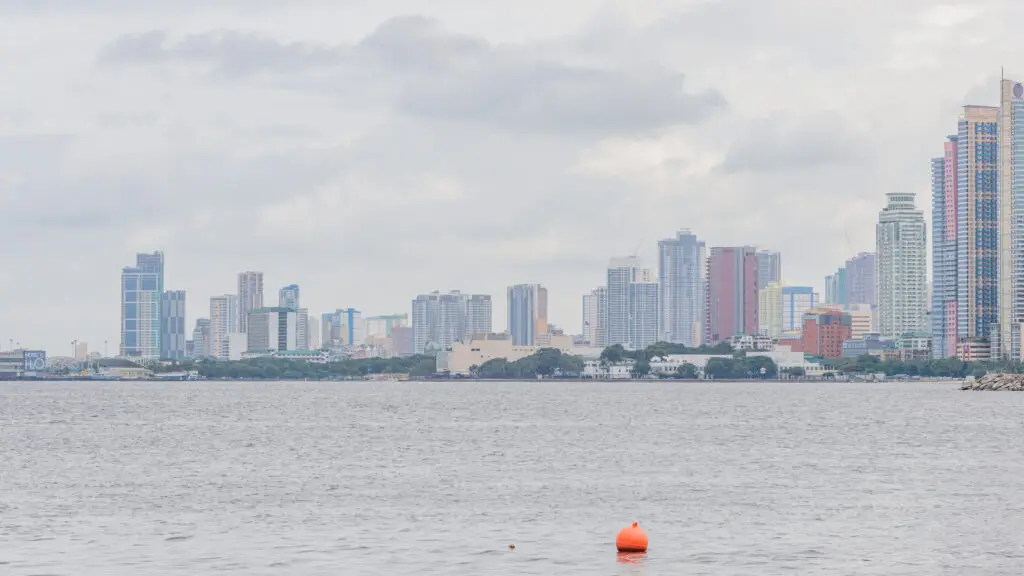








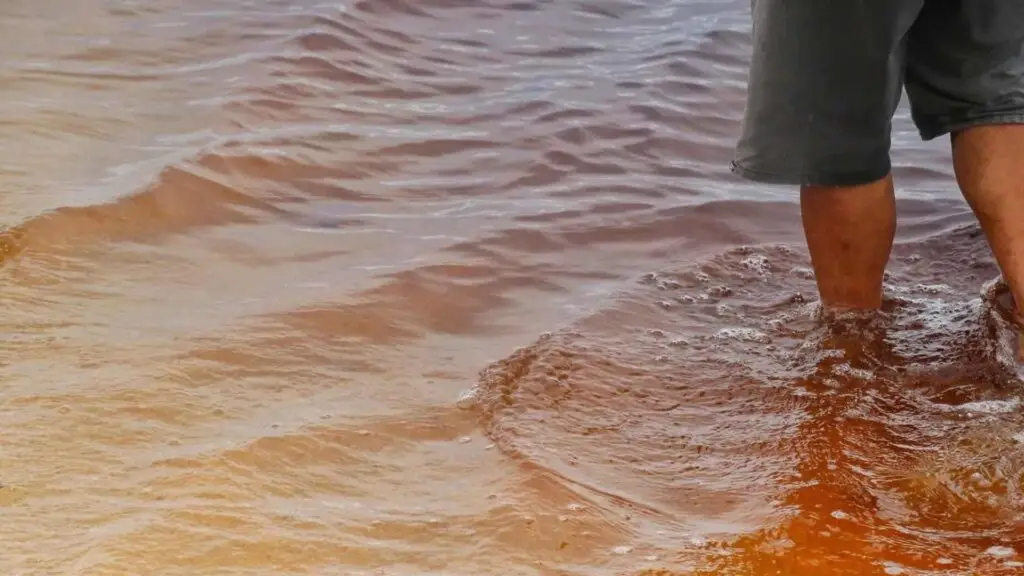
August 4, 2026 · From October 24 to 26, 2025, earthquake-induced cracks and heavy rains caused massive spills of ethanol waste into North Bais Bay after a collapse of the retaining wall of the Universal Robina Corporation-Sugar and RenewablesGlobal EssentialsRenewable energyEnergy derived from naturally replenishing sources (solar, wind, geothermal, hydro).Read more in the Glossary → (URC-SURE) wastewater lagoon. After initial field surveys and drone-based mapping conducted by experts from Silliman University, it was found that between 4,494 and 6,000 hectares of marine and coastal water were contaminated.
The Bais Bay is a part of the Tañon Strait Protected SeascapeLocal Climate & EcologyProtected seascapeA specific category designated for coastal and marine areas of high ecological significance, balancing conservation with sustainable use, used in the National Integrated Protected Areas System (NIPAS).Read more in the Glossary →, which is the Philippines’ largest marine protected areaLocal Climate & EcologyMarine protected area (MPA)Geographically defined marine zones where human activity is strictly regulated to conserve natural and cultural resources.Read more in the Glossary →. Found along the province of Negros Oriental, it holds a diversity of animal life and is a rich breeding and fishing ground for multiple fish species.
Nine months later, recent field assessments by Silliman University’s Institute of Environmental and Marine Sciences (IEMS) and the Angelo King Center for Research and Environmental Management (SUAKCREM) confirmed that up to 69% of total coral in the surveyed reef areas had died. Despite URC-SURE’s assurance that the collapsed dike had been repaired and reinforced with boulders and rubber tires, the death of these reefs are indications that the wastewater spillage had not been fully repaired.
Ricardo Aguilar, president of the Fisherfolk Association of Manjuyod-Bais, told The Daily Tribune that residents continue to observe wastewater flowing through the plant’s drainage canals. In addition, the community had observed more fishkill in May 2026—potentially linked to another wastewater discharge.
In a recent report, ecological assessment team leader Dr. Aileen Maypa noted that organic waste from the spill will continue to sustain algal blooms. Consequently, the rapid growth of algae and phytoplankton will create intense competition for aquatic oxygen, threatening key species such as corals, seagrasses, and fish.
Fisherfolk immediately affected
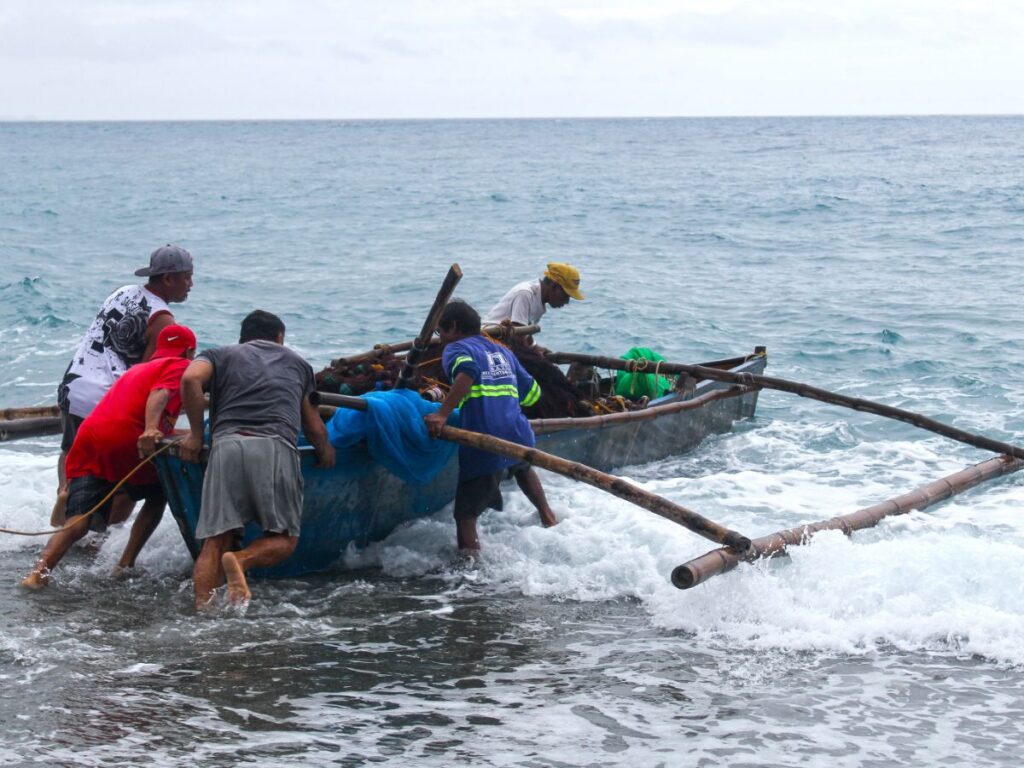
The extent of the spill’s impact on Bais City residents and livelihoods prompted the local government to declare a “state of calamity.” The plant’s operations were also immediately suspended. According to the PNA, an estimated 5,000 fisherfolk families across 19 coastal barangays were displaced from their livelihoods; individual operator losses documented up to ₱1.8 million.
Multiple environmental groups are urging for the communities’ immediate economic assistance and long-term compensation. According to Hakson Inc., a grassroots environmental organization based in Negros Island, URC-SURE has a decades-long record of unsafe waste and pollution management.
URC to be held accountable
Von Hernandez, leader of environmental organization Oceana, calls for timely and decisive action from regulatory agencies following the significant risk and harm presented by scientific evidence. He urges the prevention of further degradation and to begin efforts towards environmental restoration. He expresses, “We call on the national government and other concerned agencies to respond with urgency in ensuring that the Tañon Strait, the largest marine protected seascape in the country, is never again treated as a sacrifice zone.”
Upon initial reports in October 2025, the DENRPH Laws & FrameworksDepartment of Environment and Natural Resources (DENR)The Philippine executive department managing forests, protected areas, mining permits, and pollution control. It is the primary regulatory counterparty for environmental compliance, natural capital valuation, and the issuance of permits governing resource extraction and land-use changes.Read more in the Glossary → shared that an inter-agency task force had been created in order to assess the situation, test water quality, and determine the environmental impact. However, no further efforts have been made based on the more recent signs of spillage.
Atty. Rose-Liza Eisma-Osorio, Oceana’s Senior Director for Campaigns and Policy urged the local government and the DENR to initiate more efforts with urgency considering the nature of its impact on the source of food and livelihood of the affected coastal communities.
Banner image: Courtesy of Aldo Banaynal