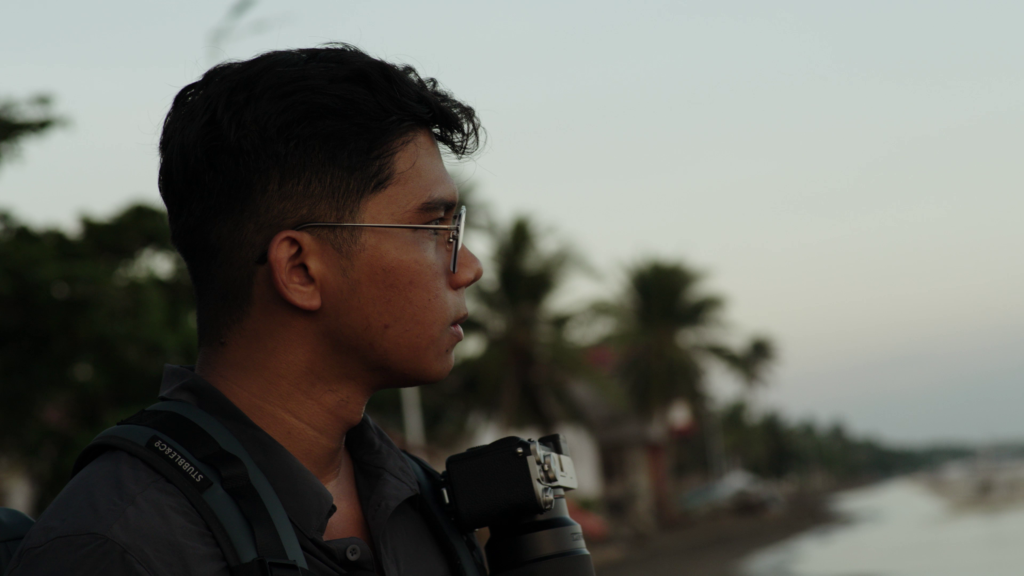



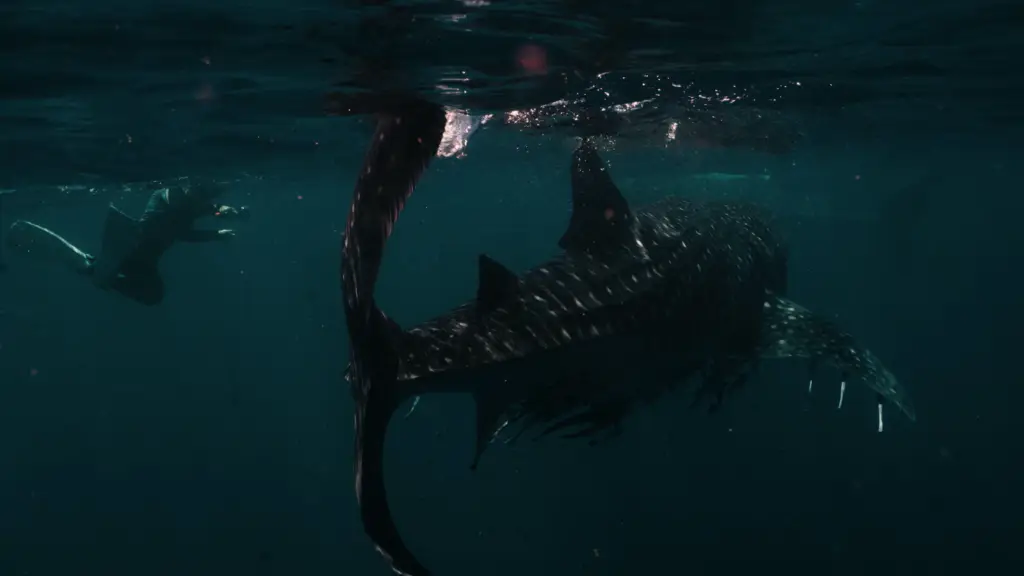
August 28, 2026 · After discovering the whale shark feeding site in Oslob, Cebu, travel and wildlife filmmaker Renzo Maano was urged to share their story. Backed by a grant from Ocean Culture Life, a global group of ocean advocates that uses storytelling to drive marine conservation, he turned that vision into reality.
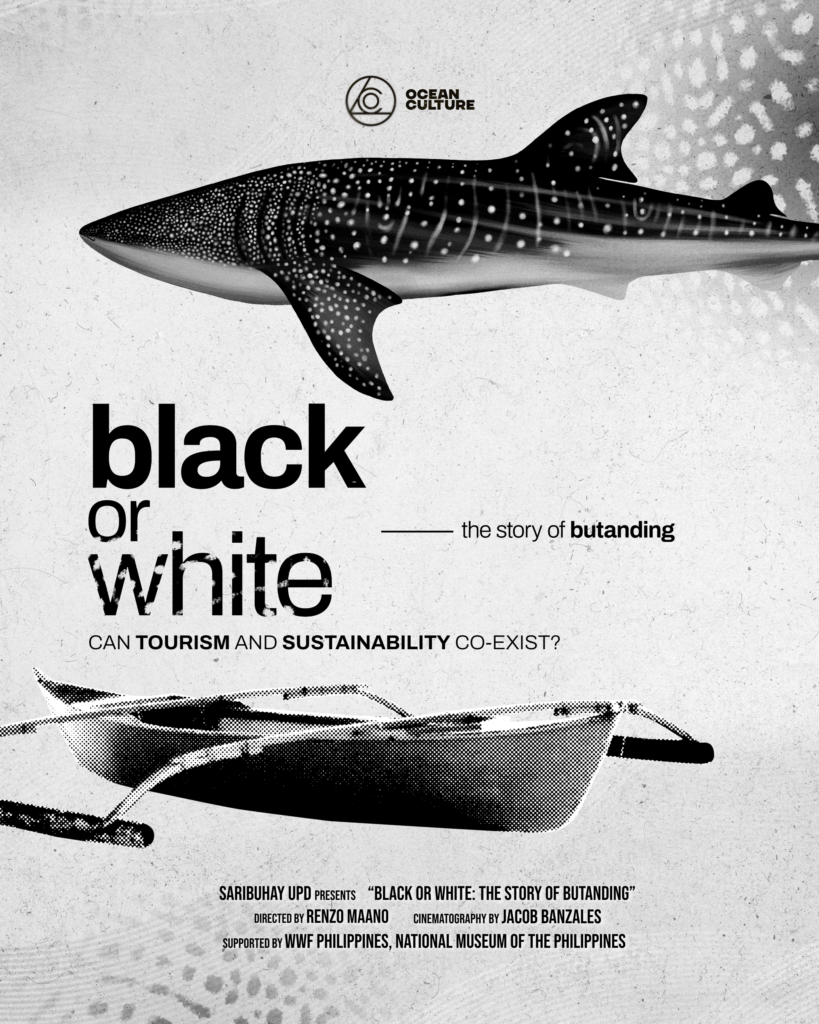
Black or White: The Story of the Butanding dives into the nuanced world of whale shark tourism. A 45-minute short film, it examines the environmental consequences of hand-feeding these gentle giants alongside the indispensable economic lifeline it provides to local residents.
The film explores a highly debated conservation issue in the Philippines: whale shark tourism and artificial feeding. It brings together scientists, conservationists, local communities, and tourism stakeholders to examine the complex balance between protecting marine wildlife and supporting local livelihood.
Maano began his work in conservation around three years ago, creating films about endangered wildlife, and working with NGOs to help them promote their conservation work.
From hunting to feeding
In the past, whale sharks were largely fished in the Philippines. The shift from whale shark hunting and meat sales to national protection under government bans occurred through the enactment of Fisheries Administrative Order (FAO) 193 in 1998.
Internationally, whale sharks are protected under the Convention on International Trade in Endangered Species (CITES) Appendix II to ensure international trade does not threaten their survival.
Despite these legal frameworks, local provisioning in Oslob continues, as existing regulations do not explicitly penalize tourist feeding.
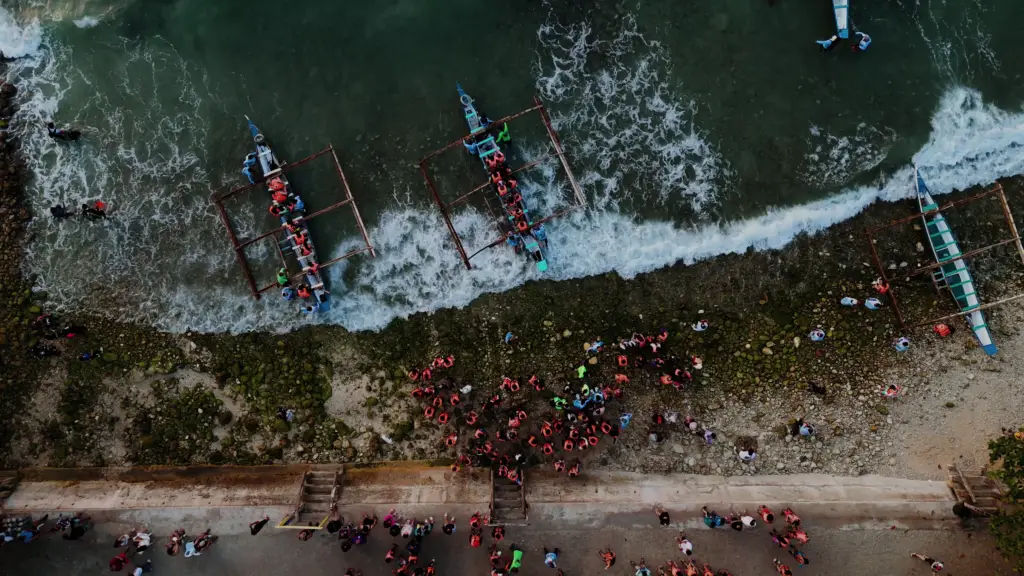
Through the perspective of environmentalists and scientists, the film highlights the environmental effects of artificial feeding of whale sharks as it alters their natural migration, diving, and foraging behaviors—leading them to be dependent on humans as their main source of food. On the other hand, the film also documented how Oslob is able to bring in millions of pesos annually from whale shark watching.
In the film, marine scientist Dr. Gonzalo Araujo highlighted the life-changing economic shift for local communities, explaining that whale shark tourism funded basic needs for hundreds of local families. Daily earnings jumped from around a hundred pesos from fishing to over a thousand pesos through tourist activities.
Approaching the subject
In setting out to create the film, Maano acknowledged the obstacles he would have to face in sharing a story that affects many local communities. He began his creative process with an open mind, conversing with as many stakeholders as he could to fully grasp the many sides of the multidimensional issue. In his encounters, he faced pushback from different stakeholders who declined to be interviewed, while some remained completely unresponsive.
Rather than taking a specific side on the issue, he aimed to use the documentary as a platform to tell the stories of the people involved. Maano shared, “I wanted to focus on getting to know the person that humanizes the subject.”
Titling his film “Black or White” came from a constant questioning of navigating the ethical uncertainties posed by these different subjects—what may be good or bad, who is the majority or minority?
The film raises uncomfortable questions: How much environmental damage can we tolerate at the expense of economic growth? And conversely, can we afford to deprive local communities of their livelihoods? For Maano, he believes there is truly a gray area. In believing in only one or the other, we reject a common dwelling.
The film then highlights the planet-centered approach of the Pintuyan community in Southern Leyte. Unlike Oslob’s heavy reliance on artificial feeding or Donsol’s seasonal high-density boat traffic, Pintuyan utilizes a community-led spotter system that maintains natural interactions without provisioning. Maano was deeply moved by this setup, viewing it as concrete proof that human livelihoods and marine preservation can coexist without sacrificing one for the other.
Rather than dictating one solution, Maano chooses to place the ultimate decision with the viewer. When asked what he hopes people feel or do once the credits roll, he answered: “I want to make people aware of the whole story and the other side of the coin.”
Following its July 2026 premiere in UP Diliman, the film is now available for public viewing on Maano’s Youtube channel.