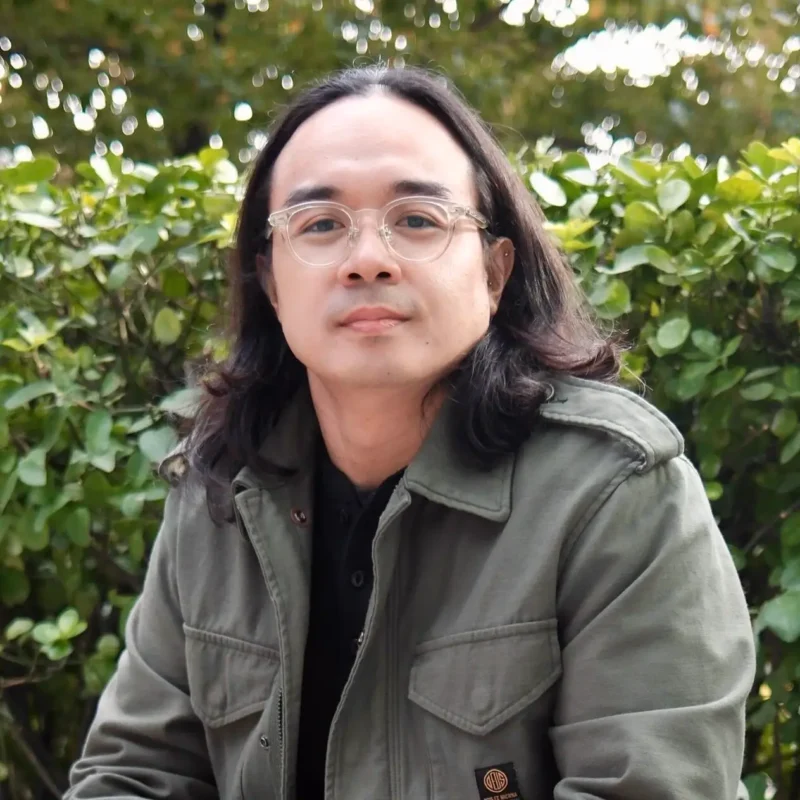


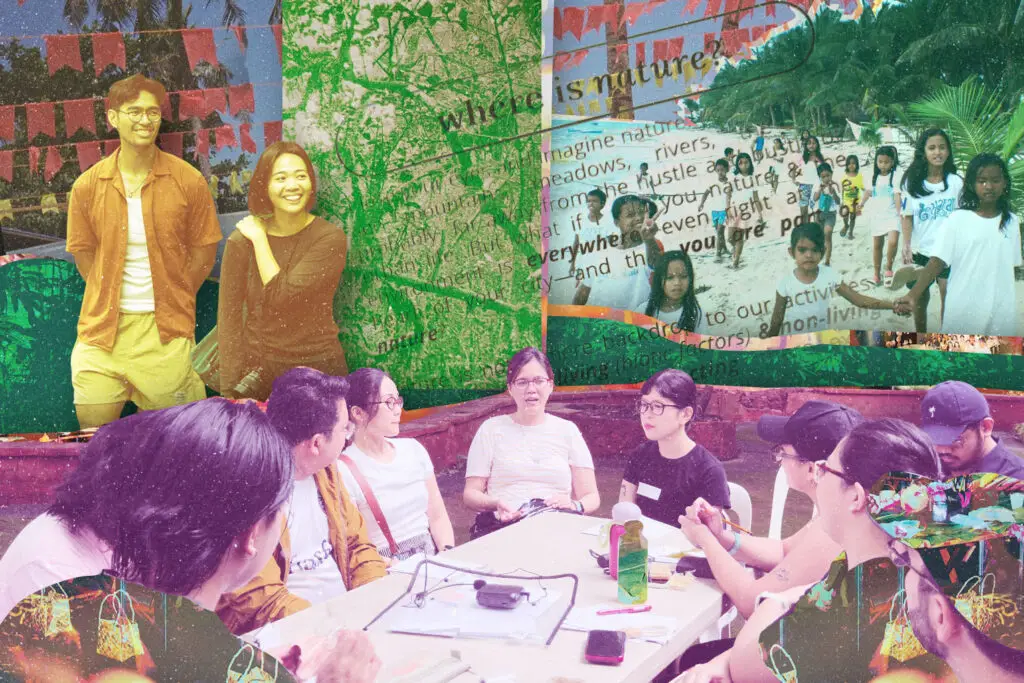


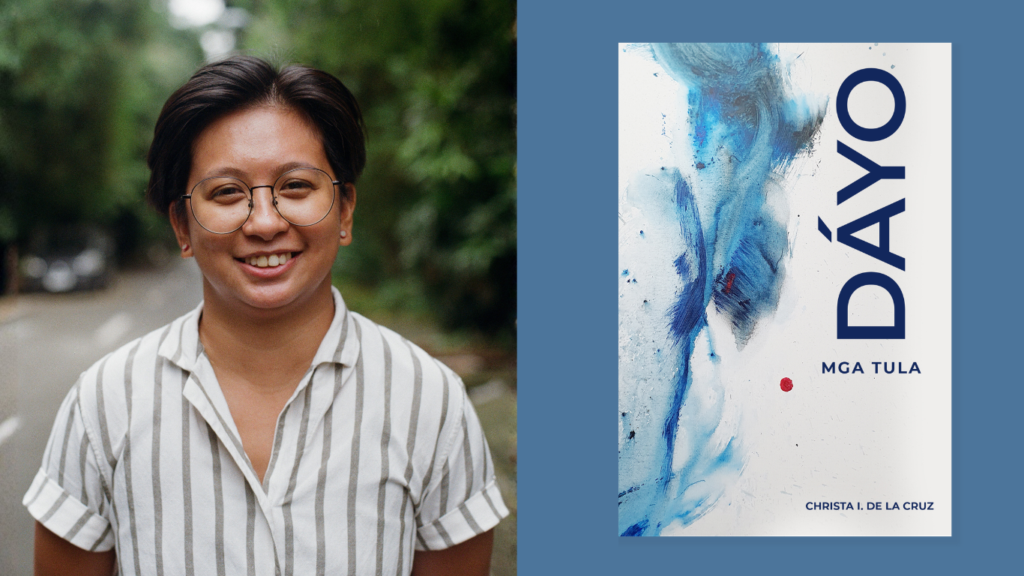
October 30, 2026 · Having wandered across the archipelago for over 15 years as a lifestyle writer, Christa De La Cruz has seen how the natural world has changed, much to its detriment. Heeding the warning of scientists that the world is at a critical climate tipping point, she asks, “What can I do as a travel writer, as a poet, and as a traveler myself?”
Her response is her latest poetry book, Dáyo: Mga Tula, a collection of 31 eco-travel poems written in Filipino, published by De La Salle University Publishing House and Grana Books.
She described the book as the “perfect interconnection” of her background. Before becoming an editor at Esquire Philippines and a writer at SPOT.ph, Dela Cruz studied chemistry. Later, she joined Linangan sa Imahen, Retorika, at Anyo (LIRA) and studied creative writing for her MFA.
The term “ecopoetics” entered contemporary circulation in 2001 when American editor Jonathan Skinner founded the ecopoetics journal. As defined by the Poetry Foundation, ecopoetics “places emphasis on drawing connections between human activity—specifically the writing of poems—and the environment that produces it.”
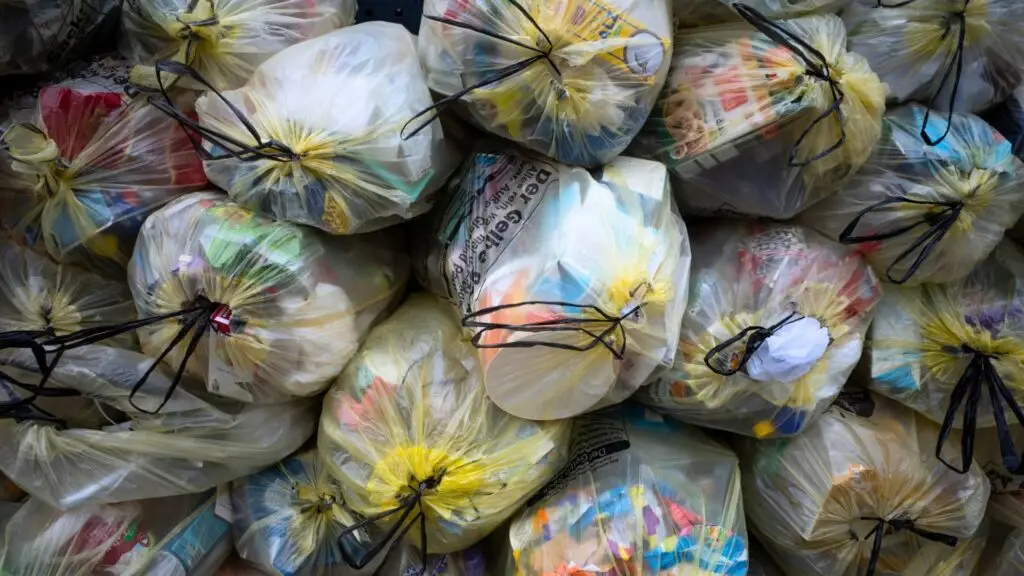
Travel ecopoetry, then, is neither a field notebook nor romanticized wanderlust. The genre, as De La Cruz notes, subverts the classic “tourist gaze” and emphasizes environmental consciousness as the poet, “confronts the ecological cost and systemic realities of travel and tourism.”
De La Cruz’s poetry collection is sectioned into three: “Paglisan,” “Paglalakbay,” and “Pagluwas.” She shares that this is her loose translation of Joseph Campbell’s separation, initiation, and return in the hero’s journey. “This structure of the narrative is also closely tied to how we travel.”
As a travel writer, the complexities of advocating for “real sustainable tourism” is not lost on De La Cruz. “More fossil fuels are burned with every flight I take for a junket or a cruise I participate in for a sneak peek coverage. Newly opened tourism properties that I get invited to may have a history of straining local resources in one way or another. Every hidden gem I write about risks getting overrun by mass tourism,” she says.
One of the changes she observed was in San Juan, La Union. “In 2009, the road by Urbiztondo Beach was all empty lots and tall grass; but now, it’s dotted with bars, restaurants, and resorts.” These changes were driven by the sudden rise of mass tourism in La Union in 2019. But more than the increased number of establishments, she highlights “that beach strip is an important nesting site for sea turtles, where light and noise pollution now directly threaten their survival.”
The poems in the collection mirror this sensitivity to the ecological problems arising in every locality she has visited.
“Mga Diona sa Puting Buhangin” captures the trade-offs in building infrastructure for tourism convenience. She writes, “Bagong tulay daw ang sagot / para ang isla’y malibot / korales ang malalagot.”
In another poem, “Lupaing Ninuno sa El Nido,” she critiques the displacement of the indigenous people in El Nido, Palawan, in what the oligarchs claim as progress. “’Sustainable tourism’ daw ang itawag / sa lupaing mayayaman ang may hawak.”
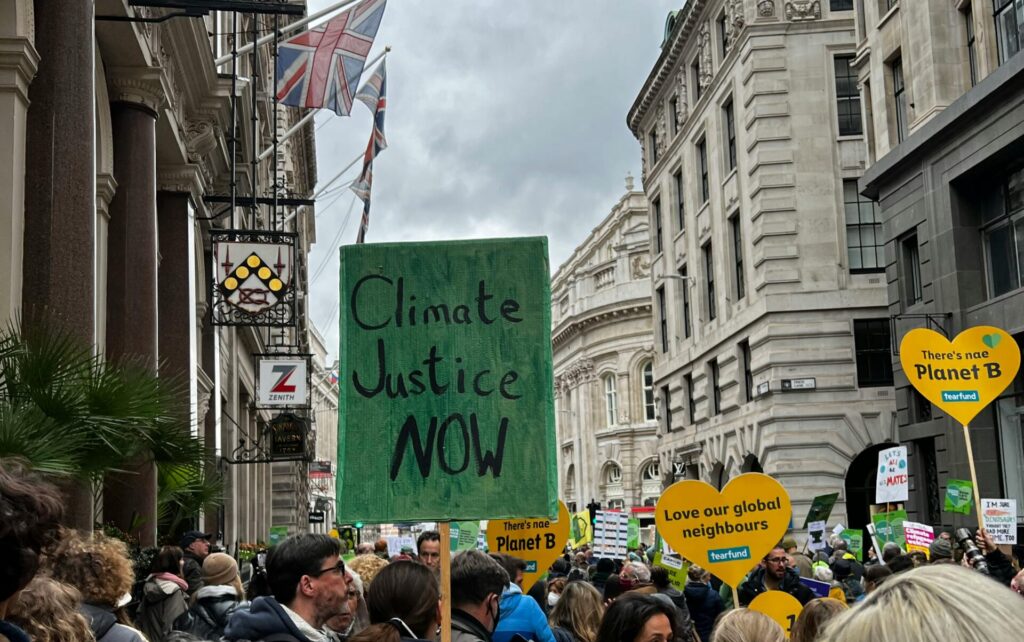
For Dela Cruz, ecopoetry is all about interconnections. “We cannot talk about the degradation of the environment without talking about the socio-political forces that drive it, and more importantly, the communities directly affected by it,” she says.
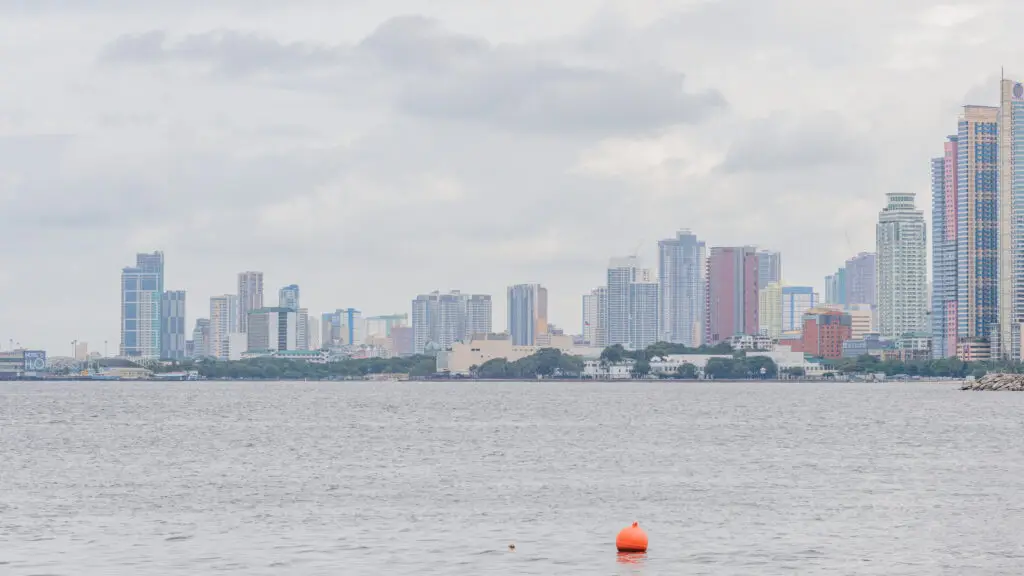
“Our concept of progress remains deeply colonial. When we think of progress, we think of how foreign countries build their roads, their skyscrapers, their trains. Unfortunately, this comes at the expense of our natural environment. But what should progress mean for our people?”
Her poem “Banana Ketsap” again exemplifies this paradox. The poem begins with a festive mood, providing images of celebration throughout the city. But it eventually leads to a sharp ending. “Hindi na tumutubo / ang mga palay, mais, at gulay. / Hanggang kailan mabubuhay / sa saging ang lupang ginamot / sa ngalan ng banana ketsap?”
“Maybe true progress,” she suggests, “lies in sustaining these resources rather than exploiting them.”
As a writer skilled in citing facts, reading data, and gathering important information, it may be easy to assume that she can expose issues in her feature articles and essays. But De La Cruz—also a Palanca Award-winning poet—refuses to resort to jargon that may further estrange the readers from the existing crises. Instead, she uses a language closer to the tongue of the people—the language of their days, the language of their dreams.
Poetry, for her, is the better way to vividly describe her observations, both beauty and destruction. Like the tree in her poem “Kapitbahay,” where she writes, “Mapagbigay ang puno,” her poems reveal new layers of meaning each time.
The poet becomes an ecologist who chants and enchants. With this, one begins to see because the words distill the ecological concerns through a different articulation.
This change in perspective may also be the best position one should assume: that of an outsider. A dayo—the Filipino word for a foreign traveler—looks at the world with a new lens. Each travel begins with wonder, but the longer one stays, the more the feeling changes.
“Dáyo as a noun may connote superficiality and even performativity in travel, but I argue that journeying can be transformative. And this transformation is not only internal (avoiding the pitfalls of classic travel poetry), but also ultimately leading to an awareness of actionable hope.”
“[M]aybe by seeing these places ourselves, we become more aware of what we are about to lose if we don’t act soon.”
This idea of impermanence and fleeting beauty is what motivates De La Cruz to keep travelling. Yet she does not mean it with pessimism. Despite believing that all will be gone someday, she remains hopeful. As the persona in the poem “Isla Silaqui” declares after seeing the restoration of natural resources in once barren sea, “Maaari naman pala.”