
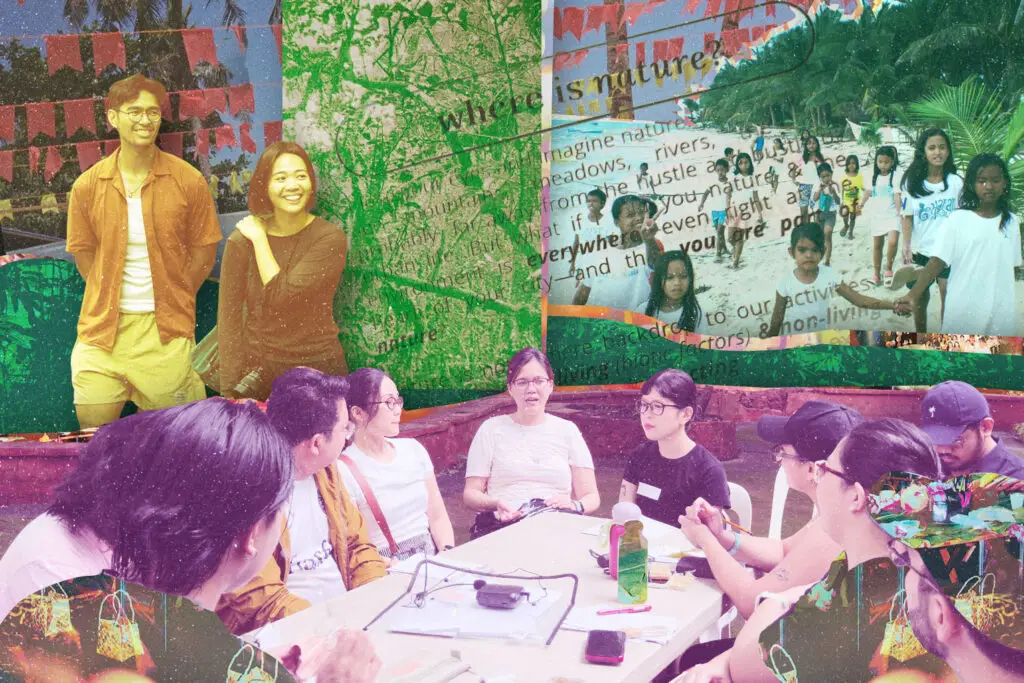

February 18, 2026 · Tropikalye is a crowdsourced online index of the Philippines’ unconventional design decisions by Manila-based visual artist Nice Buenaventura. Described as the accidental intersection between aesthetics and the everyday, Tropikalye reveals “the design decisions people tend to make unconsciously, normally out of need and out of craftiness,” said Buenaventura.
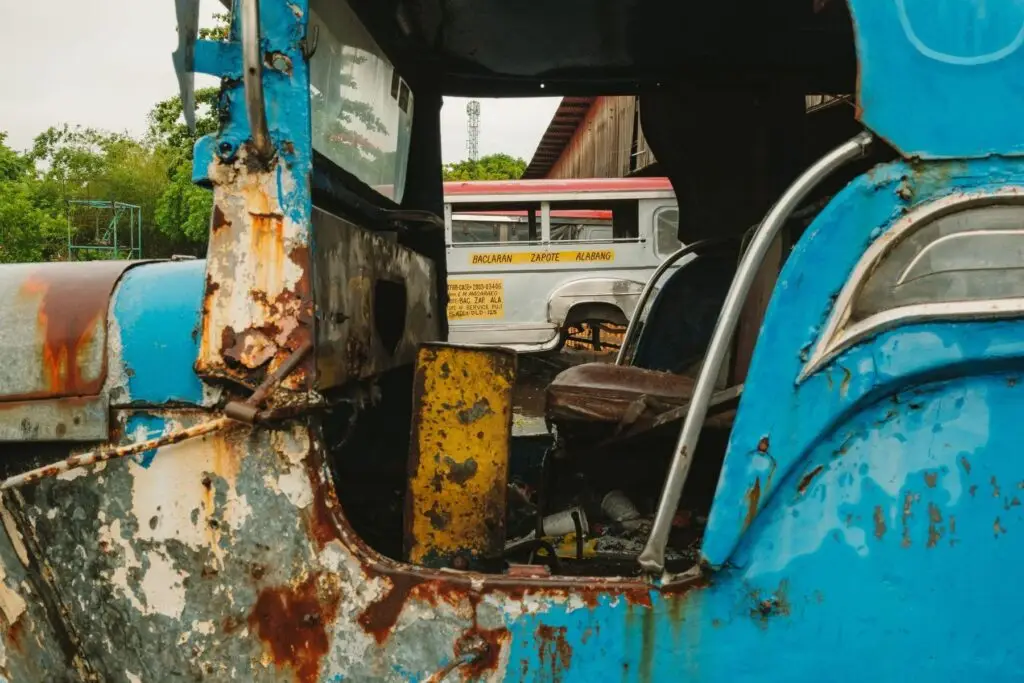
The index, which mostly lives on social media, operates through crowdsourcing: people submit photos of interesting design use cases under different Tropikalye hashtags. These use cases include a response to the immediate environment (#TKColorCooling), or a reflection of Filipino diskarte in light of scarce resources (#TKparaparaan).
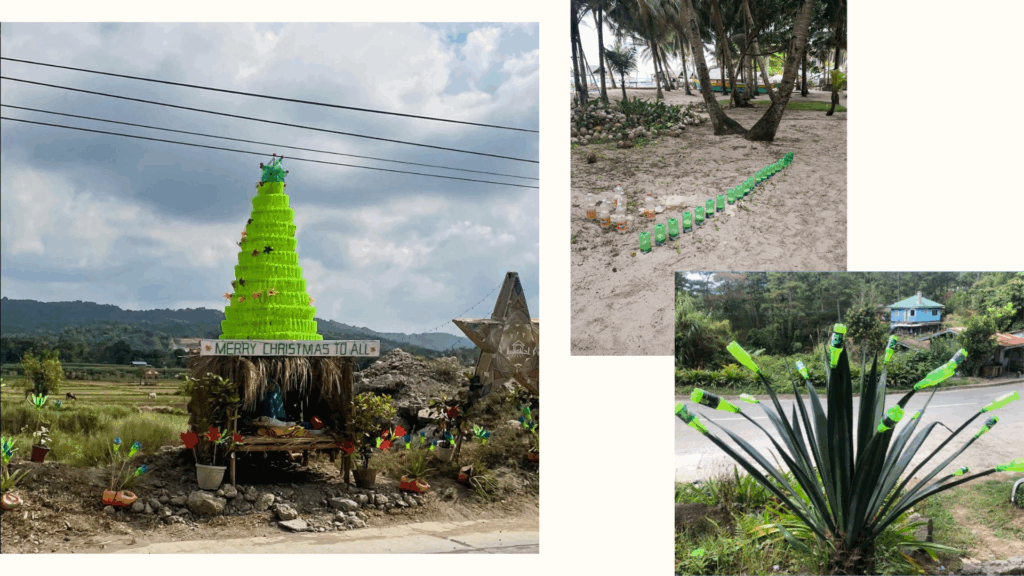
Repurposed green plastic bottles—from Christmas trees to intricate float decorations to school yard designs—are a common sight in rural areas around the Philippines. These bottles are often rejected by junk shops and recycling facilities due to their opaque color, making them harder to recycle.

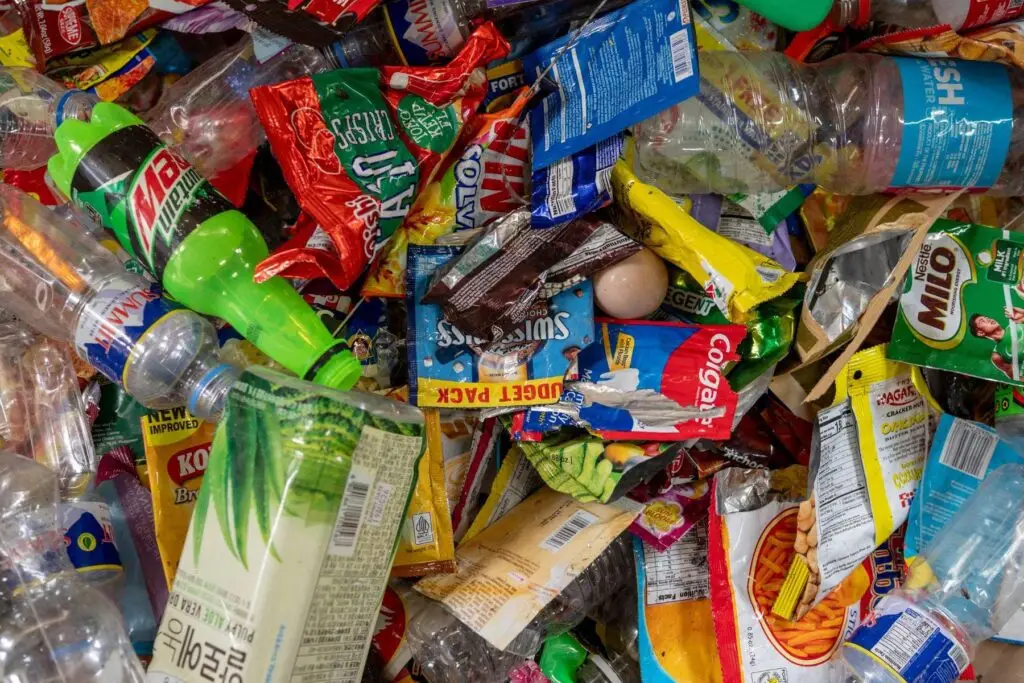
When not properly segregated, plastics with strong colorants can affect clear PET streams and turn recycled plastic into “dirty grey” colors that brands and manufacturers do not want to use for their products. As a result, these plastics tend to stay with the user, left to be reimagined into something else.
In 2019, Sprite swapped out their iconic green bottles for transparent ones. But some brands are yet to make the transition. PepsiCo, the company behind Mountain Dew, continues to produce its soda in acid-green bottles, despite petitions to eliminate green PET bottles in the country.
Filipinos repurposing discarded plastic can create a false image of circularity, when it is actually a sign of adaptive resilience in response to infrastructure gaps. True circularity in design eliminates the need for individual adaptation.

The use of mint green on architectural surfaces is another popular use case archived by Tropikalye. According to their research via Google Street View, mint green is a “shared cultural indicator” by countries along the tropical belt, all the way to the Carribean. In hot climates, lighter colors are often preferred because they reflect more sunlight—and mint green, in particular, has long been associated with having a perceived cooling effect. Green and white paint are also among the most affordable colors on the market.

“Another theory that was shared in the index by one of our community members, is that in coastal regions, boats are typically painted seafoam green, and the maritime-grade paint surplus gets extended and used on houses,” said Buenaventura. Fishing boats typically have bright colors to make them more visible at sea, and using marine-grade paint on houses in coastal settings helps to resist fading, chalking, and corrosion.
In all the years Buenaventura has run this archive, what stands out to her is the consistency of these design thinking strategies across space and time. Whether it’s improvised shade, recycled materials, color-coding, or makeshift signage, similar solutions keep emerging in different places, suggesting a shared design language shaped by heat, constraint, and adaptability.
At the same time, the archive shows variation and personality. “Tropikalye doesn’t just document ‘resourcefulness’ in a generic sense. I like to think that it reveals how creativity operates at the intersection of necessity, imagination, and culture,” she added.


“Tropikalye has become less about collecting clever objects and more about understanding these practices as a form of everyday knowledge production—a living archive of how we, as a people, think, solve problems, and inhabit space under uneven conditions.”
Credits to @jeprensolis and @valdezwaren for the featured images.