









August 19, 2026 · For many Filipinos, extreme rainfall is as certain as Christmas in September.
It’s a familiar statistic by now: The Philippines is hit by an average of twenty typhoons every year, and as a result loses about ₱48.9 billion in economic damages.
But the rains that battered Luzon this August were not the result of storms that made landfall in the country—they came from the enhanced southwest monsoon.
The southwest monsoon, or habagat, is a naturally occurring, seasonal wind pattern that carries warm humid air across the Philippines, causing prolonged heavy rain in Luzon and western Visayas from July to September. It is often intensified by nearby tropical storms.
While the typhoons themselves largely stayed offshore, the supercharged habagat still caught the country’s attention.
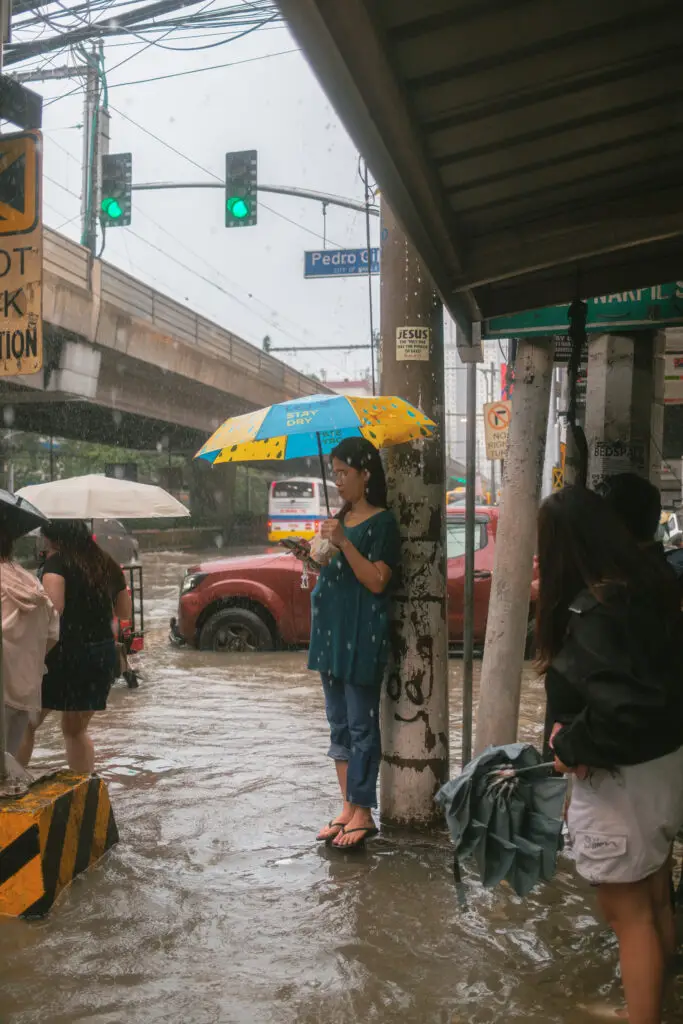
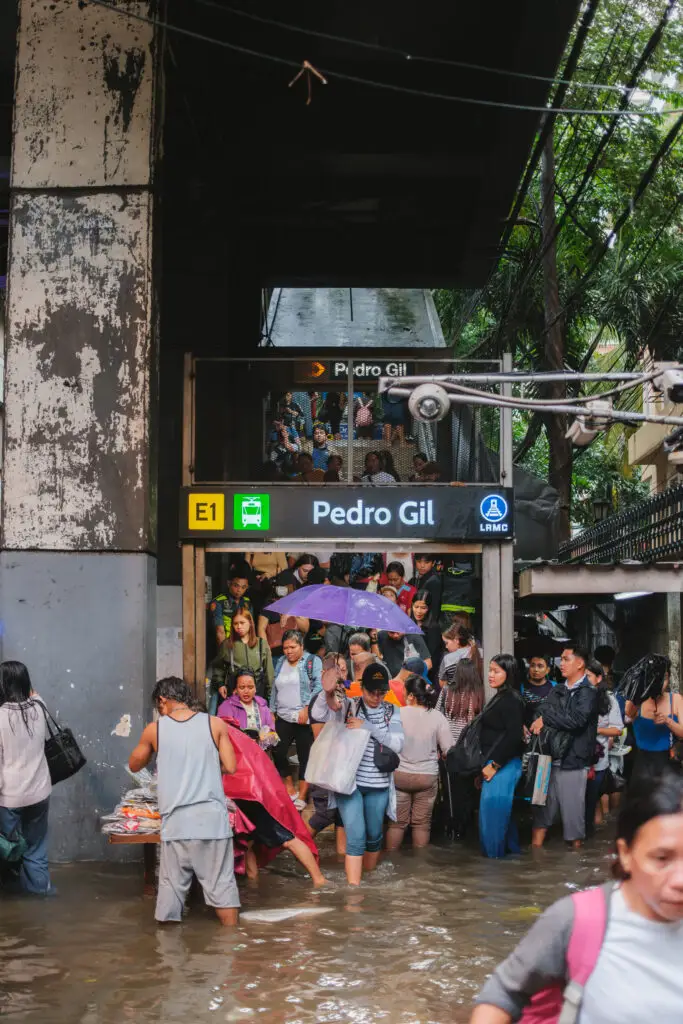
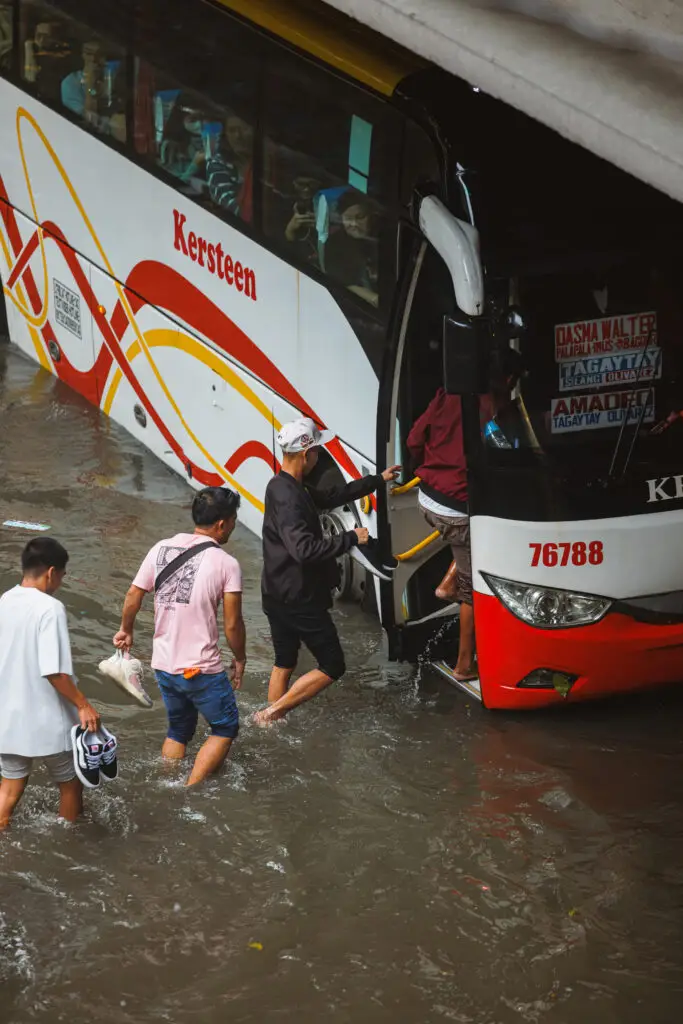
In the first week of August, rainfall exceeded the average total rainfall for the month, according to the Philippine State Weather Bureau (PAGASA). A month and a half’s worth of rain was recorded in Baguio, causing landslides and widespread destruction, while in Quezon City, nearly 90% of the monthly rainfall average poured over nine days.
On Monday, August 17, Metro Manila recorded a rainfall amount of 201.7mm—nearly half of the total amount of rain dropped by Typhoon Ondoy, one of the worst typhoons to hit Metro Manila in 2009, causing severe flooding and widespread destruction—all within five hours.
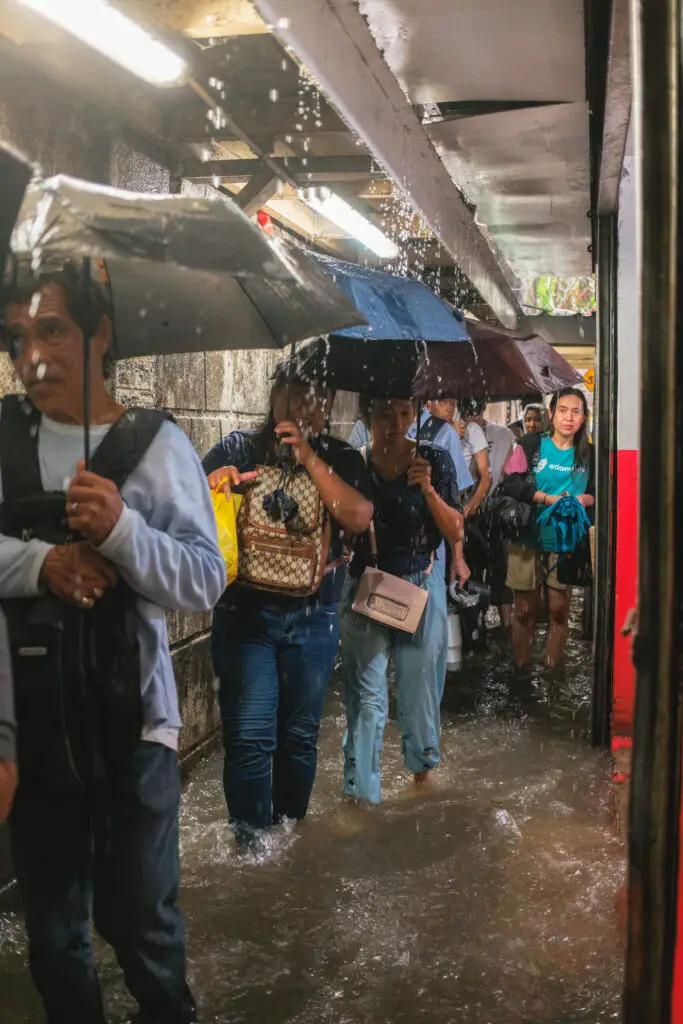
A close repeat nearly happened on Monday: Gutter- to knee-deep flash floods flowed across major cities, including along the major highway EDSA. Photos and videos of cars floating, and of students, office-workers, and regular commuters stranded or wading through flood waters circulated on social media, reigniting public anger over the lack of genuine flood control projects.
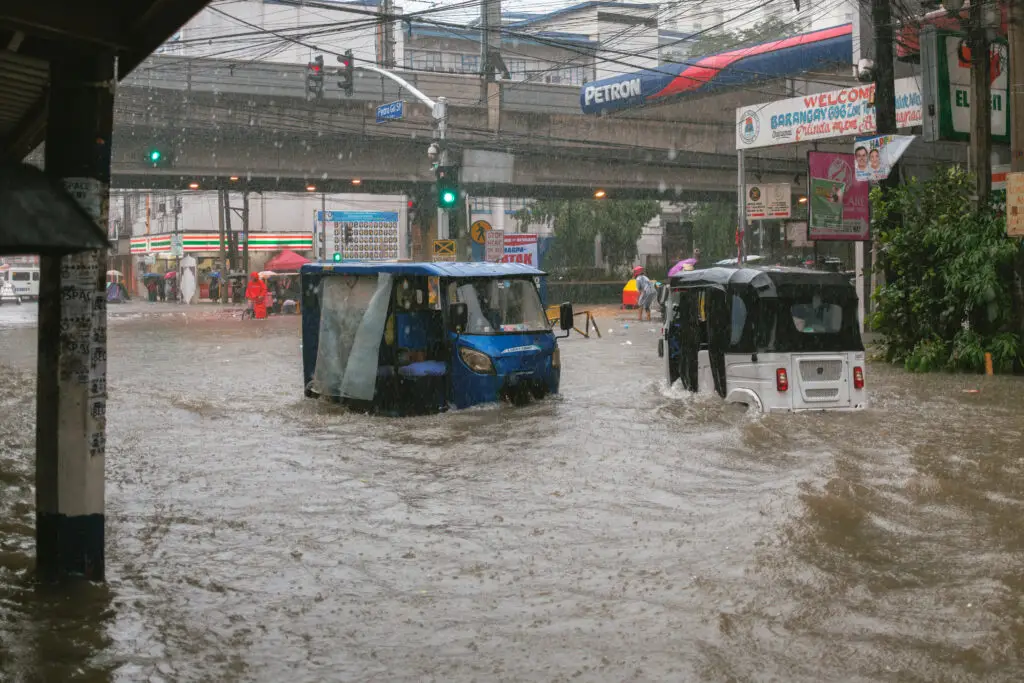


Flood control corruption has cost the Philippines over a trillion pesos (approximately $17.6 billion USD), according to Senate estimates. Prosecutions, which began over a year ago, remain slow, with only a fraction of the stolen funds recovered.
As early as April, PAGASA noted that the stronger El Niño could make habagat more active this year, resulting in above-normal rainfall.
The last three weeks shows the skies have kept their promise. But while extreme rainfall has become certain, the floods do not have to be.