


September 9, 2026 · In Limiting Overshoot, a new report by the United Nations Environment Programme (UNEP), researchers say that global temperature will exceed 1.5ºC in the next few years, meaning higher levels of warming and more intense risks for people and nature.
Governments and leaders are implored to move with “urgency and determination” to limit the consequences or avoid the overshoot from happening at all, but experts underline the challenge.
What does this mean?
There are no positive outcomes from global temperature rising to 1.5ºC, which is why it was set as the limit in the 2015 Paris Agreement established at the United Nations Climate ChangeGlobal EssentialsClimate change/Climate crisisClimate change refers to long-term changes in global temperatures, weather patterns, and the environment resulting from anthropogenic activity such as burning fossil fuels and deforestation. These changes continue to happen…Read more in the Glossary → Conference (COP21). The agreement, adopted by 195 parties, set the goal to limit global warming to a 1.5ºC increase, which was said to be achievable if emissions peaked before the end of 2025. This did not happen.
Instead, carbon dioxide (CO2) emissions from fossil fuelPH Laws & FrameworksCoal moratorium & fossil fuel phase-outRegulatory bans on new fossil fuel infrastructure (e.g., greenfield coal plants) and the systematic retirement of existing assets. In energy transition finance, this dictates capital allocation shifts, triggering early retirement mechanisms, just transition financing, and the repricing of fossil-fuel-dependent utility portfolios.Read more in the Glossary → combustion reached a record high of 38.1 billion tonnes in 2025, according to Global Carbon Budget—a 1.1% increase from 2024. In their 2025 report, the authors said that the remaining carbon budget to limit the global temperature increase was “virtually exhausted,” foreshadowing overshoot.
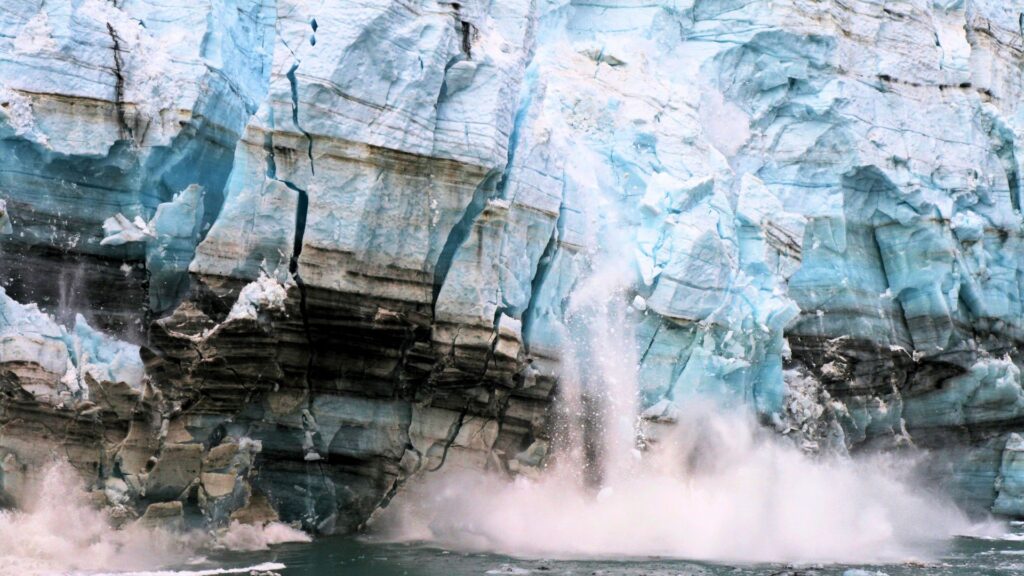
Once we’ve passed this limit, the effects of the climate crisis will continue to amplify unless the increase is limited. This means melting glaciers, ecosystem loss, and extreme weather.
In 2018, the alarm was already raised in the Intergovernmental Panel on Climate Change (IPCC)’s Special Report on the Global Warming of 1.5ºC (SR15).
This was a part of the IPCC’s Sixth Assessment Report (AR6), where it is mentioned that unprecedented events were already happening and would continue to happen—events that, without accelerated global warming, were virtually impossible. These events include intensified heatwaves, increased tropical cyclones, droughts, and flooding.
In the SR15, scientists performed a comprehensive assessment of the consequences of global temperature rise. The report referenced 6,000 different studies and included a summary for policymakers. The SR15 and AR6 were referenced and adapted for Limiting Overshoot.
UNEP Executive Director Inger Andersen stated that “climate impacts will strike faster, hit harder, and last longer,” disrupting and threatening the lives of many people globally. She urged governments and those in power to “act with urgency and determination” to limit the consequences of this predicted overshoot.
If this overshoot does happen, its reversal is only possible in theory. It would involve the strict maintenance of net-negative CO2 emissions over decades to centuries, combined with reductions in methaneGlobal EssentialsMethaneA potent, short-lived greenhouse gas with a global warming potential significantly higher than CO2 over a 20-year horizon.Read more in the Glossary → emissions.
The feasibility of this is uncertain, and any reversal would take at least a few decades.
Is there anything we can still do?
The best possible outcome is for the overshoot not to happen. According to UNEP, bringing temperatures down will be a challenge, but not impossible.
This will involve harsher and more rapid mitigationGlobal EssentialsAdaptation vs. MitigationAdaptation refers to solutions that are reactive to the effects of climate change. This includes strategies such as breeding drought-resilient crops, improving disaster preparedness, and building resilient infrastructure. Mitigation refers…Read more in the Glossary → and adaptation strategies such as Carbon Dioxide Removal (CDR): conventional, which is achieved through afforestation and ecosystem restoration, and novel, which involves the direct removal of CO2 from the atmosphere through carbon capture and storage.
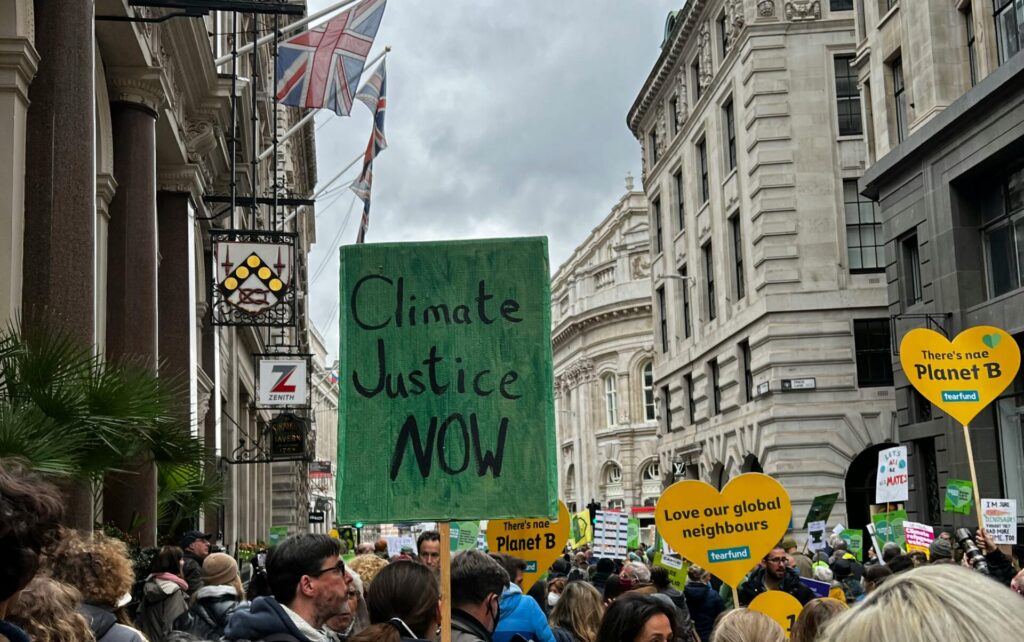
Additionally, the new UNEP report states that international cooperation is considered vital in this process.
All countries must continue to align in research, strategy, and policy so that countries with the least capacity and responsibility are not burdened.
What does this look like for the Philippines?
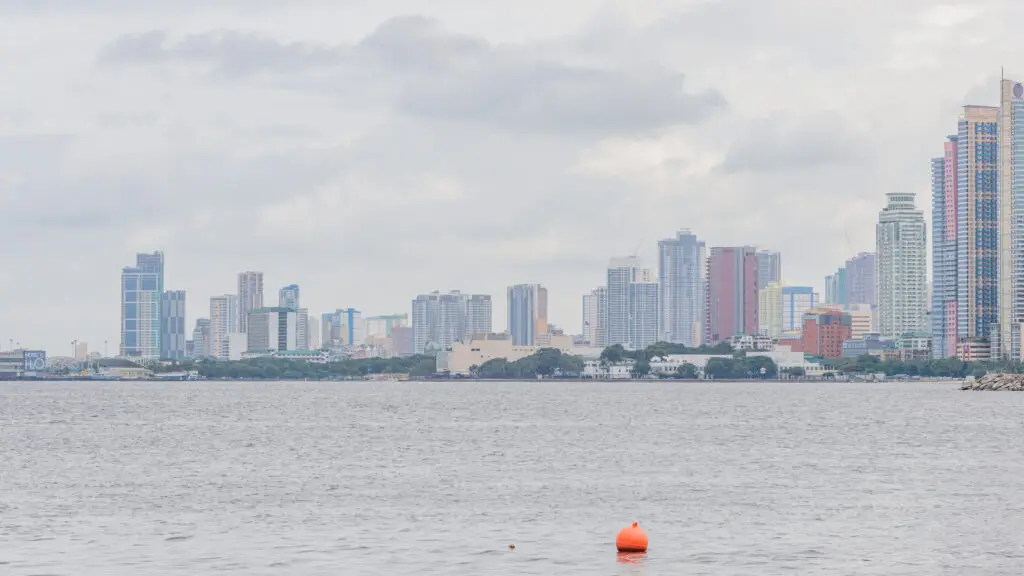
In the Philippines, extreme weather is already a reality.
In August 2026, one week of rainfall exceeded the average total rainfall for the month, according to the Philippine State Weather Bureau (PAGASA). On August 17, Metro Manila saw a recorded rainfall amount of 201.7mm—nearly half of the total amount recorded during Typhoon Ondoy, one of the worst typhoons to hit Metro Manila in 2009.
Despite the extreme rainfall, PAGASA warns the country of below normal rainfall come September 2026 due to a “very strong El Niño.” This is predicted to go on until the first half of 2027, and is expected to intensify towards yearend, affecting crop yield and water supply, energy and power demand, and typhoon patterns in the next months.
The Philippines is already experiencing the effects of a warming planet even before the 1.5ºC temperature limit has been breached. Further increase will likely result in even more dire effects to agriculture, ecosystems, and communities across the country.
As the Philippines’ national expenditure program for 2027 is in the works, along with the much-anticipated budget allocation for climate solutions, Filipinos eagerly await how the government plans to mitigate the effects of further global warming to people and nature—especially with the near-inevitable 1.5ºC rise affecting the world at large.