Apply for Mapa Sustina
Editor's Picks

Mapa Sustina

Circular Solutions Map

Discover Philippine businesses and projects designing out waste. Browse the map, search by keyword or location, and filter by sector to find circular-economy partners across the country.

What does it mean to have a “circular economy”?

For as long as humans have lived, we have learned how to reuse, repair, and recycle the things that we need. Today, as the world produces new materials at a scale never seen before, there are those attempting to reuse, repair, and recycle at the same scale.

The term “circular economy” was first used formally in the 1990s, posed by economists as an alternative to the current linear economy where businesses take resources, make products, and then leave behind waste. It asks two questions: What if businesses were responsible for the waste they left behind? And secondly, what if we could design waste out altogether?

Beyond just avoiding waste, a circular economy asks society to rebuild natural systems that we have lost, rather than continuing to extract from them — taking cues from pre-colonial, indigenous knowledge that only takes what is needed from the land.

How is this model showing up around the world?

Across the globe, countries are already shifting to circular models: The European Union wants to double its overall circularity rate from around 12% to 24% by 2030, with a new Circular Economy Act due in 2026 to turn the EU into a global leader. In Asia, Japan has had a national circularity framework in place for over two decades, while Taiwan is aiming to release a roadmap by the end of 2026.

In the Philippines, national circular economy laws are still pending legislation.

What is Mapa Sustina?

Mapa Sustina is a geo-referenced map of circular and nature-positive solutions across the Philippines. It is a visual reminder that despite the absence of a circular economy bill, circular businesses and projects are already here.

All of these businesses or projects either prevent waste before it happens (Refuse, Rethink, Reduce), keep a product useful for longer (Reuse, Repair, Refurbish, Remanufacture, Repurpose) or give new purpose to products that have reached the end of their lives (Recycle, Recover).

Does my project or organization belong on Mapa Sustina?

Yes, if it recycles or reuses waste, extends product life, or provides a nature-positive alternative to wasteful processes.

There is no fee for applying or for being listed, however all organizations must be screened by the Sustina Lab team. We can only consider those with a demonstrable record of measured impact. (This can be in the form of certifications, impact reports, and other documents.) If this applies to you and your work, apply here.

Loading...
No category

Categories

Region

Think your organization belongs on this map? 🌏

Help us grow the Philippines’ directory of circular solutions by applying below and going through Sustina Lab’s simple vetting process.

From the Sustina Lab

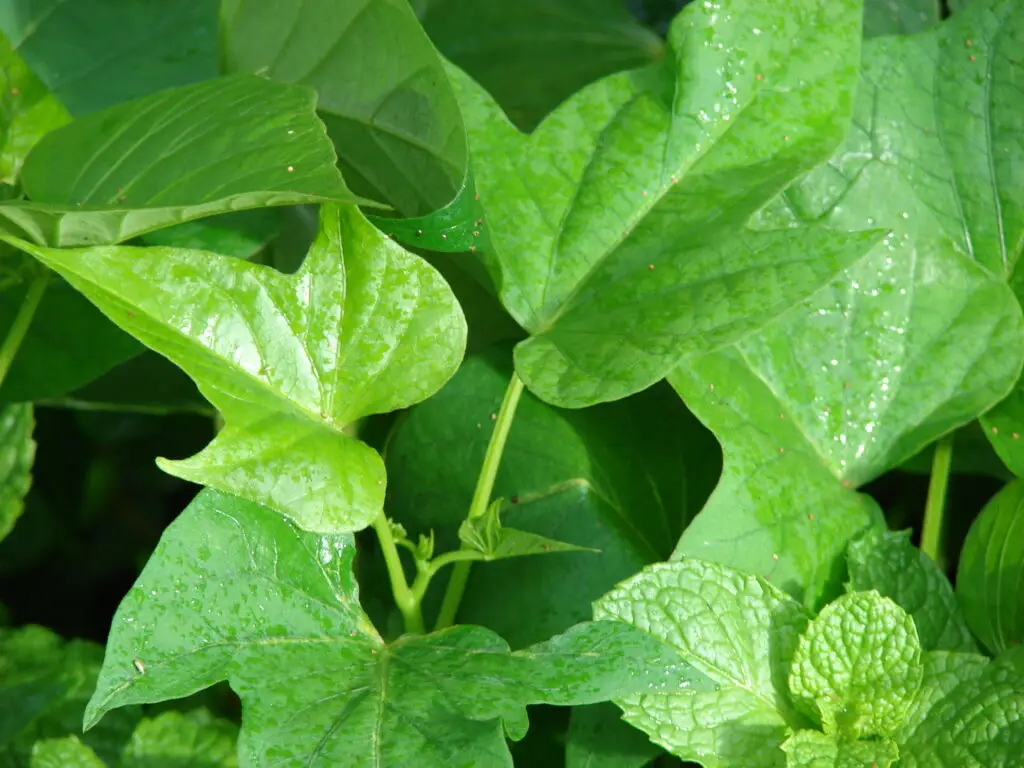
What studies actually say about the healing properties of camote leaves

Research from the past few years examines whether the ever-accessible camote might provide unique health benefits.

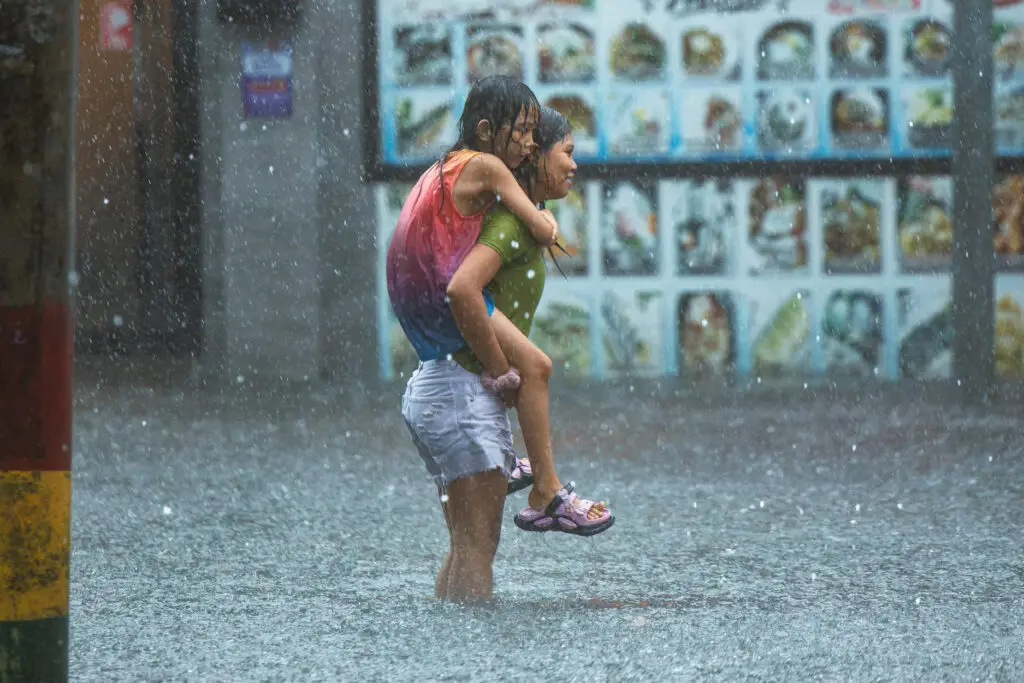
In photos: Habagat season is here—and Metro Manila is flooding yet again

The southwest monsoon, or habagat, dropped nearly half of Typhoon Ondoy's rainfall on Metro Manila in five hours.

Sustina joins Climate KIC’s Inclusive Climate Entrepreneurship Program 2026-2027

The grant is worth EUR 22,000 and will fund two cohorts for Climate Sustainability for Entrepreneurs.

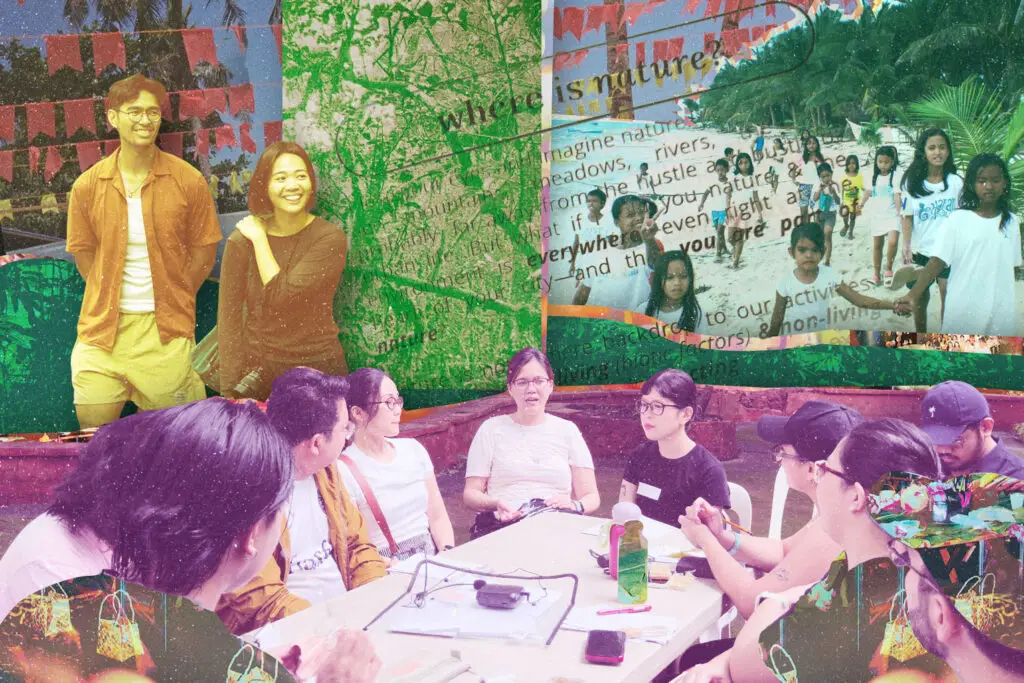
Join a sustainability workshop

Sustainability doesn’t have to be complicated—our sessions break it down into something you can actually use. Just ask our growing community of founders and fixers.

Fellowships are open to individuals from non-profits and grassroots organizations.

Count me in