Featured · Climate & Conservation

News and stories about the greatest challenge of our time, and the Filipinos fighting to conserve the natural world.
Explore Climate & Conservation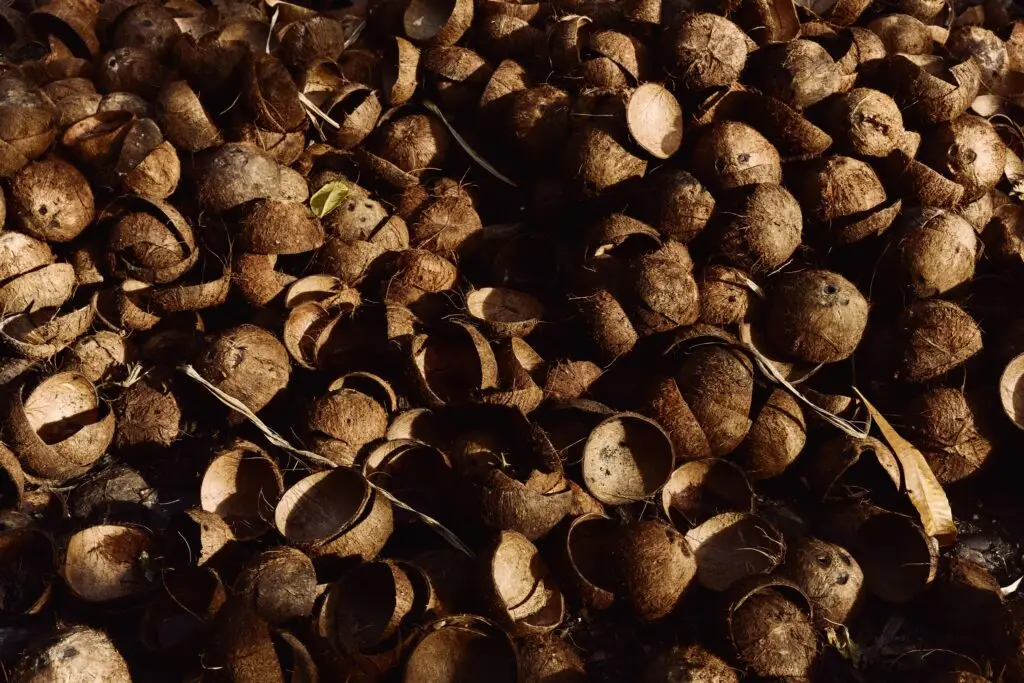
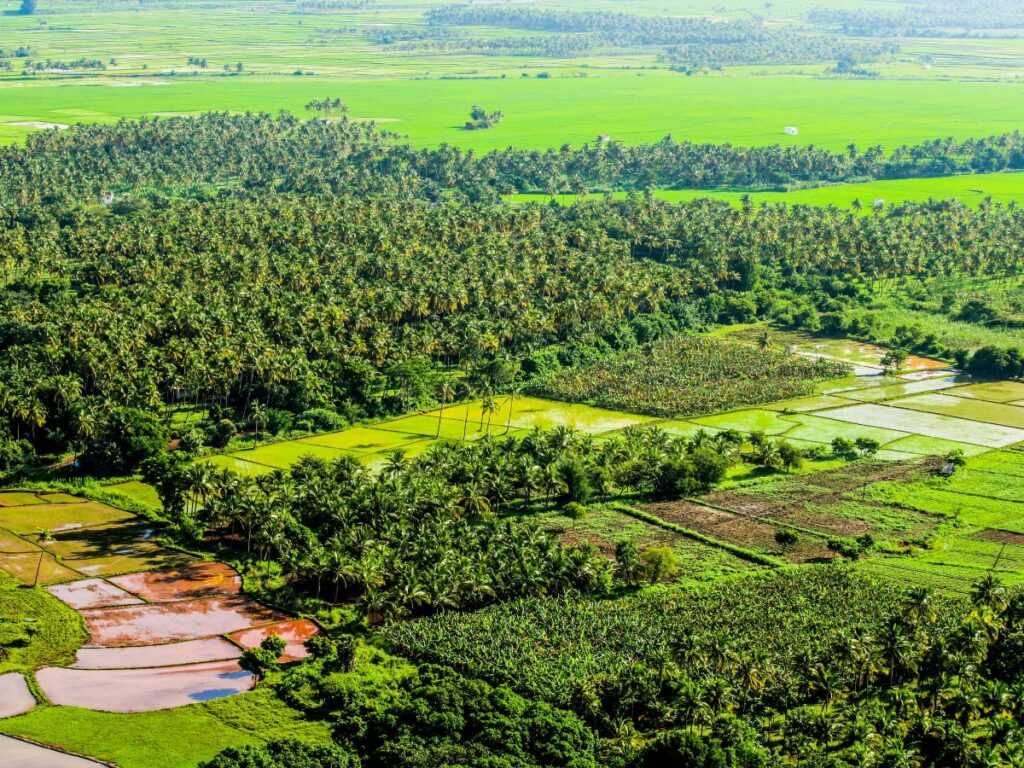

What businesses, government agencies, and financial institutions are investing in green initiatives, and whether it's working.
Explore Capital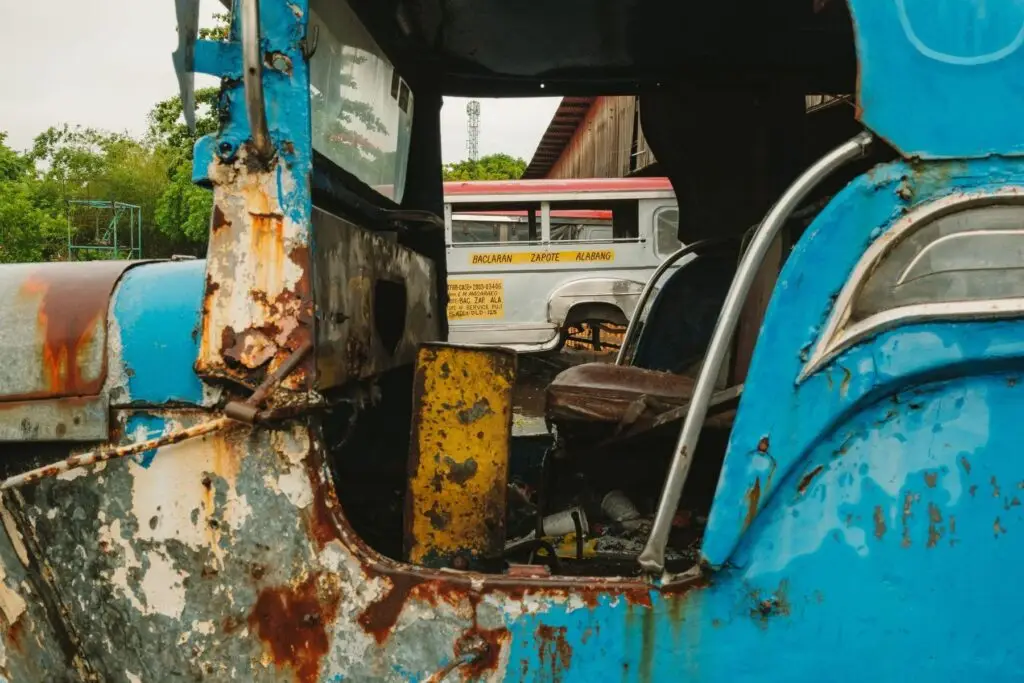
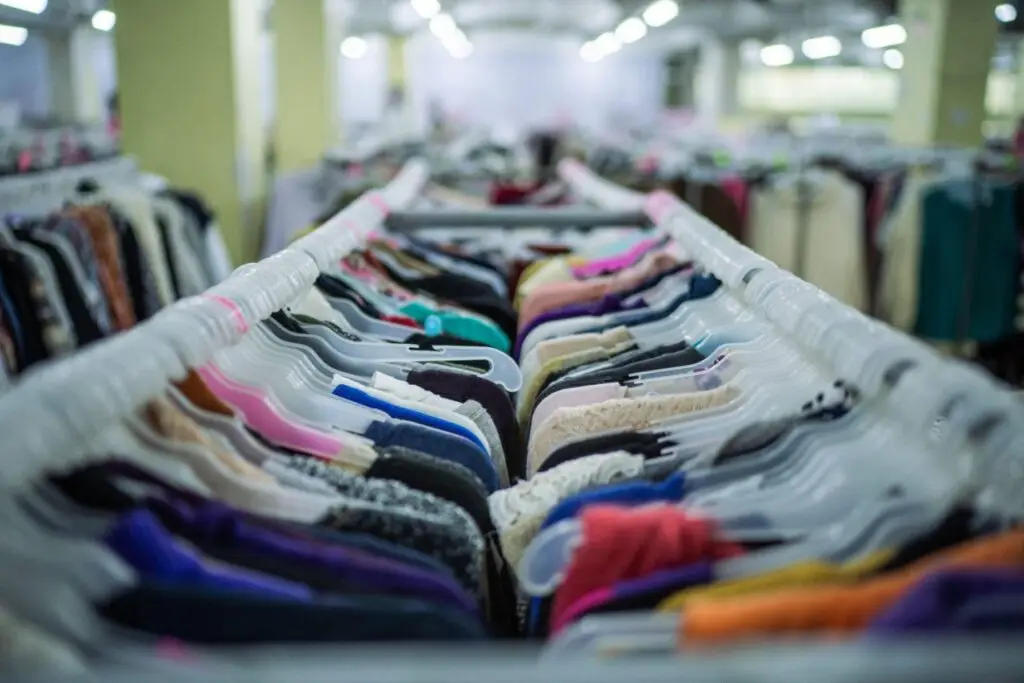
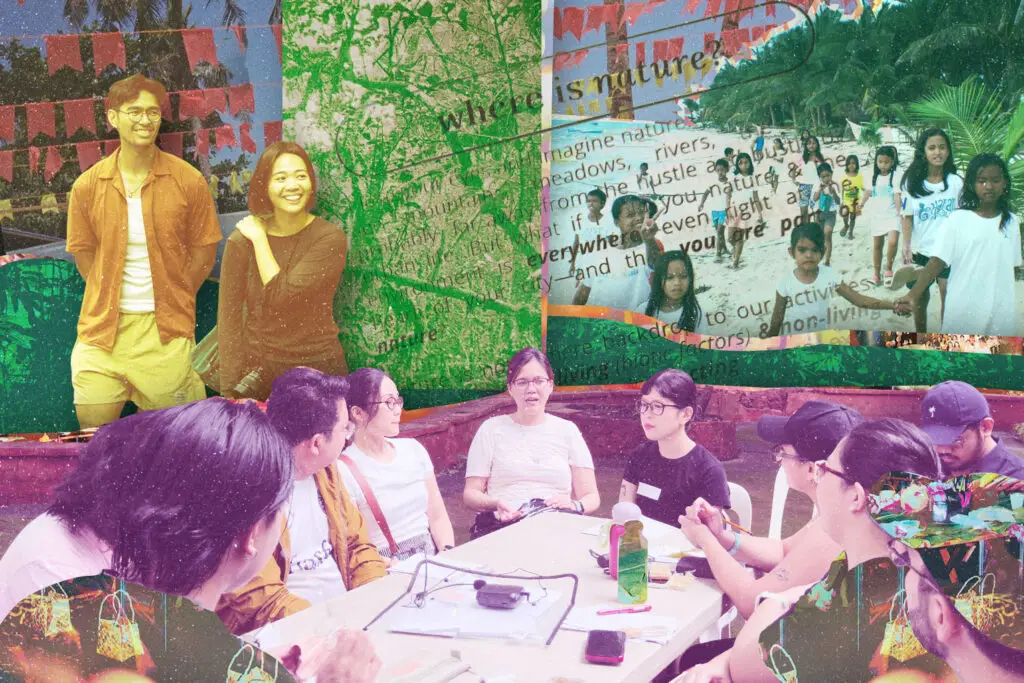
The unwritten rules and practices shaping how Filipinos show up for land and community.
Explore Culture


Scientific discoveries from the edges of research that reveal big truths about the world and its environment.
Explore ScienceThe language of Philippine sustainability, defined. From national laws to the sachet economy, from circular design to the words our communities already use — this is the shared vocabulary behind every Sustina story.
Adaptation refers to solutions that are reactive to the effects of climate change. This includes strategies such as breeding drought-resilient crops, improving disaster preparedness, and building resilient infrastructure.
Mitigation refers to solutions that reduce climate change, primarily through emissions reduction strategies. Examples include increasing carbon sinks, using renewable energy, and reducing fossil fuel use.
Read nextInsights: ‘Design Thinking Sustainability’ by Sustina Lab, in partnership with AIM-DBI · Insights: The Philippines’ updated climate commitment depends on funding that doesn't exist yet
Additionality is determined by whether a carbon credit project had effects, such as emissions reductions, that would not have occurred otherwise. If the effect occurred without the project, there is no additionality; therefore, it should not earn carbon credits.
Read nextDENR partners with aDryada to restore 120,000 hectares of forest in Samar for carbon credits · The Philippines' second NDC is ‘awaiting scheduling’ as ICJ climate ruling raises the stakes
Read nextThe Eternal Business of Ukay-Ukay
The Tagalog word for “garbage”, referring to discarded items and waste.
Read nextWhen Jeepneys Outlive Their Drivers · The Barangay That Lives with Plastic
The Tagalog word for “garbage bin” or “trash can”.
Waste collectors operating in formal and informal sectors who recover, sort, and resell recyclable materials. In circular economy frameworks, they constitute the existing, unpriced labor force executing reverse logistics and material recovery prior to the formalization of Extended Producer Responsibility (EPR) systems.
The variety of life at genetic, species, and ecosystem levels. The Philippines is one of only 17 megadiverse countries, holding an outsized share of the world's species on 0.2% of its land, and one of the most threatened. Biodiversity loss is a material financial risk (supply chain disruption, regulatory penalties) and a prerequisite for nature-positive investment frameworks like the Taskforce on Nature-related Financial Disclosures (TNFD).
Read nextWhat the Agriculturists Leave Behind · Why nature-based solutions deserve more than 0.12% of the national budget
A UN agreement establishing the first legal framework for creating marine protected areas and regulating resource extraction in international waters. BBNJ defines the regulatory boundaries for offshore biodiversity offsets, blue carbon projects, and deep-sea mining risk assessments beyond national Exclusive Economic Zones (EEZ).
Read nextFilipino youth coalition files for 'High Seas Marine Reservations for Future Generations' · Filipino environmentalists petition South China Sea to be protected under BBNJ Treaty
Carbon sequestered and stored by coastal and marine ecosystems, primarily mangroves, seagrass meadows, and tidal marshes. Blue carbon represents a high-value asset class for voluntary carbon markets and sovereign blue bonds, given its sequestration rates significantly exceed those of terrestrial forests.
Read nextInsights: The Philippines’ updated climate commitment depends on funding that doesn't exist yet · DENR pushes forward with blue carbon roadmap; mangrove experts weigh in
An informal, roving buy-back system where collectors purchase recyclables (bottles, paper, scrap) door-to-door, calling out "bote, diyaryo!" It functions as the Philippines' indigenous deposit-return scheme and reverse logistics network, providing a foundational model for modern circular supply chains and EPR compliance mechanisms.
A dried coconut husk that is repurposed as a cleaning tool. Its rough exterior makes it perfect, especially for polishing floors and other hard surfaces.
Trading systems where verified greenhouse gas emission reductions or removals are commodified, typically representing one metric tonne of CO2 equivalent. These markets enable corporate offsetting for net-zero claims and channel private capital into decarbonization and nature-based removal projects, subject to stringent verification and additionality standards.
In the Philippines, the framework for voluntary carbon trading is being built now but the credibility of the whole system depends on verification: making sure a "reduction" is real, additional, and permanent.
Read nextDENR partners with aDryada to restore 120,000 hectares of forest in Samar for carbon credits · The Philippines' second NDC is ‘awaiting scheduling’ as ICJ climate ruling raises the stakes
A small eatery that serves local or home-cooked Filipino meals. They are accessible and affordable, usually found along roadsides and operated as family businesses.
Read nextThe Barangay That Lives with Plastic
The engineering and design of products to eliminate waste by planning for repair, reuse, disassembly, and material recovery before production begins. It shifts capital expenditure away from linear extraction models toward closed-loop systems, mitigating resource scarcity risks and end-of-life compliance costs.
Read nextPlastic prevention at source and circular value chains highlighted in DENR plastic roadmap
An economic model designed to keep materials in continuous use through maintenance, reuse, remanufacturing, and recycling, decoupling economic activity from the consumption of finite resources. The circular economy framework prioritizes minimizing resource consumption, extending product lifespans through maintenance and reuse, and recovering materials as a final option to eliminate waste.
For corporate strategy, it requires restructuring value chains, shifting from product-sales to service-models, and redefining material flows as balance sheet assets.
Read nextSustina and Upgrade InnoLab bring climate entrepreneurship training series to Davao City · No Country for Old Phones
The primary Philippine policy-making body attached to the Office of the President, responsible for coordinating national climate programs and international negotiations. It dictates the regulatory trajectory for corporate climate disclosures, Nationally Determined Contributions (NDCs), and national adaptation funding allocations.
Read nextOpen Call: Oscar M. Lopez Center seeks entries for climate short film festival · Filipino citizens are taking action into their own hands against Shell UK
Climate change refers to long-term changes in global temperatures, weather patterns, and the environment resulting from anthropogenic activity such as burning fossil fuels and deforestation. These changes continue to happen at an alarming rate, which is why experts are referring to it more as a “climate crisis”– to reflect a sense of urgency and to demand action before its effects are irreversible.
Read nextThe Eternal Business of Ukay-Ukay · Why nature-based solutions deserve more than 0.12% of the national budget
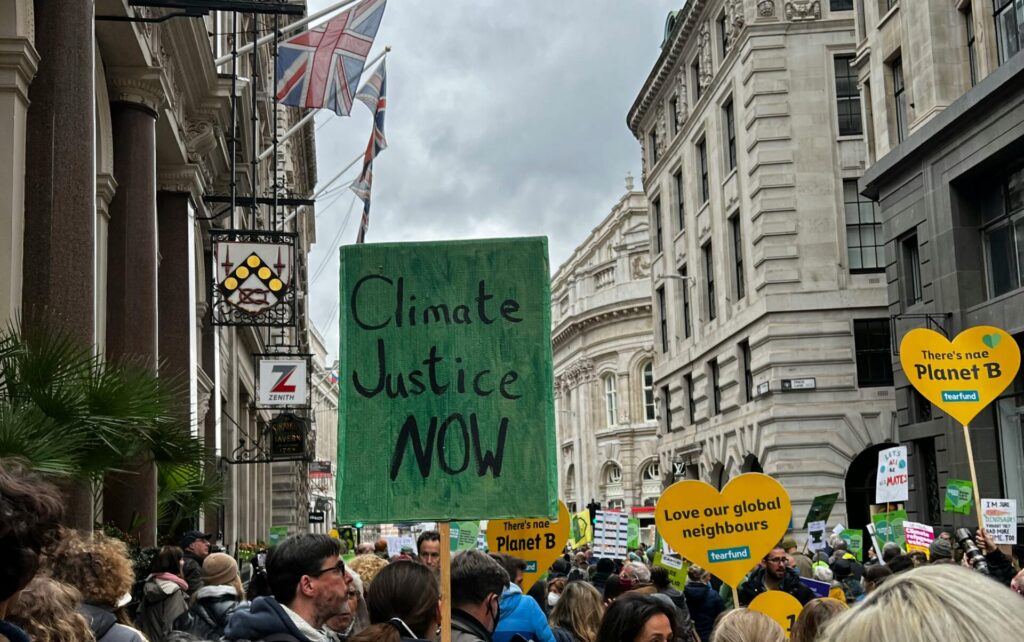
A framework approaching climate change as a systemic equity issue, asserting that populations contributing least to historical emissions bear the disproportionate burden of climate impacts. It drives corporate accountability, informs loss-and-damage financing mechanisms, and underpins human rights-based climate lawsuits against major emitters.
Read nextThe Philippines' second NDC is ‘awaiting scheduling’ as ICJ climate ruling raises the stakes · Join Sustina at Earth Week Happy Hours on April 25
The use of judicial systems to enforce climate accountability, often targeting the "Carbon Majors"—a specific group of state and investor-owned entities responsible for the majority of historical industrial greenhouse gas emissions. This represents a material legal and reputational risk vector for fossil fuel and heavy-emitting sectors, driving stranded asset valuations and mandatory transition planning.
Read nextThe Philippines' second NDC is ‘awaiting scheduling’ as ICJ climate ruling raises the stakes · An update from Carbon Majors, the database that informed the Philippines' climate petition
A type of anxiety, more common in the youth, specific to the climate crisis and the environment. Constant exposure to news, often negative headlines, about the climate crisis evokes emotional, mental, and physical distress in the youth, who fear for their future and the future of the planet.
Read nextWhy young Filipinos are turning to creativity to navigate climate anxiety · Inside the work of 26 world-recognized Filipino scientists
Regulatory bans on new fossil fuel infrastructure (e.g., greenfield coal plants) and the systematic retirement of existing assets. In energy transition finance, this dictates capital allocation shifts, triggering early retirement mechanisms, just transition financing, and the repricing of fossil-fuel-dependent utility portfolios.
Read nextInsights: The Philippines’ updated climate commitment depends on funding that doesn't exist yet · Filipino citizens are taking action into their own hands against Shell UK
A cochero is the Spanish word for a person who drives coaches or carriages. During American rule, cocheros were among the lowest paid workers but they held significant political power in the form of a voting block.
Read nextWhen Jeepneys Outlive Their Drivers
A tax imposed on coconut farmers by the Marcos Sr. administration between 1971 and 1982. The fund was originally intended to develop the coconut industry and alleviate farmers out of poverty; however, the objectives of this policy never materialized.
Read nextThe Women Waiting in Coconut Country
A policy designed by The Philippines’ Department of Agriculture to help 2.5 million coconut farmers adapt to modern farming strategies and technology. The plan includes training farmers, providing health and crop insurance, and improving research, policies, and regulations.
The UN Conference of the Parties and its foundational 2015 treaty, which mandates limiting global temperature rise to well below 2°C, pursuing 1.5°C, and requiring ratcheting national climate pledges. It establishes the macro-regulatory baseline for global carbon pricing, corporate net-zero target setting, and sovereign climate risk disclosures.
Read nextWhy nature-based solutions deserve more than 0.12% of the national budget · Insights: The Philippines’ updated climate commitment depends on funding that doesn't exist yet
Marine ecosystems that are highly sensitive to thermal stress, where elevated sea temperatures cause corals to expel symbiotic algae (bleaching). In risk modeling, reef degradation signals systemic ocean warming, directly threatening coastal protection infrastructure, fisheries economics, and the viability of marine-based ecotourism and blue economy investments.
Read nextFacing barriers in conservation, women are finding peer support networks to help them lead · Philippines’ largest marine protected area faces ecological degradation following ethanol wastewater spill
The systematic reduction and ultimate elimination of anthropogenic greenhouse gas emissions from an economy or corporate value chain. It requires capital reallocation toward electrification, energy efficiency, and alternative feedstocks, moving beyond pledges to engineered, science-based transition pathways.
Read nextInsights: The Philippines’ updated climate commitment depends on funding that doesn't exist yet · The Philippines' second NDC is ‘awaiting scheduling’ as ICJ climate ruling raises the stakes
Decorticating is the process of removing an outer covering, usually in agricultural or manufacturing contexts. One example is removing the husk from a coconut to separate the “meat” and fiber from its outer shell.
Read nextThe Women Waiting in Coconut Country
The DENR bureau enforcing environmental compliance, monitoring air and water quality, and managing hazardous waste. It executes the Environmental Impact Assessment (EIA) process, making its enforcement actions a direct operational and legal risk factor for infrastructure and industrial projects.
Read nextURC-owned ethanol plant spills wastewater into a marine protected area · Monterrazas flood study 'not an Environmental Impact Assessment,' UP researcher says
The Philippine agency governing the national power mix, energy security, and fuel exploration. It directs the energy transition through renewable energy auctions, grid modernization policies, and the regulation of fossil fuel phase-outs, directly shaping the investment landscape for power generation and storage infrastructure.
Read nextIn Ilocos Norte, fisherfolk raise concerns about becoming a 'renewable energy capital' · Is the race for renewable energy outpacing the communities in its path?
The Philippine executive department managing forests, protected areas, mining permits, and pollution control. It is the primary regulatory counterparty for environmental compliance, natural capital valuation, and the issuance of permits governing resource extraction and land-use changes.
Read nextPlastic prevention at source and circular value chains highlighted in DENR plastic roadmap · Why nature-based solutions deserve more than 0.12% of the national budget
A human-centered problem-solving methodology emphasizing empathy, ideation, prototyping, and iterative testing. Design thinking is a structured way for teams to come up with better ideas by starting with what people actually need. In sustainability practice, it is deployed to bridge the gap between high-level ESG targets and user adoption, ensuring circular products, climate adaptation tools, and behavioral interventions are viable, desirable, and contextually appropriate.
Read nextInsights: ‘Design Thinking Sustainability’ by Sustina Lab, in partnership with AIM-DBI · Design meets diskarte: Inside Tropikalye's archives
The primary law governing solid waste management in the Philippines. It is a state policy that creates institutional mechanisms and incentives for proper waste management to protect people and the environment through resource management, and waste minimization strategies such as recycling, reuse, and recovery.
Read nextExplainer: How will the Binaliw landfill collapse affect policies on solid waste and incineration?
The foundational Philippine law mandating waste segregation at source, the establishment of barangay MRFs, and the closure of open dumpsites. Its persistent enforcement gaps define the operational reality of the national waste sector, creating both regulatory risks for non-compliant LGUs and market opportunities for decentralized waste-tech solutions.
Read nextExplainer: How will the Binaliw landfill collapse affect policies on solid waste and incineration? · Plastic prevention at source and circular value chains highlighted in DENR plastic roadmap
Cyclical warming and cooling of the central and eastern Pacific Ocean that drastically alters global weather patterns. In the Philippines, these phases dictate the probability of severe droughts or intense precipitation, serving as primary variables in agricultural yield forecasting, water utility stress-testing, and climate risk insurance pricing.
Read nextExplainer: The UN says it’s ‘unavoidable’ for the planet to exceed its 1.5-degree warming limit—now what? · In photos: Habagat season is here—and Metro Manila is flooding yet again
Discarded electronic devices containing complex matrices of precious metals and hazardous toxins. In circular economy strategy, it represents a critical urban mining opportunity and a severe environmental liability, requiring specialized reverse logistics and strict adherence to international waste trade protocols like the Basel Convention.
Read nextNo Country for Old Phones · Environmental groups sound alarm on illegal e-waste shipments from the US
Flora and fauna restricted to a specific geographic region. For environmental impact assessments and biodiversity offsets, the presence of endemic species elevates the ecological sensitivity of a site, often triggering strict regulatory prohibitions on land conversion and requiring highly localized conservation interventions.
Read nextDENR partners with aDryada to restore 120,000 hectares of forest in Samar for carbon credits · Study: Up to 23% Philippine vertebrates at risk of extinction
The structural shift of the global energy system from fossil-based to zero-carbon sources. It encompasses the simultaneous scaling of renewable generation, grid modernization, energy storage, and demand-side management, representing the largest capital reallocation in modern economic history.
Read nextInsights: The Philippines’ updated climate commitment depends on funding that doesn't exist yet · Inside Villgro's Fair Futures Showcase: The impact of 11 local climate ventures
A mandatory legal document issued by the DENR-EMB certifying that a proposed project has undergone an Environmental Impact Assessment and committed to an Environmental Management Plan. It is a critical gating item for project financing, land acquisition, and operational licensing in the Philippines.
Read nextIs the race for renewable energy outpacing the communities in its path? · Monterrazas flood study 'not an Environmental Impact Assessment,' UP researcher says
Individuals and communities protecting land, water, and ecosystems from extractive or destructive activities. In environmental, social, and governance (ESG) risk management, violence or criminalization against defenders signals severe social license to operate failures, triggering divestment campaigns, supply chain boycotts, and international human rights scrutiny.
Read nextThe most dangerous place in Asia for environmental defenders, and why we refuse to stop · Why young Filipinos are turning to creativity to navigate climate anxiety
ESG refers to standards set for companies that hinge on three main pillars: Environmental, Social, and Governance. This allows investors and stakeholders to examine companies beyond a financial standpoint– by looking at how they manage resources and emissions, engage in sustainable business practices, and make ethical decisions.
Read nextSustina supports Gobi Partners' Sustainability Report 2025 launch, as data analysis partner and advisor · Bangko Sentral ng Pilipinas pushes stricter sustainability disclosures for banks in 2027
Philippine legislation mandating large enterprises to physically or financially recover a progressively increasing percentage of their post-consumer plastic packaging. It internalizes the end-of-life cost of packaging into corporate profit and loss statements, forcing fast-moving consumer goods and retail sectors to redesign packaging and finance national waste recovery infrastructure.
Read nextWhen Jeepneys Outlive Their Drivers · This captain knows where his trash goes. Do you?
The consistent physical and economic access to sufficient, safe, and nutritious food. Climate change and ecological degradation act as threat multipliers to food security through crop failure, fisheries collapse, and supply chain disruption, making it a core metric in sovereign risk assessments and agricultural adaptation finance.
Read nextInside the work of 26 world-recognized Filipino scientists · Filipino environmentalists petition South China Sea to be protected under BBNJ Treaty
The sun emits shortwave radiation that enters the atmosphere. The Earth’s surface re-emits this as longwave radiation that cannot pass through the atmosphere. This effect is likened to a “greenhouse” because the sun’s heat gets trapped between the atmosphere and the Earth’s surface, creating a warming effect.
Read nextAboitiz Foundation, DENR launch 71,000-hectare reforestation project in Cebu · DENR partners with aDryada to restore 120,000 hectares of forest in Samar for carbon credits
Atmospheric gases (primarily CO2, methane, nitrous oxide) that absorb and emit radiant energy, driving the greenhouse effect. In corporate accounting and climate finance, the precise quantification of GHG emissions forms the absolute baseline for setting science-based reduction targets and pricing carbon liabilities.
Read nextAboitiz Foundation, DENR launch 71,000-hectare reforestation project in Cebu · DENR partners with aDryada to restore 120,000 hectares of forest in Samar for carbon credits
Growing pressure on companies to become environmentally friendly may lead them to adopt solutions that do not actually benefit the environment, even if they appear to. A common example is labeling products as “green” or “eco-friendly” without scientific backing, or claiming emissions reductions without plans or initiatives in place.
Read nextNotes from the Philippine Decarbonization Forum: 'Credible climate action requires credible data' · Read the full discussion: DENR, SEC, business leaders weigh in on carbon market readiness
The deceptive marketing of an organization's products, activities, or policies as environmentally responsible without substantive operational changes or data verification. It represents a material regulatory and reputational risk, driving the global enforcement of strict anti-greenwashing directives and mandatory third-party assurance for environmental, social, and governance (ESG) disclosures.
Read nextNotes from the Philippine Decarbonization Forum: 'Credible climate action requires credible data' · Read the full discussion: DENR, SEC, business leaders weigh in on carbon market readiness
The local Filipino term for the ‘Southwest Monsoon’, which is a seasonal wind pattern that brings warm, humid air and heavy rains to the Western part of the Philippines. It is typically observed from May to September.
Read nextThe Barangay That Lives with Plastic · Explainer: The UN says it’s ‘unavoidable’ for the planet to exceed its 1.5-degree warming limit—now what?
The heat index refers to how the temperature feels, not what it actually is. This distinction results from the combination of heat and humidity used to calculate the heat index. Higher humidity slows evaporation, making it difficult for the human body to cool down, which is why it may feel hotter than it actually is. This results in a higher heat index compared to the temperature.
A ruling by the International Court of Justice (ICJ) clarifying state obligations under international law to prevent climate harm. While advisory, it establishes a jurisprudential baseline that elevates the legal exposure of sovereign states and, by extension, the corporations operating within their jurisdictions, accelerating the shift from voluntary to mandatory climate compliance.
Read nextThe Philippines' second NDC is ‘awaiting scheduling’ as ICJ climate ruling raises the stakes · Learn from environmental lawyers: The state of climate litigation in the PH
Communities with continuous historical occupation of territories, recognized under the Indigenous Peoples' Rights Act (IPRA). In project development and ESG, securing Free, Prior, and Informed Consent (FPIC) from these communities is a non-negotiable legal and ethical prerequisite, directly impacting project timelines, land valuation, and social risk profiles.
Read nextExplainer: Why is the Philippines offering the US-led Pax Silica 4,000 acres of land? · In Ilocos Norte, fisherfolk raise concerns about becoming a 'renewable energy capital'
A passenger vehicle patterned after U.S. military jeeps from World War II. Jeepneys are a popular and affordable mode of transportation in the Philippines, recognizable by their bright colors and hand-painted art.
Read nextWhen Jeepneys Outlive Their Drivers · Move As One Coalition wins $250,000 grant for fight against Metro Manila traffic
A framework ensuring the shift to a low-carbon economy does not disproportionately burden workers and communities dependent on legacy fossil-fuel industries. In climate finance, it necessitates dedicated funding mechanisms for workforce retraining, economic diversification, and social safety nets to maintain political and social stability during decarbonization.
Read nextPlastic prevention at source and circular value chains highlighted in DENR plastic roadmap · Insights: The Philippines’ updated climate commitment depends on funding that doesn't exist yet
Also known as a carabao or water buffalo. They are especially important to the country’s agricultural sector, helping farmers transport heavy materials across rice fields.
Read nextWhen Jeepneys Outlive Their Drivers
The Filipino term for goods and merchandise traded or sold as a commodity.
Read nextThe Barangay That Lives with Plastic
A horse-drawn carriage introduced to the Philippines under Spanish colonial rule.
Read nextWhen Jeepneys Outlive Their Drivers
A person who carries heavy goods; a porter, baggage handler, or freight loader. From the Spanish word cargador.
Read nextWhen Jeepneys Outlive Their Drivers
Topography formed from the dissolution of soluble rocks like limestone, characterized by sinkholes, caves, and complex subterranean aquifers. Due to its high vulnerability to contamination and structural instability, karst terrain requires stringent environmental safeguards, heavily restricting heavy infrastructure, mining, and large-scale wind or solar development.
Read nextSustina gathers 5 environmental organizations for Earth Month Mixer · After Antipolo mayor joins petition, VENA Group claims it is 'not building wind turbines in karst areas'
Kuya is a Filipino honorific meaning “older brother.” It is also used to address older men outside of family, such as service workers, neighbors, strangers, and friends, out of respect.
Read nextNo Country for Old Phones
The economic and non-economic harms caused by climate change that exceed the limits of adaptation (e.g., permanent land loss, cultural destruction). In global climate finance, it represents a distinct funding pillar requiring capital transfers from historical emitters to vulnerable nations, formalized through mechanisms like the 27th United Nations Climate Change Conference (COP27) Loss and Damage Fund.
Read nextInsights: The Philippines’ updated climate commitment depends on funding that doesn't exist yet · Filipino citizens are taking action into their own hands against Shell UK
Coastal wetland ecosystems capable of sequestering massive amounts of blue carbon while buffering coastlines against storm surges. They are critical natural infrastructure, offering high-return investment opportunities for nature-based coastal adaptation and premium voluntary carbon credit generation.
Read nextWhy nature-based solutions deserve more than 0.12% of the national budget · Inside the work of 26 world-recognized Filipino scientists
Geographically defined marine zones where human activity is strictly regulated to conserve natural and cultural resources. In blue economy planning, well-enforced MPAs act as biological insurance, replenishing adjacent fisheries and maintaining the ecological baseline required for sustainable coastal tourism and carbon sequestration.
Read nextPhilippines’ largest marine protected area faces ecological degradation following ethanol wastewater spill · Filipino youth coalition files for 'High Seas Marine Reservations for Future Generations'
A centralized sorting center designed to separate municipal solid waste into recyclable, compostable, and residual fractions. It is the physical bottleneck of the circular economy; without adequately capitalized and operated MRFs, upstream segregation mandates and downstream recycling markets fail to connect.
In the Philippines, MRFs are required by law: the Ecological Solid Waste Management Act of 2000 (RA 9003) mandates that every barangay or cluster of barangays establish one.
Read nextWhy we can’t 'read our way' out of climate change · The Barangay That Lives with Plastic
Also spelled as 'meryenda'. It is a snack often taken between breakfast and lunch, or between lunch and dinner. Although the concept was introduced during the Spanish colonial period, it has evolved into a unique Filipino tradition shaped by local cuisine, tradition, and culture.
Read nextWhat the Agriculturists Leave Behind · The Barangay That Lives with Plastic
A potent, short-lived greenhouse gas with a global warming potential significantly higher than CO2 over a 20-year horizon. In decarbonization strategy, targeting methane leaks from fossil fuel infrastructure, agriculture, and landfills provides the most immediate lever for slowing near-term global temperature rise.
Read nextExplainer: The UN says it’s ‘unavoidable’ for the planet to exceed its 1.5-degree warming limit—now what? · Aboitiz Foundation, DENR launch 71,000-hectare reforestation project in Cebu
A country's self-defined climate action plan under the Paris Agreement, detailing emission reduction targets and adaptation strategies. For multinational corporations and investors, a host country's NDC dictates the macro-regulatory environment, carbon pricing trajectories, and sector-specific phase-out mandates.
The Philippines committed to a 75% emissions reduction by 2030 (72.29% of it conditional on international support) and its second NDC is now overdue.
Read nextWhy nature-based solutions deserve more than 0.12% of the national budget · Insights: The Philippines’ updated climate commitment depends on funding that doesn't exist yet
Actions to protect, sustainably manage, and restore natural or modified ecosystems to address societal challenges (e.g., using wetlands for flood control). In infrastructure planning and climate finance, NbS offer cost-effective, multi-benefit alternatives to gray infrastructure, provided they are designed with long-term ecological maintenance in mind.
Read nextWhy nature-based solutions deserve more than 0.12% of the national budget · Insights: The Philippines’ updated climate commitment depends on funding that doesn't exist yet
The state where anthropogenic greenhouse gas emissions are reduced to the absolute minimum, with any residual emissions permanently removed from the atmosphere. It requires a fundamental redesign of business models and value chains, strictly distinguishing between operational decarbonization and the use of high-integrity carbon removals.
Read nextIn Ilocos Norte, fisherfolk raise concerns about becoming a 'renewable energy capital' · ASEAN needs to harmonize its carbon frameworks. Where do we begin?
The accumulation of synthetic plastic products in the environment, adversely impacting wildlife, habitats, and human populations. In the Philippines, it is heavily driven by the sachet economy; addressing it requires systemic shifts in packaging design, delivery models, and waste infrastructure rather than isolated consumer education campaigns.
Read nextPlastic prevention at source and circular value chains highlighted in DENR plastic roadmap · The Ocean Cleanup cites logistics behind Philippines' delayed launch—but a familiar funding problem lurks
The National Integrated Protected Areas System (NIPAS) is the Philippines' legal framework for managing its most ecologically important public lands and waters, from national parks to marine reserves and protected seascapes. It was expanded in 2018 by the E-NIPAS Act (Republic Act No. 11038), which added new categories and stronger safeguards to the original system.
Read nextIs the race for renewable energy outpacing the communities in its path? · Her sister was a force of nature. Berta Lopez is the tide.
A specific category designated for coastal and marine areas of high ecological significance, balancing conservation with sustainable use, used in the National Integrated Protected Areas System (NIPAS). It regulates maritime activities, fishing rights, and coastal development, directly impacting the valuation and operational parameters of marine-based investments.
Read nextPhilippines’ largest marine protected area faces ecological degradation following ethanol wastewater spill · Nickel mining operations near UNESCO site sparks outrage
The active replanting and ecological restoration of degraded forest lands. In carbon project development, its financial viability depends on long-term survival rates, native species selection, and the prevention of leakage, moving beyond superficial tree-planting metrics to verifiable ecosystem restoration.
Read nextWhy nature-based solutions deserve more than 0.12% of the national budget · Aboitiz Foundation, DENR launch 71,000-hectare reforestation project in Cebu
A systems-thinking approach that goes beyond minimizing harm to actively restoring and renewing natural and social capital. In corporate strategy, it shifts the objective from sustainable resource efficiency to creating net-positive impacts on watersheds, soil health, and community resilience across the entire value chain.
Energy derived from naturally replenishing sources (solar, wind, geothermal, hydro). In the Philippine context, scaling renewables requires overcoming grid integration constraints, land-use conflicts, and permitting bottlenecks to displace baseload coal and achieve national energy security and decarbonization targets.
Read nextThe Philippines' second NDC is ‘awaiting scheduling’ as ICJ climate ruling raises the stakes · The most dangerous place in Asia for environmental defenders, and why we refuse to stop
Enacted in 2008 to accelerate the exploration and development of renewable energy in the Philippines to reduce reliance on fossil fuels. These renewable energy sources include, but are not limited to, geothermal, solar, wind, and hydropower. It is the precedent for the National Renewable Energy Program (NREP), which set a target of 35% renewable energy by 2030 and 50% by 2040.
Read nextThe Philippines' second NDC is ‘awaiting scheduling’ as ICJ climate ruling raises the stakes · The most dangerous place in Asia for environmental defenders, and why we refuse to stop
A Tagalog term for “scrap fabric,” specifically discarded cloth pieces from sewing or garment production.
Read nextThe Eternal Business of Ukay-Ukay
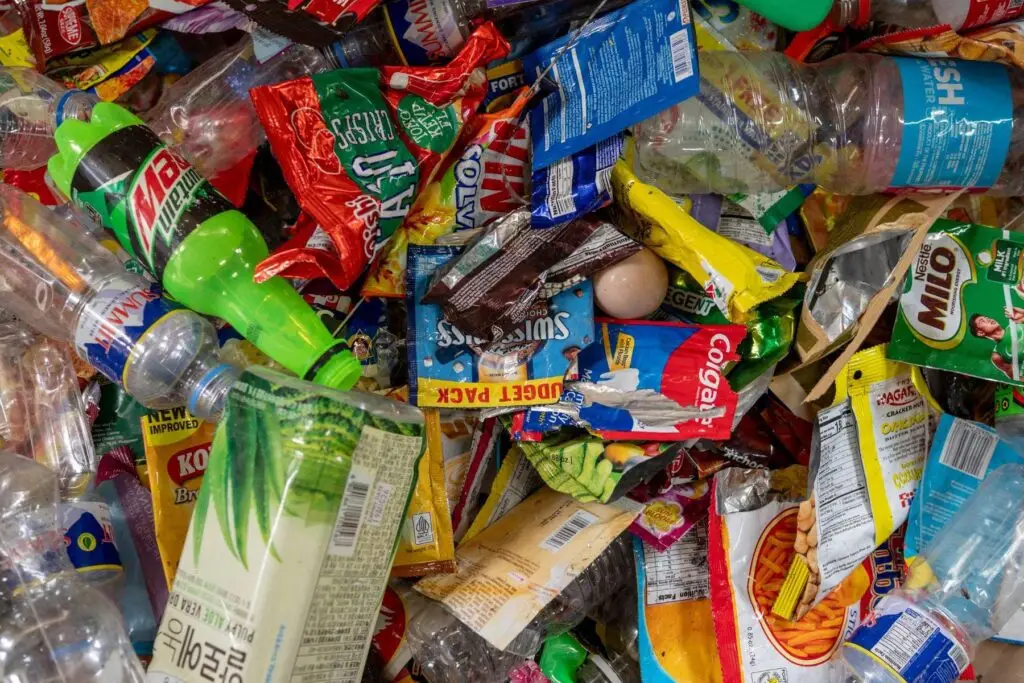
Small sealed plastic bags containing things like shampoo, seasoning, and snacks. They are part of the Philippines’ “tingi-tingi” culture, which is the purchase of things in small amounts rather than in bulk. While durable, sachets are often non-biodegradable and contribute largely to the country’s plastic pollution.
Read nextPlastic prevention at source and circular value chains highlighted in DENR plastic roadmap · The Barangay That Lives with Plastic
A sachet is a small, sealed packet or pouch—usually made of plastic—that holds a single-use portion of a product like shampoo, coffee, seasoning, or detergent. The sachet economy is a retail distribution model relying on these kinds of single-use, multi-layered plastic packaging to sell fast-moving consumer goods in micro-quantities. It is the primary driver of unrecyclable plastic leakage in emerging markets, presenting a complex systemic challenge that requires redesigning product formats and leveraging informal retail networks for circular alternatives.
Read nextPlastic prevention at source and circular value chains highlighted in DENR plastic roadmap · The Barangay That Lives with Plastic
Engineered waste disposal facilities designed with liners and leachate management (sanitary) versus unregulated, uncontained waste piles (open dumps). The mandated transition from open dumps to sanitary landfills under RA 9003 represents a massive municipal infrastructure deficit, driving capital requirements for modern waste management systems.
Read nextThe Eternal Business of Ukay-Ukay · Explainer: How will the Binaliw landfill collapse affect policies on solid waste and incineration?
A small neighborhood store that sells an assortment of goods, including snacks, drinks, cigarettes, and toiletries.
Read nextThe Barangay That Lives with Plastic
The extensive network of micro-retail neighborhood stores in the Philippines. "Sari-sari" is Tagalog for "variety" or "assorted." A sari-sari store is the small neighborhood variety store found throughout the Philippines, selling everyday goods, often in small, affordable portions (called tingi) rather than full-sized packages.
As the primary distribution node for the sachet economy, these stores are critical leverage points for implementing circular refill systems, reverse logistics, and localized behavioral interventions at the base of the economic pyramid.
Read nextThe Barangay That Lives with Plastic
The standardized categorization of corporate greenhouse gas emissions: direct operations (Scope 1), purchased energy (Scope 2), and indirect value chain emissions (Scope 3). Scope 3 typically represents the vast majority of a corporation's carbon footprint, requiring deep supply chain engagement and product lifecycle redesign to achieve credible net-zero targets.
The long-term increase in global mean sea level driven by thermal expansion and melting ice sheets. For coastal real estate, infrastructure planning, and sovereign risk modeling, it dictates the necessity for managed retreat, elevated engineering standards, and the revaluation of coastal asset portfolios.
Read nextWhat the waters left behind: Inside Gab Mejia's newest exhibit
Submerged marine flowering plants that provide critical nursery habitats and sequester blue carbon. Often overlooked in favor of mangroves and corals, their preservation is essential for comprehensive coastal ecosystem management and the maximization of blue carbon credit portfolios.
Read nextDENR pushes forward with blue carbon roadmap; mangrove experts weigh in · Her sister was a force of nature. Berta Lopez is the tide.
A regulatory classification by the Philippine Securities and Exchange Commission (SEC) identifying publicly listed companies with verified, substantial revenues from green economic activities. It serves as a primary anti-greenwashing mechanism, directing institutional capital toward verified transition assets and establishing a baseline for sustainable finance taxonomy.
Read nextBangko Sentral ng Pilipinas pushes stricter sustainability disclosures for banks in 2027 · SEC's 'Green Equity' label: What we know so far
A revenue-generating business whose primary objective is to solve social or environmental challenges, reinvesting profits into its mission. In impact investing, they bridge the gap between philanthropy and commercial scale, requiring specialized blended finance structures and impact-measurement frameworks to achieve systemic change.
Read nextThe Women Waiting in Coconut Country · The Eternal Business of Ukay-Ukay
A species’ range is the area where it can be found throughout its lifetime, including where it may reproduce, migrate, and hibernate. These areas are not necessarily close or adjacent; they may be separated by geographical features such as mountain ranges or oceans, or fragmented due to habitat destruction. A species’ range is determined by factors such as evolution and adaptability to certain climate or habitat conditions.
Sustainability is the ability to manage and use resources to meet present needs without compromising future generations. It can be examined through environmental, economic, or societal lenses. These are the “three pillars” of sustainability that, when integrated, can foster a better future for all.
Read nextSustina and Upgrade InnoLab bring climate entrepreneurship training series to Davao City · Insights: ‘Design Thinking Sustainability’ by Sustina Lab, in partnership with AIM-DBI
In 2015, the United Nations adopted 17 goals to make the world more sustainable amid the climate crisis. These goals are interlinked, showing that sustainability isn’t just an environmental issue but also involves social and economic changes. Some goals include no poverty, quality education, climate action, and reduced inequalities.
Read nextAfter Antipolo mayor joins petition, VENA Group claims it is 'not building wind turbines in karst areas' · SEC's 'Green Equity' label: What we know so far
Enacted in 1999, the Philippine statutory prohibition against the burning of municipal, biomedical, and hazardous waste. In waste management strategy, it forces capital expenditure toward upstream waste reduction, segregation, and material recovery rather than end-of-pipe thermal destruction, fundamentally shaping the municipal solid waste investment landscape.
Every waste-to-energy proposal since has been an attempt to redefine, exempt, or repeal it.
Read nextLearn from GAIA: How to build a zero-waste island · From Binaliw to Navotas: The invisible cost of ignoring waste workers
An open-air market or bazaar, usually without a permanent location. It is derived from the Mexican Spanish word tianguis.
Read nextNo Country for Old Phones
From the Tagalog word “tingi,” which literally means retail. Tingi-tingi is the practice of selling and buying goods in amounts less than the smallest retail packaging.
Read nextThe Barangay That Lives with Plastic
The geographic zone in the western Pacific highly susceptible to tropical cyclones, where the Philippines is located. This immutable geographic reality mandates that all infrastructure, agricultural, and urban planning integrate severe climate adaptation and disaster risk reduction as core financial and engineering parameters.
A practice in the Philippines where secondhand items are resold at more affordable prices. The term “ukay-ukay” is short for “halukay” which means to rummage in search of something.
Read nextThe Eternal Business of Ukay-Ukay
The process of transforming waste materials or unwanted products into new materials of higher quality or environmental value. In circular design, it contrasts with downcycling by preserving or enhancing the embedded energy and material complexity of the original input, often creating premium consumer goods from industrial or post-consumer waste.
Read nextThe Barangay That Lives with Plastic · The Eternal Business of Ukay-Ukay
Urban mining is the process of extracting valuable materials, such as common metals, plastics, and rare elements, from electronic waste—much of which would otherwise go to a landfill or incineration.
It forms a key part of the circular economy, which promotes a more sustainable use of resources by keeping them in use for as long as possible.
Read nextNo Country for Old Phones
A decentralized market where private actors buy and sell carbon credits outside of mandatory compliance regimes. Its integrity relies on rigorous standards for additionality, permanence, and leakage prevention, serving as a critical interim financing mechanism for nature-based solutions and early-stage decarbonization technologies.
Read nextDENR pushes forward with blue carbon roadmap; mangrove experts weigh in · Read the full discussion: DENR, SEC, business leaders weigh in on carbon market readiness
The physical separation of waste streams (biodegradable, recyclable, residual) at the point of generation. It is the absolute prerequisite for any functional circular economy; without high-purity source segregation, downstream material recovery facilities and recycling markets cannot operate efficiently or economically.
Read nextWhat the Agriculturists Leave Behind · The Barangay That Lives with Plastic
Technologies that convert municipal solid waste into electricity or heat, typically through incineration or gasification. While pitched as a dual solution for waste volume reduction and power generation, WTE faces intense regulatory and environmental pushback regarding toxic emissions, high capital costs, and the potential to cannibalize upstream recycling and reduction efforts.
Read nextFrom Binaliw to Navotas: The invisible cost of ignoring waste workers · She built the town that throws away nothing—these are her notes for the Philippines
Wastewater is used, contaminated water found in places such as showers, sinks, toilets, and washing machines. It can be contaminated with chemicals from factories or businesses, or with bacteria from humans, making it hazardous before treatment for reuse or release into the environment.
Read nextThe Ocean Cleanup cites logistics behind Philippines' delayed launch—but a familiar funding problem lurks · Philippines’ largest marine protected area faces ecological degradation following ethanol wastewater spill
The topographical boundary draining water into a common river system or body of water. In resource management and climate adaptation, watersheds are the fundamental unit of analysis for water security, flood mitigation, and hydropower viability, requiring integrated land-use governance across multiple political jurisdictions.
Read nextAboitiz Foundation, DENR launch 71,000-hectare reforestation project in Cebu · Clou and Sustina take First Light impact campaign for Masungi Georeserve from Manila to New York
Transitional ecosystems between terrestrial and aquatic systems that provide critical water filtration, flood buffering, and carbon storage. Ramsar sites are wetlands of international importance; their degradation represents a direct loss of natural capital, increasing the capital expenditure required for artificial water treatment and flood defense infrastructure.
Read nextWhat the waters left behind: Inside Gab Mejia's newest exhibit · The PH's largest intact wetland sees renewed threats of drilling amid global fuel crisis
Enacted in 2001 to strengthen the conservation and protection of Philippine biodiversity and natural resources. This law was created in response to the decline in wildlife species due to illegal hunting and habitat destruction, which also depletes and exploits important resources.
Through this act, the Department of Environment and Natural Resources (DENR) gained jurisdiction over all terrestrial and wetland species. The Department of Agriculture (DA) gained jurisdiction over aquatic and marine mammals.
A unique Philippine legal remedy providing citizens a direct avenue to seek judicial relief against environmental damage that threatens life, health, or property across multiple jurisdictions. It functions as a powerful enforcement tool, capable of issuing cease-and-desist orders against large-scale industrial and extractive projects bypassing standard regulatory bottlenecks.
Read nextLearn from environmental lawyers: The state of climate litigation in the PH
A systemic design goal aiming to eliminate the concept of waste by ensuring all materials are reused, recycled, or composted, preventing trash from entering landfills or the natural environment. It requires a fundamental restructuring of municipal logistics, corporate packaging design, and consumer behavior, moving beyond waste management to absolute resource conservation.
Read nextThe Barangay That Lives with Plastic · Learn from GAIA: How to build a zero-waste island
Please check your inbox to confirm your subscription. See you in the next Sustina Digest.